When embarking on a construction project involving modular steel buildings, understanding the regulatory landscape is crucial. A common question arises: what permits are needed for modular steel buildings? This inquiry is fundamental to ensure compliance with local, state, and federal regulations. The process can be complex, but it is essential for any successful project.
Different jurisdictions have varying requirements, making it vital to research specific local laws. Building codes may dictate structural integrity, safety, and environmental considerations. Additionally, zoning laws can impact the location and use of these structures. Relying on local experts can provide clarity and guidance.
Navigating the permit process often involves more than just paperwork. Engaging with local authorities can reveal unforeseen hurdles. It is important to recognize that even minor oversights in the permit process can lead to costly delays. Therefore, ensuring that all necessary permits are obtained is an essential step in the construction of modular steel buildings.
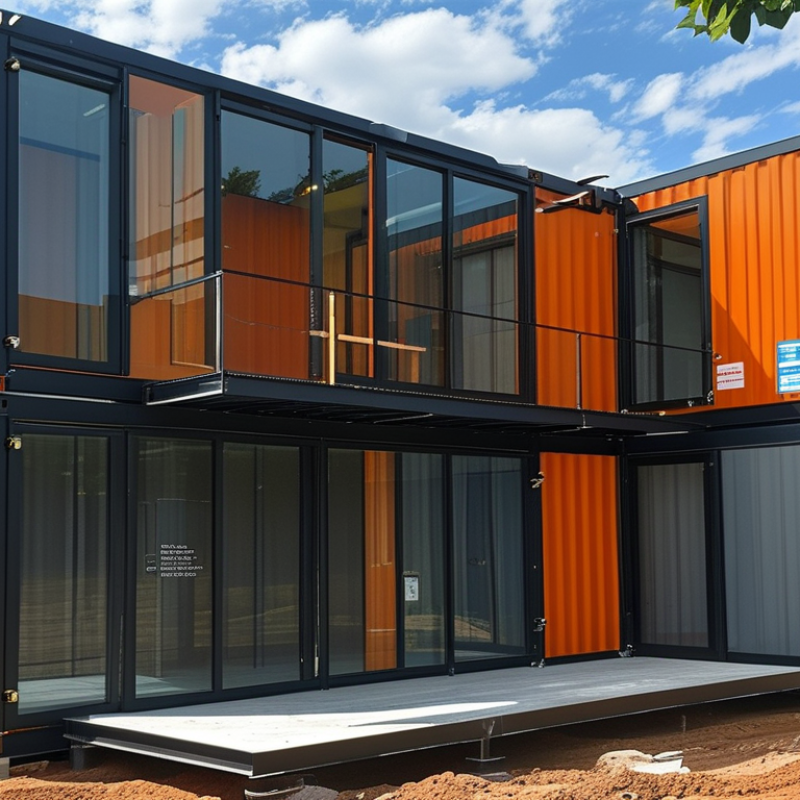
Understanding Modular Steel Buildings and Their Regulations
Modular steel buildings offer a flexible solution for various construction needs. Understanding these structures comes down to recognizing their unique characteristics and the regulations that govern them. Unlike traditional buildings, modular steel structures are factory-built and assembled on-site. This process often speeds up construction, but it also brings specific regulatory requirements.
When it comes to permits, local codes and zoning laws can vary significantly. Builders need to identify if their project requires special zoning permissions or environmental assessments. Consulting local authorities is crucial for clarity. Engaging with professionals who understand local regulations can provide valuable insights.
Consider conducting research before starting your project. It helps to identify common challenges others have faced. Connect with local builders or architects experienced in modular construction. They can help navigate the necessary permits efficiently. Keep in mind that some areas may have stricter codes than others, and failing to comply can lead to delays or fines. Being proactive ensures smoother progress and adherence to regulations.
Permits Needed for Modular Steel Buildings
Identifying the Types of Permits for Modular Construction
When considering modular steel buildings, the importance of permits cannot be overstated. Different types of permits are often required depending on the project scope. This usually includes building permits, zoning permits, and occupancy permits. Knowing your local regulations is crucial. Each municipality will have its specific rules, and sometimes, they may not be consistent.
Building permits are typically necessary for structural safety and compliance. Zoning permits ensure that the construction aligns with local land use plans. Occupancy permits are vital for the legal use of the space. Each of these permits serves a unique purpose, yet they require time and diligence to obtain. Missing one can lead to costly delays. It’s essential to engage with local authorities and, if possible, seek professional guidance early in the process to avoid pitfalls.
Navigating the complexities of permits can feel overwhelming. Records may be incomplete, or requirements unclear. Even seasoned builders face difficulties interpreting regulations. This area often requires patience and attention to detail. Furthermore, reaching out to community construction groups or forums can provide insights. Learning from others’ experiences can help clarify the process and avoid common mistakes.
Researching Local Building Codes and Zoning Laws
When considering modular steel buildings, understanding local building codes and zoning laws is crucial. Each region has specific regulations governing construction. These codes can dictate everything from the structure’s design to the materials used. A recent survey by the International Code Council reveals over 80% of construction delays are due to misunderstandings of local regulations. Hence, builders must thoroughly research these guidelines before starting any project to avoid unexpected complications.
Zoning laws also play an essential role in determining what is possible on a given piece of land. These laws define how land can be used, preventing conflicts among neighbors and ensuring safety. For instance, a plot may be zoned for residential use only, impacting any plans for commercial modular buildings. According to the American Planning Association, nearly 70% of municipalities have unique zoning laws, making it vital to check local resources. Each municipality typically provides comprehensive guides on local zoning, and consulting these resources can save time and money.
In practice, builders often find it beneficial to connect with local zoning boards or planning departments. These entities offer insights and clarifications on regulations that might not be readily available. Engaging in discussions can help identify potential issues early in the planning process. The disparity in regulations across regions highlights the importance of a personalized approach when investigating these legal frameworks.
Consulting with Professionals for Permit Assistance
When considering modular steel buildings, understanding permit requirements is essential. The construction process can be complex. Regulations can vary significantly depending on location and the type of structure. To navigate these waters, consulting with professionals is crucial. Their expertise helps streamline the process.
Industry professionals possess the knowledge to identify necessary permits. They can clarify local building codes and zoning laws. By working with architects, engineers, or construction firms, you gain insights that are often overlooked. These experts provide specific advice tailored to your project. This guidance can save time and prevent costly mistakes.
While it might seem straightforward, some modular projects encounter unexpected obstacles. Local jurisdictions may have unique requirements. Sometimes, even minor design changes can trigger the need for additional approvals. Reflecting on past projects, professionals often learn from challenges faced. Their experience can guide new clients toward smoother permit acquisition.
Preparing Documentation for Permit Applications
When preparing documentation for permit applications related to modular steel buildings, attention to detail is paramount. Start by gathering all required forms. Consult your local building authority for specific documentation needs. In many cases, you will need architectural plans, structural engineering reports, and site plans. Each document must meet local codes.
Submitting incomplete applications can lead to delays. Double-check everything before submission. Include a cover letter outlining your intentions. This sets the context for your project and helps reviewers understand your needs. Consider including a timeline for completion, which can influence approval speed.
Tips for effective applications include maintaining clear communication with local officials. Reach out with any questions you have. Don’t hesitate to ask for clarification on regulations. This proactive approach can save time. Keep a checklist of requirements handy to ensure nothing is overlooked. Planning ahead will always benefit your project in the long run.
FAQS
: Local building codes determine the design and materials used in construction. Misunderstanding these can delay projects.
Zoning laws dictate how land can be used. They help prevent conflicts and ensure safety among neighbors.
Builders should consult local resources. Municipalities usually provide guides on zoning that save time and money.
Yes, connecting with zoning boards can clarify regulations. Early discussions help identify potential issues in planning.
Professionals have the expertise to identify required permits. Their insights help avoid overlooked details in your project.
Typically, you’ll need architectural plans, engineering reports, and site plans. Each must align with local codes.
Incomplete applications can cause delays. Thoroughly check your documents before submission to avoid such issues.
Maintain clear communication with officials. Asking questions and clarifying regulations can help expedite the process.
Small mistakes in documentation can lead to significant delays. Double-checking ensures your application meets all requirements.
Include your project's intentions and a timeline. This helps reviewers understand your needs and can influence approval speed.
Conclusion
When considering modular steel buildings, it's crucial to understand the regulations surrounding them. These structures are subject to various building codes and zoning laws that can vary greatly by location. To determine what permits are needed for modular steel buildings, one must identify the specific types of permits required for modular construction in their area. This involves researching local regulations and consulting with professionals who can provide guidance and assistance.
Preparing the necessary documentation for permit applications is also an essential step in the process. By ensuring that all required information is gathered and organized, applicants can facilitate a smoother approval process. Ultimately, understanding local requirements and seeking expert help are key factors in successfully navigating the permitting landscape for modular steel buildings.

 Nova Build