How to Ensure Quality in China Modular Steel Construction?

Time:2026-10-07 Author:Sophia
0%

Quality in modular steel construction begins long before the first frame leaves the factory. It starts with verified drawings, qualified suppliers, controlled welding, and clear inspection records. Every beam should carry traceable material information. Every weld deserves visible evidence, not casual approval. Small errors can multiply during transport and site assembly.

Tom Hardiman, Executive Director of the Modular Building Institute, describes the sector clearly: “Modular construction is a process, not a product.” That principle shapes how to ensure quality in modular steel construction. Quality must be designed, measured, documented, and protected at every stage. Factory production offers stronger control than many traditional sites, but it does not remove risk. Moisture, incorrect tolerances, rushed connections, and damaged coatings can still weaken performance.

Experience matters here. A practical quality plan should combine digital model reviews, incoming material checks, welding procedure qualifications, dimensional inspections, and independent testing. Inspectors should examine bolt torque, fire protection, corrosion treatment, and connection alignment. Photographs help, but calibrated measurements provide stronger evidence. Records should follow each module from fabrication to installation.

Still, no process is flawless. A checklist may overlook an awkward joint. A confident supervisor may miss a small distortion. Teams should invite second reviews and learn from nonconforming work. That honest pause often prevents expensive repairs later. Reliable projects also align factory controls with local building codes, structural standards, and client requirements. The goal is not merely a clean factory floor. It is a safe, durable building that performs as promised after handover.
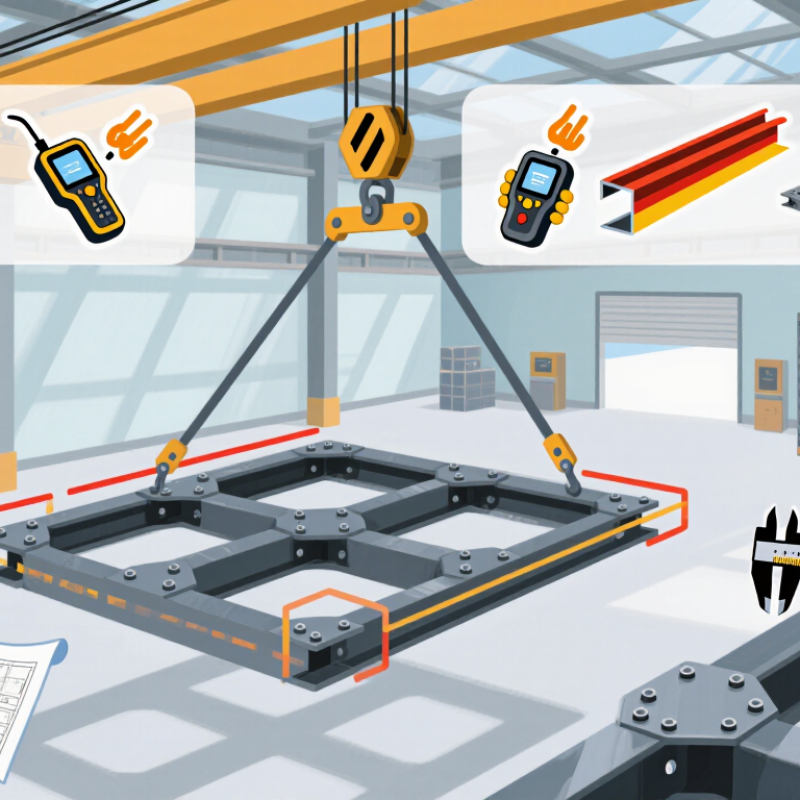
How to Ensure Quality in China Modular Steel Construction?

Defining Quality Standards for Modular Steel Construction in China

Quality in China modular steel construction begins with clear, project-specific standards. The design should identify applicable Chinese codes, including GB 50017 and GB 50205, alongside approved international requirements. These references must be listed in the contract, not hidden in technical notes. Each module needs defined limits for steel grade, weld quality, dimensional tolerance, fire protection, corrosion control, and connection performance.

Factory control should produce evidence at every stage. Inspectors can review mill certificates before cutting begins. Welding procedures should match qualified operators and recorded inspection results. Critical welds may require ultrasonic or magnetic particle testing, depending on the design. A practical inspection plan should check frame dimensions, bolt-hole positions, coating thickness, and module weight. Small errors matter. A two-millimeter opening mismatch can become a difficult site connection.

Reliable quality also depends on traceability. Each steel member should carry an identification mark linked to drawings, test records, and inspection dates. Photographs are useful, but they cannot replace signed records. Transport inspections should examine bent plates, damaged coatings, and loose temporary restraints. Site teams must verify level, plumb, bolt tension, and fire-stopping details before concealment.

A perfect checklist does not exist. Field conditions often expose gaps between factory assumptions and site reality. Therefore, quality standards should include hold points, independent inspections, and a documented process for nonconforming work. Faster production is valuable, but not when it hides uncertainty. Clear acceptance criteria protect safety, schedule, and long-term performance.

Selecting Qualified Designers, Manufacturers, and Construction Partners

Quality starts before steel reaches the site. Select a designer who understands modular load paths, transport limits, fire protection, and local codes. Ask for signed calculations, connection details, and a clear responsibility matrix. Review similar projects, not polished photographs alone. Request evidence, including revision logs, inspection records, and responses to failed assumptions. A capable designer should explain how modules resist lifting, wind, seismic movement, and repeated handling. Keep questions practical. What happens if this connection is misaligned?

The manufacturer needs controlled production, traceable materials, qualified welders, and calibrated equipment. During a factory visit, check steel certificates, cutting tolerances, weld inspections, coating thickness, and moisture protection. Sample a finished module. Do not rely on paperwork alone. Construction partners must plan lifting routes, temporary bracing, bolt sequencing, and weather delays before delivery. Confirm who records defects and who can stop unsafe work. A previous project taught us that an attractive schedule can hide weak coordination between factory and site crews. The correction cost time and money. Shared drawings and daily dimensional checks matter. No process is perfect. Allow independent inspections, worker feedback, and design changes when site conditions differ from assumptions. Reliable partners admit uncertainty early, document decisions, and repair defects before walls conceal them.

Controlling Steel Materials, Fabrication, and Modular Assembly

How to Ensure Quality in China Modular Steel Construction?

Steel quality begins before fabrication. China produced about 1.019 billion tonnes of crude steel in 2023, representing roughly 54% of global output, according to the World Steel Association. This scale makes traceability essential. Each coil, plate, and section should carry a heat number, mill certificate, and verified chemical analysis. Independent tests should confirm yield strength, tensile strength, and impact performance. Certificates alone are not enough. Sampling errors and document mismatches still occur.

Fabrication needs controlled repetition. Digital cutting files, calibrated welding machines, and fixed inspection points can reduce avoidable variation. Inspectors should check weld profiles, bolt-hole positions, coating thickness, and module diagonals before loading. Non-destructive testing is useful around primary joints. The McKinsey Global Institute reported that modular construction can reduce project schedules by 20–50% under suitable conditions. That advantage disappears when factory rework reaches the site. A small dimensional mistake can become a serious alignment problem.

Assembly quality depends on the connection between factory data and field reality. Workers need numbered components, clear lifting plans, and torque records for structural bolts. Site teams should photograph concealed connections before enclosure. Weather matters too; wet surfaces can weaken coating adhesion. The process is not flawless. I have seen well-fabricated modules fail during installation because tolerances were assumed, not measured. China’s construction quality system should therefore combine factory inspection, third-party verification, and honest feedback from the installation crew.

Inspecting Transportation, Installation, and On-Site Connections

Quality in China modular steel construction depends on control after fabrication. Transportation is the first pressure point. Before loading, inspectors should photograph welds, coatings, lifting points, and temporary braces. Each module needs a dry, secure position on the truck. Loose wrapping can trap water against freshly coated steel. That detail is often missed. Route surveys should check bridge limits, road width, turning space, and delivery hours. A damaged corner may look minor, but it can change installation tolerance.

At site, establish a level bearing surface before cranes arrive. Check foundation dimensions against approved drawings, not assumptions. Crane plans should identify wind limits, exclusion zones, and communication signals. During lifting, workers must watch sling angles and module movement. Stop when alignment feels forced. Steel can deform before anyone sees a crack. Use calibrated levels, laser tools, and torque-controlled equipment. Record bolt grades, hole alignment, tightening sequence, and inspection results. Rushing these records during bad weather remains a common weakness.

On-site connections deserve the same attention as factory welds. Clean contact surfaces before bolting or welding. Confirm bolt length, washer placement, edge distance, and specified torque. For welded joints, inspect fit-up, preheating, penetration, and coating repair. Independent checks are valuable when access is restricted. Do not hide a poor connection beneath fireproofing or cladding. If a measurement conflicts with the drawings, pause and escalate it. A small deviation may be acceptable; an unexplained one is not. Lessons from each delivery should improve the next lifting plan.

Managing Compliance, Testing, Documentation, and Long-Term Performance

Quality in modular steel construction begins before the first frame leaves the factory. The project team should map local building codes, approved drawings, material grades, weld procedures, and inspection points. Each requirement needs an owner and a record. Site conditions may differ from factory assumptions. That gap deserves attention.

Testing should reflect real service conditions, not factory convenience. Inspect steel certificates, weld quality, bolt torque, coating thickness, fire protection, and dimensional tolerances. Use calibrated equipment and independent checks where risk is high. Record sample locations, test dates, results, and corrective actions. Small deviations can become costly alignment problems during installation. A rushed inspection may satisfy paperwork while missing a practical issue.

Documentation forms the project’s technical memory. Keep revision-controlled drawings, inspection reports, delivery records, nonconformance logs, and repair approvals together. Photos should show scale, location, and date. Digital files need clear names and secure backups. Teams sometimes accept incomplete records when schedules tighten. That weakness requires honest review. Long-term performance also needs planned maintenance after handover. Provide access details, corrosion inspection intervals, drainage checks, and replacement guidance. Monitor connections and exposed coatings after severe weather or unusual loading. Service records should influence future designs.

How to Ensure Quality in China Modular Steel Construction? - Managing Compliance, Testing, Documentation, and Long-Term Performance

Quality Dimension Key Requirement or Control Relevant Chinese Reference Typical Verification Method Required Evidence Recommended Timing Quality Outcome
Design Basis and Code Compliance Confirm design loads, seismic category, fire rating, serviceability limits, connection details, transport conditions, and site interface requirements before fabrication. GB 50017; GB 50009; GB 50011; GB 50016 Independent design review, structural calculations, BIM or drawing coordination, and formal approval of design changes. Approved drawings, calculation package, design review comments, revision register, and change approvals. Before procurement and before production release. Clear design responsibility and reduced risk of non-compliant fabrication or site modification.
Steel Material Verification Verify steel grade, thickness, heat number, dimensions, surface condition, and mechanical properties against the approved material specification. GB/T 700; GB/T 1591; GB/T 709 Review material certificates, check identification marks, measure thickness and dimensions, and perform witness or third-party testing when specified. Mill certificates, incoming inspection records, heat-number traceability log, and non-conformance reports if applicable. For every material batch before cutting. Verified material properties and full traceability from raw steel to installed module.
Fabrication and Dimensional Accuracy Control cutting, drilling, fit-up, frame squareness, member alignment, opening locations, and module interface dimensions. GB 50205; approved fabrication drawings Use calibrated measuring equipment, inspection templates, dimensional check sheets, and hold points before closing inaccessible areas. Inspection and test plan, dimensional reports, calibration certificates, photographs, and approved deviation records. After major fabrication stages and before shipment. Reliable module fit-up, faster installation, and fewer site alterations.
Welding Quality Use qualified welding procedures and qualified welders; control preheat, consumable storage, weld sequence, and visual acceptance. GB 50661; GB/T 11345; project welding specification Visual testing and, where required by design or risk level, ultrasonic, radiographic, magnetic-particle, or penetrant testing. Welding procedure specifications, welder qualifications, weld maps, inspection reports, repair records, and consumable logs. During fabrication and before coating or concealment. Consistent weld performance and reduced risk of fatigue, cracking, or connection failure.
Bolted Connections Confirm bolt grade, diameter, hole quality, washer arrangement, tightening method, and connection installation sequence. GB 50205; approved connection drawings Check batch certificates, inspect installed components, verify calibrated torque or tension equipment, and record tightening results. Bolt certificates, installation checklists, calibration records, torque or tension logs, and photographic records. At factory assembly, site installation, and final inspection. Stable load transfer and reduced risk of loosening or installation error.
Corrosion Protection Prepare steel surfaces correctly and control coating type, dry-film thickness, curing, edge treatment, and damage repair after transport. GB/T 8923.1; GB/T 1764; project coating specification Inspect surface cleanliness, environmental conditions, wet or dry film thickness, adhesion where specified, and holiday or visual defects. Surface-preparation records, paint batch data, environmental logs, coating inspection reports, and repair records. Before coating, between coats, before shipment, and after site touch-up. Improved durability and lower long-term maintenance exposure.
Fire and Building Performance Verify fire-resistance design, protection of steel members, compartmentation, penetration sealing, insulation continuity, and approved building materials. GB 50016; GB 51249; applicable material and fire-test standards Review fire calculations and test reports; inspect installed protection thickness, joints, penetrations, and concealed construction before closure. Fire-test documentation, material certificates, installation checklists, photographs, and concealed-work acceptance records. During design, factory production, site installation, and before concealment. Maintained fire performance and fewer compliance gaps at handover.
Factory Acceptance Testing Use documented inspection and test plans with defined witness points, hold points, acceptance criteria, and responsibilities. GB 50205; project quality plan; approved inspection and test plan Conduct staged inspections, sample testing, document review, and final release inspection before loading. Signed inspection and test plan, release note, punch list, corrective-action records, and final inspection dossier. Before dispatch of each module or shipment batch. Defects are identified and corrected in the factory rather than on site.
Transport and Site Installation Protect lifting points, temporary bracing, finished surfaces, connection interfaces, and module geometry during loading, transport, lifting, and placement. Approved lifting plan; temporary works design; installation method statement Pre-lift checks, lifting inspection, survey of installed modules, connection checks, and verification of tolerances before final fixing. Packing list, lifting plan, delivery inspection, installation survey, connection records, and site non-conformance log. At loading, delivery, lifting, positioning, and final assembly. Reduced transport damage, safe erection, and accurate module alignment.
Documentation and Traceability Link each module to its drawings, materials, welds, inspections, coatings, repairs, shipping records, and installation location. Project quality management plan; GB 50205 documentation requirements Perform document audits, verify revision control, reconcile serial numbers, and check that records are complete before handover. Manufacturing record book, as-built drawings, material certificates, test reports, inspection records, and operation manuals. Continuously, with formal review before handover. Fast verification of compliance, easier audits, and better future maintenance decisions.
Non-Conformance and Corrective Action Identify, segregate, assess, repair, re-inspect, and formally close defects or deviations before affected work proceeds. Project quality plan; approved repair procedures; GB 50205 Use root-cause analysis, corrective-action tracking, re-inspection, and approval by the responsible quality authority. Non-conformance report, technical disposition, repair method, re-test results, and closure approval. Whenever a deviation or failed inspection is identified. Controlled resolution of defects without undocumented field changes.
Long-Term Performance and Maintenance Inspect corrosion-prone areas, drainage paths, seals, fire protection, exposed connections, movement joints, and signs of deformation or water ingress. Operation and maintenance manual; design service-life requirements; applicable building maintenance rules Establish baseline condition records, perform scheduled visual inspections, measure defects, and update the maintenance register. Handover manual, inspection schedule, condition photographs, repair history, coating records, and updated as-built information. At handover and at intervals defined by the owner, environment, and risk assessment. Early detection of deterioration and preservation of structural, fire, and envelope performance.

Note: Applicable acceptance criteria, inspection frequency, sampling rates, and testing scope should be confirmed against the approved project design, contract documents, local authority requirements, and the current editions of the referenced standards.

FAQS

What should a quality standard cover in modular steel construction?

It should define steel grade, weld quality, dimensional tolerance, fire protection, corrosion control, and connection performance. Applicable national codes and approved international requirements belong in the contract. Hidden requirements create confusion.

How can steel materials be traced before fabrication?

Each plate, coil, and section should carry a heat number and mill certificate. Independent testing should verify chemical composition, yield strength, tensile strength, and impact performance. Documents can still contain mismatches.

What factory inspections are important before modules leave production?

Inspectors should check frame dimensions, bolt-hole positions, weld profiles, coating thickness, module diagonals, and weight. Critical welds may need ultrasonic or magnetic particle testing. Small errors grow.

Why are dimensional tolerances important for modular steel buildings?

A two-millimeter opening mismatch can make a site connection difficult. Factory teams should measure, rather than assume, module dimensions and alignment. Perfect repetition is unlikely.

What records should support quality control?

Every steel member should link to drawings, test results, inspection dates, and identification marks. Photographs help show conditions, but signed records remain necessary. A picture is not proof alone.

How should modules be inspected during transportation?

Inspectors should photograph coatings, welds, lifting points, and temporary braces before loading. Modules need dry, secure positions on trucks. Route surveys should check bridges, turning space, road width, and delivery times.

What must be checked before lifting and installing modules?

Confirm foundation dimensions and bearing levels against approved drawings. The crane plan should include wind limits, exclusion zones, sling angles, and communication signals. Stop when alignment feels forced.

How can teams control on-site structural connections?

Check bolt grade, washer placement, hole alignment, edge distance, tightening sequence, and specified torque. For welded joints, inspect fit-up, preheating, penetration, and coating repairs. Do not conceal uncertain connections.

What should happen when work does not meet the requirements?

The team should record the nonconformance, pause affected work, and obtain a documented decision. Independent inspection can help when access becomes restricted. Fast work is not always good work.

Conclusion

Ensuring quality in China modular steel construction requires a clear, project-specific quality system from design through long-term operation. The process begins by defining structural, dimensional, fire-safety, durability, and performance standards that align with project requirements and applicable regulations. Qualified designers, manufacturers, fabricators, and installation partners should be selected based on proven technical capability, documented experience, production controls, and effective communication. A practical answer to how to ensure quality in modular steel construction is to control every stage, including steel material certification, welding, cutting, coating, factory assembly, dimensional checks, and quality inspections.

Quality must also be maintained during transportation, lifting, installation, and on-site connection work. Detailed inspection plans, testing records, nonconformance procedures, and traceable documentation help verify compliance and support timely correction. Before handover, the project should undergo comprehensive testing, safety checks, and performance reviews. Regular maintenance, monitoring, and clear operational records are essential for preserving structural reliability, service life, and overall value.

Sophia

Sophia

Sophia is a dedicated marketing professional with an exceptional depth of knowledge about her company's products and services. With a keen understanding of market trends and customer needs, she crafts insightful blog posts that not only inform but also engage readers, enriching the company’s online......