Understanding modular steel structure construction is vital in today's construction landscape. This innovative approach offers speed, efficiency, and sustainability. According to a report by Transparency Market Research, the global modular construction market is expected to reach $157 billion by 2027, signaling a growing trend in construction practices. As industries seek to optimize resources, understanding what is modular steel structure construction becomes essential for professionals.
This method involves prefabricating steel components off-site before assembly. It reduces waste and promotes a quicker build time. The National Institute of Standards and Technology reported that modular construction can accelerate project timelines by up to 50%. However, practitioners must be aware of potential challenges, such as design limitations and transportation logistics. Recognizing these factors can lead to more informed decision-making and better project outcomes.
In this context, the tips provided will enhance your grasp of modular steel structures. Each tip offers insights drawn from industry experts and case studies. Being aware of both advantages and potential downsides is crucial for effective application in various construction projects.
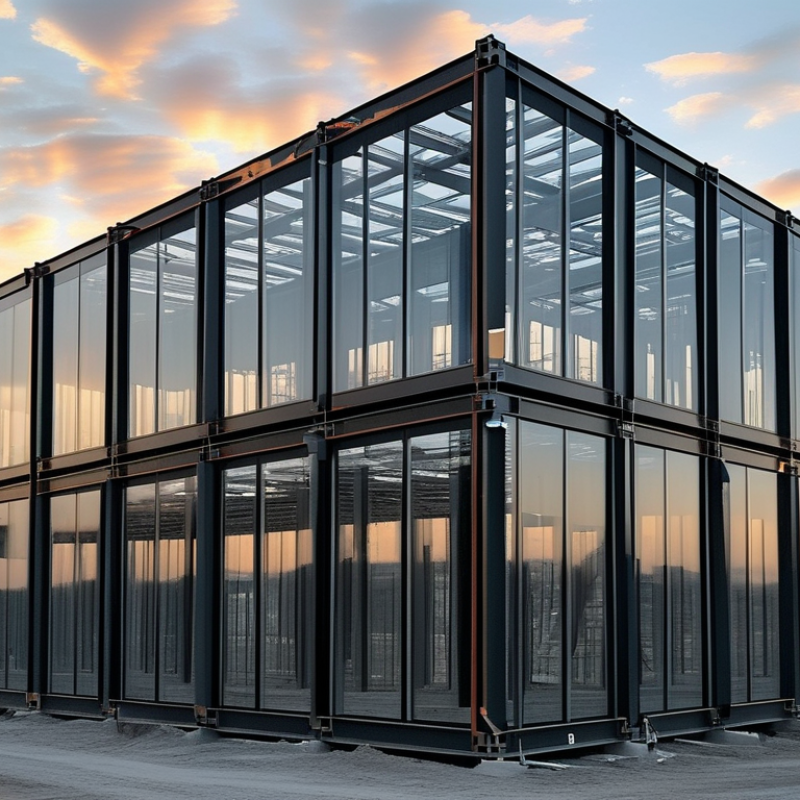
Modular steel structure construction has gained popularity for its efficiency and flexibility. It involves building structures off-site in a controlled environment, allowing for precise manufacturing. This method reduces the time needed for on-site construction. It also minimizes waste, as components can be fabricated to exact specifications. Transporting these modules to the site is often simpler than traditional construction materials.
Understanding the basics begins with recognizing the benefits of modular designs. These structures are usually lighter than traditional ones, which can simplify foundation requirements. However, coordinating the transportation and installation of large modules can pose challenges. Additionally, ensuring alignment and connection integrity during assembly is crucial. There’s a learning curve for workers unfamiliar with modular techniques. Embracing these new methods requires training and a shift in mindset.
Modular steel construction may face skepticism. Some critics argue that it lacks the character of traditional buildings. Others worry about design limitations. It's important to navigate these perceptions while highlighting the benefits. As the industry evolves, clear communication about the advantages of modular designs can help in building trust. Understanding these fundamentals will equip stakeholders for successful implementation.
Modular steel structures have revolutionized construction projects. They blend efficiency, durability, and flexibility. This construction method allows for rapid assembly, minimizing on-site labor and reducing timeframes. The components are built off-site in controlled environments. This ensures high-quality standards and fewer delays due to weather conditions.
One of the key advantages is sustainability. Modular steel can often be reused, decreasing environmental impact. Additionally, off-site construction leads to decreased waste. The speed of installation is another significant benefit. Projects can move forward quickly, often resulting in cost savings. Enhanced safety is also crucial. Since most work occurs in a controlled setting, the likelihood of on-site accidents lowers considerably.
However, there are challenges. Some constructors may lack experience with modular techniques. Coordination between teams is vital for success. Miscommunication can lead to project delays. Understanding local regulations and zoning requirements is essential. These factors can complicate the initial planning stages. Overall, modular steel structures present numerous advantages, but careful consideration and planning are vital for optimal results.
Modular steel structures are increasingly popular due to their efficiency and durability. Understanding the fundamental components helps in grasping the building process. The primary elements include steel frames, modular units, and connections. Each plays a vital role in the overall integrity of the structure.
When working with modular designs, one essential tip is to prioritize pre-fabrication. This practice streamlines construction, reducing waste and labor costs. Additionally, the steel frame must be properly designed to handle load requirements. Think about how weight is distributed across units. Another tip is to choose high-quality connections. They ensure structural stability and longevity.
Consider the benefits of using modular steel components. They are prefabricated and can be assembled quickly. However, challenges may arise regarding transport and site assembly. Careful planning is crucial to overcome these issues. Ensure that each module fits perfectly to maintain structural integrity. Understanding these components is key to successful modular construction.
Modular steel construction offers a flexible approach to building. Proper design and planning are crucial. Research shows that 70% of construction time can be saved using modular methods. This efficiency comes from pre-fabrication off-site, which avoids delays related to weather and site conditions.
To achieve successful modular steel projects, clarity of vision is key. Engaging all stakeholders early ensures everyone is aligned. This minimizes the risk of costly design changes later. Providing detailed specifications helps in reducing miscommunication. Informative documentation streamlines the approval process, allowing for faster project initiation.
Another tip involves selecting the right materials. Consider steel's durability and recyclability, which are essential for sustainability. Data indicates that 50% of industry leaders prioritize eco-friendly materials in their construction projects. Be prepared for challenges, such as variations in local building codes. Staying informed about regulations can avoid project setbacks. Understanding modular design's intricacies will ultimately lead to improved outcomes and efficiency in construction.
This bar chart represents the importance rating of various aspects of modular steel structure construction, highlighting the key factors that influence design and planning decisions.
Modular steel construction offers numerous advantages, but it also presents unique challenges. One significant issue is onsite assembly. According to industry reports, nearly 30% of delays in modular projects stem from misalignment during assembly. Addressing this requires careful planning and precise measurements before construction begins.
Another common challenge is design flexibility. Modular designs often aim for efficiency, but rigid frameworks can limit creativity. A study by the Modular Building Institute revealed that 40% of architects reported constraints due to standard modular sizes. To counteract this, teams can incorporate adaptable design strategies. Collaboration with engineers and architects at the project’s inception can lead to innovative solutions.
Furthermore, supply chain disruptions frequently impact modular construction timelines. Data indicates that 25% of projects face delays due to material shortages. Building strong relationships with suppliers and diversifying sourcing options can mitigate this risk. Additionally, maintaining a buffer stock of critical materials may enhance project reliability. These approaches can significantly improve the overall success of modular steel construction projects.
: They offer efficiency, durability, and flexibility. Assembly is quick, and timeframes are reduced significantly.
Components are built in controlled environments. This reduces delays and ensures high-quality standards.
They can often be reused, which decreases waste. This leads to a lower overall environmental impact.
Effective coordination between teams is vital. Miscommunication can lead to delays in projects.
Prioritize pre-fabrication and select quality connections. These factors ensure structural stability and cost savings.
It's crucial to consider shipping and site assembly issues. Careful planning can help mitigate these challenges.
Alignment among all parties reduces the risk of costly design changes later in the process.
Staying informed helps avoid setbacks. Variations in building codes can complicate the planning stage.
Selecting durable and recyclable materials is essential. Many industry leaders prioritize eco-friendly options today.
Recognizing the need for skilled workers and the complexities of coordination can help improve future projects.
Modular steel structure construction is an innovative approach that utilizes prefabricated steel components to create flexible and efficient building designs. This method has gained popularity due to its numerous advantages, including reduced construction time, cost efficiency, and improved sustainability. Understanding the basics of this construction type involves recognizing its key components, such as modular frames and connections, which are essential for ensuring structural integrity and adaptability.
In addition, effective design and planning are crucial for the success of modular steel projects. Adhering to best practices can help address common challenges, such as site constraints and logistical issues. By implementing strategic solutions, builders can optimize the modular construction process, leading to faster project completion and enhanced performance. Overall, what is modular steel structure construction represents a significant shift towards more efficient building methodologies in the construction industry.

Nova Build