7 Best Ways Modular Construction Improves Project Timelines?

Time:2026-09-27 Author:Isabella
0%

Construction schedules often slip when weather, labor shortages, or late deliveries disrupt work on site. Modular construction changes part of that process. Building sections are made in a factory while crews prepare the foundation, so some tasks can happen at the same time. Picture wall panels, wiring, and plumbing assembled under a roof while excavation continues nearby. That overlap can shorten the path to completion. It does not remove every delay.

So, how does modular construction improve project timelines in practice? The answer depends on coordination, design readiness, transport, and site conditions. Factory production can offer steadier workflows and repeatable quality checks, but only when drawings and specifications are settled early. A late design change may require revised modules, new approvals, or costly rework. Real projects are rarely perfect.

This guide examines seven practical ways modular methods can help teams protect schedules. It looks at parallel site and factory work, reduced exposure to poor weather, standardized production, and earlier procurement planning. It also considers faster on-site assembly, fewer interruptions from crowded work areas, and clearer quality-control checkpoints. Each benefit has limits. Transportation routes may restrict module size, crane availability can shape installation dates, and poor coordination can erase expected time savings. The aim is not to promise a fixed reduction in project duration. Instead, these points help owners, architects, and contractors assess where modular construction fits, what needs attention, and which schedule assumptions deserve a second look. A careful plan matters.
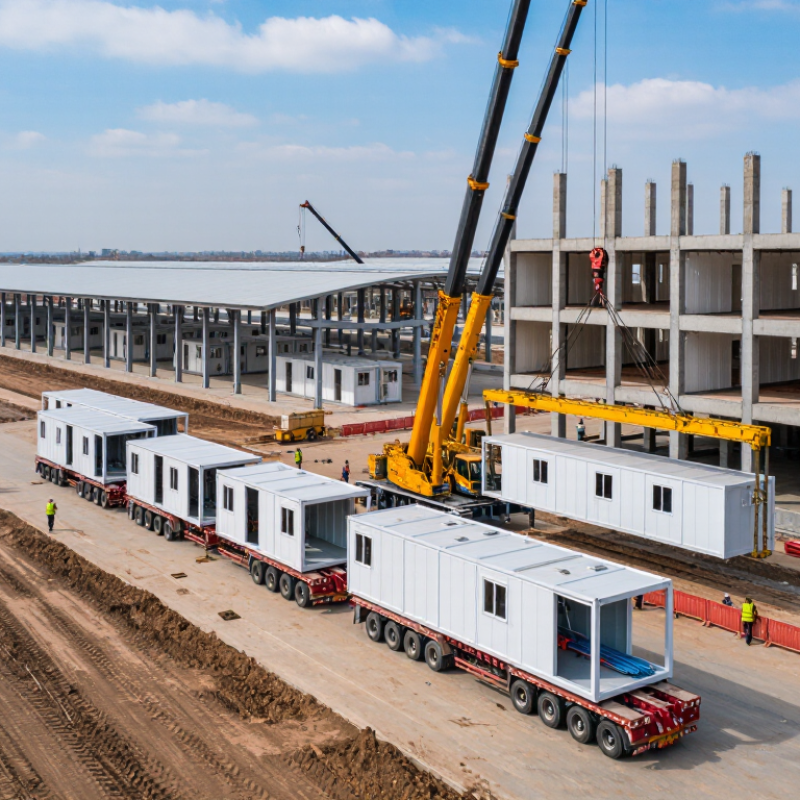
7 Best Ways Modular Construction Improves Project Timelines?

How Modular Construction Changes the Project Timeline

Modular construction changes the project timeline by moving some work off-site. While crews prepare foundations, a factory can build wall panels, bathrooms, or whole room modules. This overlap can shorten the critical path. McKinsey’s 2019 report, Modular Construction: From Projects to Products, estimates that modular methods can reduce construction time by 20 to 50 percent. That is a potential range, not a promise for every project.

The calendar shifts earlier. Teams must coordinate design, structure, building services, and transport before factory production begins. A late change to a pipe location may affect a finished module, not just a drawing. Meanwhile, site work can continue, but crane access and delivery slots need careful planning. The trade-off is real. A missed shipment can leave crews waiting beside an almost-ready foundation.

The timeline benefit is strongest when decisions are made early and repeated layouts reduce uncertainty. McKinsey also notes potential cost savings of up to 20 percent, though schedule and cost results depend on project conditions. Factory work offers steadier conditions, but inspections and connections still take time on site. That part is easy to underestimate. Modular construction does not remove delays; it moves many decisions forward, where they must be resolved sooner.

7 Best Ways Modular Construction Improves Project Timelines

How Modular Construction Changes the Project Timeline

What the chart shows: Industry reports commonly cite potential schedule reductions of about 20–50% compared with conventional construction. Results vary by project, design, location, and delivery method; the range is not a guaranteed outcome.

Seven timeline advantages: parallel off-site fabrication and site work; repeatable factory processes; reduced weather exposure; fewer on-site trades and handoffs; earlier procurement; standardized components; and faster enclosure and installation.

Source context: commonly reported industry estimates for modular construction; schedule savings are project-dependent.

Parallel Off-Site Fabrication and On-Site Preparation

Parallel off-site fabrication and on-site preparation can shorten the critical path by turning one long sequence into overlapping work. While crews pour foundations and install utility connections, a factory can build room modules, route wiring, and fit interior finishes under controlled conditions. McKinsey & Company’s 2019 report, Modular construction: From projects to products, estimated that modular methods could reduce project timelines by 20 to 50 percent. That range is not a promise; design maturity, transport distance, and site access all affect the result.

The overlap needs careful coordination. A foundation survey should confirm dimensions before module production begins. Meanwhile, site teams can prepare crane pads, confirm delivery routes, and schedule utility tie-ins. A misplaced sleeve or late design change can leave a finished module waiting in storage. It happens. Teams should freeze key dimensions early and use shared, regularly updated drawings to track interfaces. Even then, weather, inspections, and road restrictions may disrupt the handoff. The schedule gains come from resolving those constraints before trucks arrive, not simply moving work indoors. Builders should compare planned and actual dates for fabrication, delivery, and installation; small delays at each handoff can quietly erase the advantage.

7 Best Ways Modular Construction Improves Project Timelines? - Parallel Off-Site Fabrication and On-Site Preparation

Schedule effects depend on project design, approvals, site conditions, factory capacity, transport, and installation planning. The methods below describe ways to coordinate work; they do not guarantee a specific time saving.

No. Timeline Improvement Method Off-Site Work On-Site Work in Parallel Key Scheduling Requirement
1 Start site preparation while modules are fabricated Build modules in a controlled factory setting after design and release requirements are met. Complete enabling works, foundations, drainage, and utility routes where permitted. Coordinate design approvals, foundation tolerances, and module connection points before both workstreams advance.
2 Freeze module designs and interfaces early Use coordinated drawings to procure materials and begin repeatable fabrication. Prepare the site and verify access, crane locations, and connection zones against the same design information. Manage design changes through a controlled process to reduce rework in the factory and on site.
3 Standardize repeatable module types Repeat established layouts and production steps for similar units. Prepare consistent foundations, service connections, and installation sequences. Confirm that standardization fits the project’s building code, site constraints, and functional requirements.
4 Coordinate procurement with the production schedule Order long-lead components early and align deliveries with factory work packages. Schedule site materials and subcontractors around planned module arrival and installation. Track supplier lead times and identify acceptable alternatives before a delayed item affects the critical path.
5 Complete inspections and quality checks during fabrication Inspect work at defined production stages, including concealed services before they are enclosed. Prepare inspection records and site interfaces for receiving and connecting modules. Agree on inspection responsibilities and documentation requirements with the relevant authorities and project team.
6 Plan transport and installation as one sequence Package and release modules in the order required for delivery and erection. Prepare access routes, lifting areas, traffic controls, and crane operations for the same sequence. Verify transport permits, route restrictions, weather contingencies, and lifting plans before dispatch.
7 Use a shared schedule with clear handoffs Report fabrication progress, inspection status, and delivery readiness against agreed milestones. Report site readiness, completed interfaces, and installation capacity against those milestones. Assign owners and update dependencies regularly so a delay in one workstream is visible to the other.

Standardized Design and Repeatable Manufacturing

Standardized design turns repeated decisions into a schedule advantage. When room layouts, service routes, and connection details stay consistent, teams can prepare drawings and approvals once, then reuse them across multiple units. In the factory, crews repeat the same assembly sequence instead of solving each detail from scratch. Wall panels, bathroom pods, or service racks can be built while foundations and access roads are prepared on site. That overlap can shorten the critical path. It also makes delays easier to spot: a late component affects a known sequence, not an improvised one.

McKinsey’s 2019 report, Modular construction: From projects to products, estimated that modular methods could shorten construction schedules by 20 to 50 percent. That is potential, not a guaranteed result. Repetition helps only when designs are stable and components fit site conditions. A late change to a repeated connection can disrupt many units at once. Small tolerances matter. Project teams need early coordination between designers, factory staff, transport planners, and site crews. The weak point is often the handoff, not the production line. Standardization can feel restrictive, too; forcing an unsuitable layout into a template may create rework instead of speed.

Weather Protection, Quality Control, and Fewer Delays

Modular construction protects much of the work from rain, wind, and freezing temperatures. While crews prepare the site, workers can assemble wall panels or room-sized modules indoors. Rain stays outside. Dry materials are less likely to warp, and finishes are less exposed to moisture before installation. That can prevent weather-related repairs from consuming days later. Factory teams can also inspect electrical connections, plumbing runs, and wall dimensions under steady lighting. Small defects are easier to spot. Still, factory conditions do not guarantee perfect work; inspections and clear acceptance checks remain essential.

Off-site production allows foundation work and module assembly to happen at the same time. Once foundations are ready, a crane can place completed sections quickly, reducing the time buildings remain open to changing weather. Fewer trades may need to work in the same tight space, which can ease coordination and keep tasks moving. The process is not flawless. A late foundation, road restriction, or delivery mismatch can stall installation, so measurements and transport plans need close attention. Site teams should also check joints and service connections after placement, where factory precision meets real-world conditions.

Coordinated Delivery, Rapid Assembly, and Earlier Occupancy

Coordinated delivery is what makes modular construction more than a faster building method. Architects, engineers, factory teams, and site crews must agree on dimensions, openings, lifting points, and service routes before production begins. While modules are built indoors, crews can prepare foundations and utility connections on site. That overlap can shorten the critical path. Small errors travel.

A delivery schedule tied to the installation sequence helps avoid crowded laydown areas and idle crane time. For example, room modules can arrive in the order they will be lifted, then be secured and connected with fewer prolonged site operations. But this relies on accurate transport planning and clear access. A narrow street or unfinished foundation can disrupt the rhythm. That’s the less tidy part.

Earlier occupancy becomes possible when enclosure, fit-out, and site work progress in parallel. A completed corridor or room can be inspected while crews finish nearby connections, subject to the project’s quality checks. Commissioning still takes time: alarms, ventilation, plumbing, and doors all need practical testing. A faster shell is not a finished building. Schedule gains are most credible when teams track delivery dates, inspection findings, and unresolved interface issues together.

FAQS

How does standardized design help construction schedules?

Teams can reuse drawings, approval details, and assembly steps across similar units. Wall panels or bathroom pods can be built while foundations are prepared. The overlap can save time.

How much time can modular construction potentially save?

A 2019 report estimated schedule reductions of 20 to 50 percent. That is potential, not a promise. Stable designs and suitable site conditions matter.

How can factory production reduce weather-related delays?

Indoor assembly protects materials and finishes from rain, wind, and freezing temperatures. Dry wall panels are less likely to warp. Rain stays outside.

Does factory production guarantee perfect quality?

No. Steady lighting can help workers spot electrical, plumbing, and dimension issues. Inspections and clear acceptance checks are still essential.

What should teams coordinate before production begins?

Designers, factory staff, transport planners, and site crews need to agree on dimensions, openings, lifting points, and service routes. Small errors travel.

What can disrupt module delivery and installation?

A late foundation, narrow road, or delivery mismatch can stall a crane and crew. Delivery order should match the lifting sequence. That part is easy to underestimate.

Can modular construction allow earlier occupancy?

It can, when site work, enclosure, and fit-out progress in parallel. But alarms, ventilation, plumbing, and doors still need testing. A faster shell is not a finished building.

What is one drawback of standardization?

A repeated layout may not suit every site or room. Forcing a poor fit can create rework, while a late connection change may affect many units. Speed is not always the right trade.

Conclusion

Modular construction improves project timelines by moving much of the building process into a controlled off-site environment while site preparation happens at the same time. Foundations, utilities, and access routes can be prepared on-site as building sections are manufactured elsewhere, reducing the time spent waiting for one phase to finish before the next begins. Standardized designs and repeatable production methods also make planning, fabrication, and assembly more predictable, helping teams coordinate work and identify potential issues earlier.

If you are asking how does modular construction improve project timelines, weather protection and consistent quality control are key factors. Indoor fabrication limits weather-related interruptions and can reduce defects that might otherwise require rework. Once the site and modules are ready, coordinated delivery and rapid assembly help bring the structure together efficiently. This streamlined sequence can shorten the overall schedule and make earlier occupancy possible, while still requiring careful design, logistics, and communication among project teams.

Isabella

Isabella

Isabella is a dedicated marketing professional with a sharp focus on driving brand growth and engagement through strategic content creation. With an extensive background in digital marketing, she combines her passion for storytelling with her keen understanding of industry trends to deliver......