Are Modular Steel Buildings More Affordable Than Traditional Ones?

Time:2026-06-26 Author:Liam
0%

In recent years, the construction industry has seen a shift towards alternative building methods. One such method gaining traction is modular steel construction. This approach raises an essential question: are modular steel buildings cheaper than traditional buildings? Many industry experts argue that modular steel buildings offer significant cost savings. These structures are manufactured in factories, which can lead to reduced waste and increased efficiency.

The ability to complete construction quicker is another factor. Time is money, especially in commercial projects. However, the initial investment might still discourage some buyers. It is vital to consider long-term benefits, such as durability and lower maintenance costs. Additionally, the versatility of modular designs could cater to a range of needs, potentially enhancing overall value.

While the affordability of modular steel buildings appears promising, potential buyers should evaluate all aspects. Each project brings unique challenges, and financial benefits may vary. Engaging with professionals can provide clarity on options. Ultimately, understanding the comparison between modular steel and traditional buildings requires a careful examination of both immediate expenses and future savings.
Are Modular Steel Buildings More Affordable Than Traditional Ones?

Overview of Modular Steel Buildings

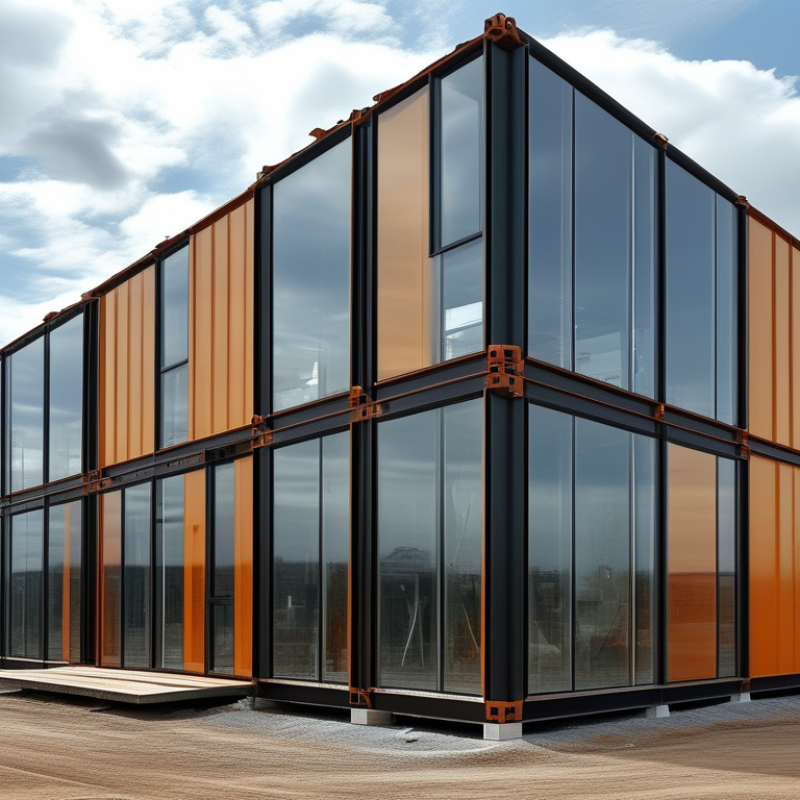
Modular steel buildings are gaining popularity in the construction industry. They are factory-built structures, designed to meet various needs. These buildings can be assembled quickly on-site, reducing overall construction time. This efficiency can lead to cost savings, making them an attractive alternative to traditional buildings.

In addition to faster construction, modular steel buildings offer flexibility in design. Many architects appreciate their adaptability. They can be modified to fit different purposes, from offices to storage facilities. However, this versatility requires careful planning. Not all designs work seamlessly within the modular framework. Balancing creativity with structural integrity is key.

The use of steel contributes to the durability of these buildings. Steel resists decay and pests, ensuring a longer lifespan. However, the initial cost of materials may be higher than some traditional options. It's essential to weigh long-term value against immediate expenses. Buyers should consider their specific needs and local factors, as this can influence overall affordability.

Cost Comparison of Modular Steel Buildings vs Traditional Buildings

Cost Comparison: Modular vs. Traditional Construction

When comparing modular steel buildings to traditional construction, costs often emerge as a major factor. According to a recent report by the Modular Building Institute, modular construction can reduce costs by as much as 20-30%. This reduction is largely due to shorter build times and lower labor expenses. For example, modular units can be constructed in a factory and transported to the site, which minimizes on-site labor and delays.

In addition to direct costs, maintenance expenses play a crucial role. A study from the National Association of Home Builders highlights that modular buildings often require less maintenance. This efficiency leads to long-term savings. However, initial investment in land and site preparation can offset some of these savings. The modular approach may not suit every project, particularly those needing extensive site customization.

While modular steel buildings appear more affordable on the surface, various factors must be weighed. Location, design requirements, and zoning regulations can impact overall costs. Careful analysis is essential. Decision-makers should consider both upfront and ongoing costs for an accurate comparison. Ultimately, each project may have unique financial implications.

Factors Influencing the Cost of Modular Buildings

The cost of modular steel buildings is influenced by various factors, notably materials, design, and labor. According to the National Institute of Building Sciences, the total construction costs for modular buildings can be 10-20% lower than traditional construction methods. One key aspect is the higher degree of prefabrication. Many components are built off-site, which reduces labor costs and construction time significantly.

Another critical factor is the economies of scale in modular construction. When manufacturers produce standardized modules in large quantities, costs drop due to streamlined processes. Additionally, the time saved translates into a reduced holding cost for the developer. However, the initial cost of materials for steel can be higher than wood, which may impact budget considerations.

Site preparation and transportation also play a role. While modular buildings are often quicker to erect, they require thoughtful planning for logistics. Delays in site readiness can negate cost savings. Resources from industry studies like those published by the Modular Building Institute highlight that potential site challenges can create unforeseen expenses, prompting a need for careful evaluation. Understanding these factors can lead to a more informed decision when considering modular versus traditional buildings.

Are Modular Steel Buildings More Affordable Than Traditional Ones? - Factors Influencing the Cost of Modular Buildings

Cost Factor Modular Steel Buildings Traditional Buildings
Material Cost $20/sq.ft. $30/sq.ft.
Construction Time 3-6 months 6-12 months
Labor Costs $10/sq.ft. $15/sq.ft.
Transportation Costs $5/sq.ft. N/A
Energy Efficiency High Medium
Customization Options Moderate High

Long-Term Financial Benefits of Modular Steel Structures

The financial advantages of modular steel buildings are significant over traditional structures. Research indicates that modular construction can reduce costs by 10-20% compared to conventional methods. This is largely attributed to decreased labor costs and shorter construction timelines. In fact, modular projects can be completed up to 50% faster, allowing owners to realize returns sooner.

Long-term savings further enhance the affordability of modular steel buildings. They typically require less maintenance, leading to lower operational costs. A study by the Modular Building Institute highlights that owners can expect to save approximately 15-30% on energy efficiency costs due to the superior insulation properties of steel. This makes them not only economically sound but also environmentally conscious.

Tip: When considering modular buildings, evaluate the potential resale value. While they provide immediate savings, their market acceptance varies.
Be cautious of design limitations. Customization can lead to higher costs. Always weigh the initial investment against long-term benefits. Keeping an eye on your choices ensures you maximize value throughout the lifespan of the building.

Environmental Impact and Sustainability of Modular Designs

Modular steel buildings are gaining popularity for their environmental benefits. These structures often produce less waste compared to traditional construction methods. A report by the Modular Building Institute highlights that modular construction can reduce site waste by up to 90%. This significant reduction contributes to less landfill clutter and a smaller carbon footprint.

Sustainability in modular designs also comes from efficient energy use. Studies show that modular buildings can lead to a 15-30% reduction in energy consumption. The use of advanced insulation materials and energy-efficient systems plays a crucial role. However, there are concerns about the sourcing of raw materials. If not managed properly, the extraction of steel can result in significant environmental damage.

Furthermore, the life cycle of modular buildings is worth considering. Many structures are designed for durability, lasting decades with minimal maintenance. On the flip side, some argue that not all modular designs prioritize sustainability. Certain designs may overlook renewable energy integration. Addressing these gaps is essential for the future of sustainable construction. Ensuring that modular buildings truly reflect eco-friendly principles remains a challenge in the industry.

FAQS

: What are modular steel buildings?

: Modular steel buildings are factory-built structures assembled on-site for various needs.

How do modular buildings save time in construction?

They are built in factories, reducing on-site labor and construction time.

What flexibility do modular steel buildings offer?

They can be modified for multiple purposes, like offices or storage facilities.

Are modular steel buildings environmentally friendly?

Yes, they often have better insulation properties, leading to energy savings.

Do modular buildings cost less than traditional buildings?

They may reduce costs by 20-30%, but various factors affect overall pricing.

What maintenance considerations should I know?

Modular buildings usually require less maintenance, which can save costs long-term.

What should I consider regarding initial costs?

Initial costs for land and site preparation can offset savings in modular construction.

How is resale value affected for modular buildings?

Resale value can vary; market acceptance may influence overall returns.

Are there design limitations with modular buildings?

Yes, customization may lead to increased costs; careful planning is necessary.

What balances creativity and modular construction?

Achieving structural integrity alongside innovative design requires careful planning and reflection.

Conclusion

In recent years, the question of whether modular steel buildings are cheaper than traditional buildings has gained significant attention. Modular steel structures offer a streamlined construction process that can lead to substantial cost savings compared to conventional building methods. The cost comparison highlights that, while initial prices may vary based on design and location, the overall expenses tend to favor modular options due to reduced labor costs and quicker assembly times.

Moreover, several factors influence the cost of modular buildings, including materials, customization, and site conditions. Long-term financial benefits also arise from their durability and lower maintenance needs. Additionally, the environmental impact of modular designs promotes sustainability, as they often generate less waste and utilize energy-efficient processes. Ultimately, the advantages presented by modular steel buildings make a compelling case in favor of their affordability and sustainability in the construction industry.

Liam

Liam

Liam is a dedicated marketing professional with a profound expertise in the industry, where he excels at highlighting the unique advantages of our core products. With a keen understanding of market trends and consumer needs, Liam frequently updates our company’s professional blog, providing......