When considering modular steel buildings, buyers often wonder, "how long do modular steel buildings last?" This question is crucial for both residential and commercial investors. The longevity of these structures is a reflection of their durability and design quality. Various factors influence their lifespan, including construction materials, environmental conditions, and maintenance practices.
Modular steel buildings are designed to withstand harsh weather and resist damage. Many can last over 50 years with proper care. However, some owners may overlook essential maintenance, leading to issues like rust or structural fatigue. In contrast, regular inspections can significantly extend a building's life. Understanding these aspects helps buyers make informed decisions about their investments.
Investors should also consider the resale value. A well-maintained modular steel building offers substantial benefits to future buyers. However, potential issues can diminish the appeal of the property. Ultimately, understanding "how long do modular steel buildings last" should help buyers evaluate their options comprehensively.
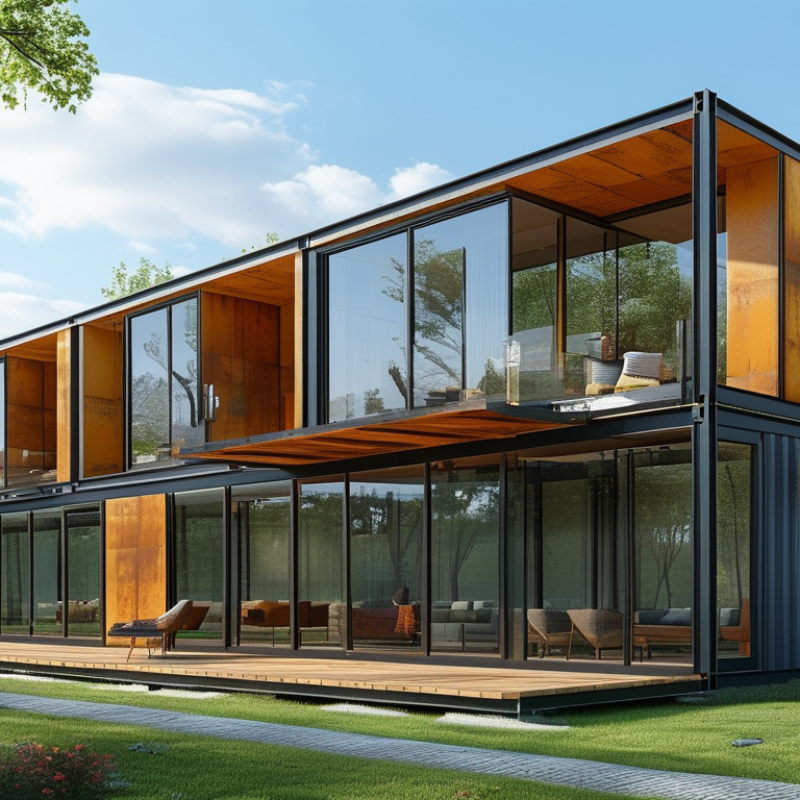
Modular steel buildings are known for their durability. However, several factors affect their lifespan. The quality of materials used plays a significant role. High-grade steel resists corrosion and harsh weather conditions. Poor materials can lead to structure deterioration. Environmental factors like humidity and temperature also impact longevity. Regular maintenance is essential to address wear and tear.
Tips: Regular inspections can identify issues early. Look for signs of corrosion or rust. Addressing minor problems promptly can prevent major repairs. Invest in protective coatings to enhance durability.
The construction methods used are vital too. Poor assembly techniques can compromise structural integrity. Ensure that experienced professionals handle the installation. This expertise reflects in how well the building can withstand time.
Tips: Always verify the contractor's credentials. A skilled team ensures quality workmanship. Document every maintenance task performed. This record can be beneficial for future assessments.
Modular steel buildings have gained popularity due to their durability and cost-effectiveness. Typically, these structures can last between 30 to 50 years. However, several factors can influence this lifespan. Maintenance plays a crucial role. Regular checks can prevent rust and structural damage, extending the life of the building.
The environment also impacts longevity. Locations with harsh weather conditions may lead to faster wear and tear. It's important to consider insulation and weatherproofing techniques. While steel is resilient, exposure to extreme elements can be challenging. Buyers should be aware of these variables when investing in modular steel solutions.
Structural quality is vital. Not all modular buildings are created equally. Engaging with reputable builders can ensure better materials and design. Poor construction can lead to issues such as water leaks and inefficient energy use over time. Being informed about these aspects can help buyers make wiser choices.
Modular steel buildings are known for their durability. However, regular maintenance is essential for maximizing their lifespan. Key practices include timely inspections, cleaning, and rust prevention. Conducting these tasks can help identify problems before they escalate into costly repairs.
Cleaning the exterior is crucial. Dirt, grime, and pollutants can lead to corrosion. Use gentle cleaners to avoid damaging the protective coatings. Regular inspections should focus on structural integrity. Look for signs of wear or damage, especially after severe weather. Addressing issues promptly can extend the life of the building significantly.
Rust prevention is another vital step. Applying a protective sealant can help ward off corrosion. Areas prone to moisture should receive special attention. Neglecting these details can lead to structural weaknesses over time. It’s essential to stay proactive in maintenance to ensure the longevity of modular steel buildings.
| Maintenance Practice | Frequency | Expected Benefits | Average Longevity Impact (Years) |
|---|---|---|---|
| Regular Inspections | Twice a year | Identify early signs of wear and damage | 5 |
| Cleaning | Quarterly | Prevent rust and corrosion | 3 |
| Paint Maintenance | Every 5 years | Protect against elemental damage | 7 |
| Roof Inspection and Repairs | Annually | Prevent leaks and structural damage | 8 |
| Foundation Checks | Every 2 years | Ensure stability and prevent shifts | 6 |
Environmental factors play a significant role in the durability of modular steel buildings. These structures are generally resistant to various environmental challenges. However, they are not invincible. Extreme weather conditions, like heavy snowfall or high winds, can impact their longevity. Rain and humidity can lead to rust if not properly treated. Regular maintenance is crucial to extend the lifespan of these buildings.
Soil conditions can also affect durability. If the foundation is not well-engineered for the specific soil type, issues may arise. Frost heave can compromise stability, while poor drainage might cause water accumulation around the base. Additionally, exposure to chemicals and pollutants can degrade steel over time.
While steel offers strong resistance to pests and fire, it is the continuous environmental exposure that tests its limits. Owners must remain vigilant about preventive measures. Inspections should be routine. Awareness of local environmental conditions can inform better maintenance practices. Adapting to these challenges can ensure that modular steel buildings endure for years.
Modular steel buildings offer a compelling alternative to traditional construction methods. Steel structures are typically faster to erect. They can often be completed in a fraction of the time, allowing for quicker occupancy. Many buyers appreciate the speed of modular construction, especially in urgent situations. However, some may question the durability of these buildings compared to conventional ones.
While traditional buildings often rely on wood and concrete, steel structures provide unparalleled strength and resistance to natural elements. Steel is less vulnerable to termites and rot, ensuring a longer lifespan under various conditions. Interestingly, some might argue that the aesthetic appeal of modular buildings can be limited compared to traditional options. This can lead to hesitance among buyers who prioritize architectural beauty. Ultimately, the decision comes down to the buyer’s specific needs and preferences.
Both methods have their pros and cons. Traditional construction might offer a classic look, but it often involves higher maintenance costs over time. Steel buildings require less upkeep and can be more sustainable. With the right planning and design, modular steel buildings can meet a range of needs efficiently and effectively. It's all about weighing the options and understanding what truly matters for each project.
: Regular maintenance maximizes durability and helps identify problems before they become costly repairs.
Use gentle cleaners to avoid damaging protective coatings. This helps prevent corrosion from dirt and pollutants.
Inspect for structural integrity and signs of wear or damage, particularly after severe weather events.
Apply a protective sealant, especially in areas prone to moisture. Neglecting this can weaken the structure over time.
Extreme weather, soil conditions, rain, humidity, and exposure to pollutants can impact the longevity of these structures.
Ill-engineered foundations for specific soil types can lead to frost heave and water accumulation, compromising stability.
Over time, exposure can degrade steel, even though it resists pests and fire well.
Remain vigilant with routine inspections and be aware of local environmental conditions.
No, they are strong but can be affected by extreme weather and improper maintenance.
Neglect can lead to structural weaknesses and ultimately shorten the building’s lifespan.
Modular steel buildings are engineered for durability and longevity, making them an attractive choice for buyers. The question of "how long do modular steel buildings last" largely depends on several influencing factors, including the quality of materials used, design features, and local environmental conditions. Typically, these structures can last several decades, often exceeding 30 years with proper maintenance.
Effective maintenance practices play a crucial role in extending the lifespan of modular steel buildings. Regular inspections, timely repairs, and protective coatings can significantly enhance durability against environmental challenges such as corrosion. When compared to traditional construction methods, modular steel buildings often provide superior resilience, making them an ideal option for those seeking long-lasting solutions.

Nova Build