In recent years, the construction industry has seen a rise in alternative building methods. Among these, modular and prefabricated buildings are gaining popularity. Many wonder, "what is the difference between modular and prefabricated buildings?" These terms often cause confusion, even among professionals.
Both types of buildings share similarities, but they are distinctly different in several aspects. Modular buildings are constructed in sections or modules in a factory, then transported to the site for assembly. In contrast, prefabricated buildings may include elements produced off-site but are not limited to modular designs. Understanding these differences is crucial for those interested in innovative construction solutions.
While both methods offer efficiencies, they come with their own challenges. Modular buildings can lead to quicker assembly times but may face zoning issues. Prefabricated buildings provide customization, yet can incur higher costs if not planned well. Recognizing these factors helps navigate the evolving landscape of modern architecture.
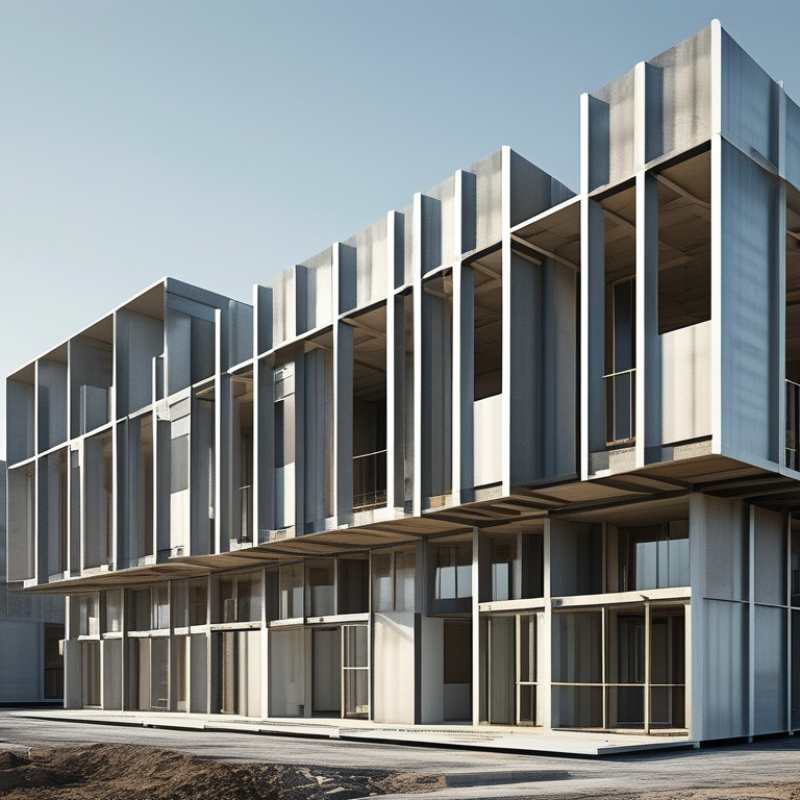
Understanding Modular Buildings: Definition and Characteristics
Modular buildings have gained traction due to their unique features. They are constructed in sections, or "modules," off-site in a factory setting. This method allows for faster assembly on location, often reducing build time by up to 50%. According to a report from the Modular Building Institute, the modular construction market is expected to grow by 7.5% annually through 2025.
One defining characteristic of modular buildings is flexibility. These structures can be easily expanded or reconfigured to meet changing needs. This adaptability often makes them ideal for schools or healthcare facilities. However, the perception of modular buildings as temporary solutions persists, leading to some skepticism regarding their durability.
Tips: When considering a modular building, assess local regulations. Not all areas welcome modular construction. It’s crucial to find a reputable builder who adheres to quality standards. Embrace the benefits but be mindful of potential challenges in design and aesthetics. Modular buildings can be sophisticated, but they still face misconceptions that require careful management.
Defining Prefabricated Buildings: Key Features and Components
Prefabricated buildings have transformed modern construction practices. These structures are partially or fully built in a factory setting. This process allows for faster assembly on-site. Key features include modular units that can be easily transported. Each unit integrates essential components, such as plumbing and electrical systems. This streamlined manufacturing leads to reduced waste and costs.
One notable aspect of prefabricated buildings is their versatility. They can be customized for various uses, from residential homes to commercial spaces. These buildings are often designed for energy efficiency, a demand in today’s eco-conscious market. However, relying heavily on factory production can complicate local compliance. It raises questions about labor practices and sustainability in different regions.
Despite their many advantages, prefabricated buildings face skepticism. Some argue that they lack the character of traditional constructions. Others worry about long-term durability. Investigating these concerns is vital for decision-makers. They must weigh the benefits against potential drawbacks. The success of prefabricated buildings depends on ongoing improvements and innovation in design and materials.
Comparing Construction Processes of Modular and Prefabricated Buildings
Modular and prefabricated buildings are modern solutions in construction, yet they differ significantly in their processes. Modular construction involves creating sections of a building in a factory setting. These sections, or modules, are then transported to the site for assembly. This method allows for faster completion times and often reduces waste. Each module is built to fit together precisely, ensuring consistency.
In contrast, prefabricated buildings often include both modular components and elements built in sections yet assembled on-site. Prefabrication might involve walls or components created separately, which can lead to a more varied construction process. This variety can be beneficial, but it also introduces complexity and potential delays. Builders must carefully manage logistics to avoid setbacks.
Both methods provide unique advantages and challenges. Modular buildings typically offer a smooth and streamlined approach, while prefabricated options allow for greater customization. However, the intricacies of each approach require careful planning and skilled execution. Reflecting on past projects reveals the importance of flexibility and attention to detail in achieving successful outcomes.
Comparison of Construction Time and Cost: Modular vs. Prefabricated Buildings
Advantages and Disadvantages of Modular vs. Prefabricated Buildings
Modular and prefabricated buildings each offer unique benefits and drawbacks. According to a report from the Modular Building Institute, modular construction can reduce time on site by up to 50%. This efficiency stems from simultaneous site and building preparation. Prefabricated structures, however, may allow for greater design flexibility. They can integrate complex architectural features that may be challenging in modular setups.
On the downside, modular buildings can face zoning challenges. Local regulations may not be as friendly to modular constructions. Prefabricated buildings, while more adaptable, can lead to increased costs if customized too extensively. A study by McKinsey showed that 20-40% of construction costs stem from inefficient project management, which can escalate in both types.
Environmental considerations are also key. Modular buildings generally produce less waste, but they must be transported, which can negate some sustainability advantages. Prefabricated buildings can offer more green options but may use materials with higher carbon footprints. The industry still faces challenges in standardizing sustainable practices across both methods.
Applications and Use Cases for Modular and Prefabricated Structures
Modular and prefabricated buildings have distinct applications that cater to various needs. Modular buildings are often used for temporary solutions, such as classrooms, offices, or emergency shelters. These structures can be quickly assembled and disassembled, making them ideal for locations requiring flexibility. They are also popular in the construction of residential homes, offering a rapid turnaround time and reduced waste.
Prefabricated structures typically focus on permanent installations, including commercial complexes and multi-family housing. These buildings are made in sections off-site and then transported for assembly. They can accommodate modern architectural designs and energy-efficient features. While both styles offer efficiency, prefabricated buildings can face challenges regarding customization. Creating unique designs might be harder as they rely on standard modules.
There are instances where modular and prefabricated approaches merge, leading to innovative designs. The adaptability of these buildings can foster community growth in urban areas. However, concerns about durability and maintenance remain valid. Exploring local building codes and environmental impacts is essential before choosing either option.
Difference Between Modular and Prefabricated Buildings
| Feature |
Modular Buildings |
Prefabricated Buildings |
| Construction Method |
Built off-site in sections (modules) and assembled on-site |
Components constructed off-site and assembled on-site |
| Time to Build |
Generally faster due to simultaneous site preparation and module construction |
Longer due to sequential construction processes |
| Cost Efficiency |
Typically lower costs due to reduced labor and construction time |
Can be cost-effective but varies on design complexity |
| Design Flexibility |
Highly customizable with various layout options |
Limited to predefined modules unless custom-built |
| Applications |
Residential, commercial, schools, and healthcare facilities |
Temporary structures, residential, offices, and government buildings |
| Regulatory Approvals |
Follows local codes; may require specific modular approvals |
Typically adheres to standard building code regulations |
Conclusion
This article explores what is the difference between modular and prefabricated buildings, providing a comprehensive breakdown of their definitions, characteristics, and construction processes. Modular buildings are constructed in sections or "modules" in a factory setting and then transported to the site for assembly, emphasizing efficiency and speed. In contrast, prefabricated buildings involve components that are manufactured off-site but assembled on-site, highlighting flexibility in design and construction.
The article further examines the advantages and disadvantages of each building type, such as cost-effectiveness and build time, as well as their applications in various settings. Ultimately, this comparison serves to clarify the unique attributes and practical uses of modular and prefabricated structures, guiding readers to make informed decisions based on their specific construction needs.

 Nova Build