The sustainability of modular steel structures has gained significant attention in recent years. Organizations like the World Green Building Council emphasize a shift towards environmentally friendly building practices. Notably, modular construction can reduce construction waste by up to 90% and energy use during the building process by 30%. This prompts a key question: how sustainable are modular steel structures?
Studies show that steel is 100% recyclable, making it a compelling choice for sustainable building. In fact, around 70% of steel production is derived from recycled materials. However, the carbon footprint of steel production is still a concern. According to the Global Steel Innovations Forum, the industry accounts for approximately 7% of global carbon emissions. Therefore, while modular steel structures offer numerous benefits, the path to true sustainability requires ongoing improvements in steel production processes.
Additionally, modular construction offers faster build times, which can lead to lower overall energy consumption. However, its reliance on factory production needs to be balanced against transportation emissions. Transportation can contribute significantly to the environmental impact, indicating a need for strategic planning. These factors shape the ongoing dialogue on the sustainability of modular steel structures and highlight areas for further exploration and improvement.
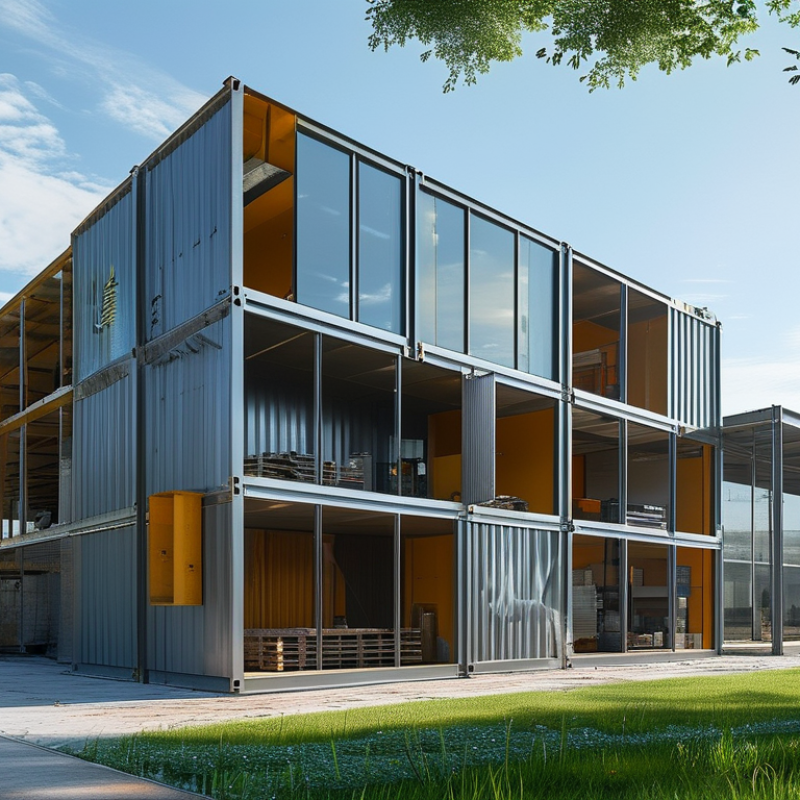
Importance of Sustainability in Construction
Sustainability in construction is crucial as the industry grapples with climate change and resource depletion. The World Green Building Council reports that buildings are responsible for 39% of global carbon emissions. Adopting sustainable practices can significantly reduce these figures, making it essential to explore modern solutions.
Modular steel structures offer a viable path to sustainability. These buildings can be constructed with recycled materials, minimizing waste. Research indicates that using pre-manufactured components can cut construction time by 30-50%. This efficiency reduces the carbon footprint by lowering energy use during building.
However, challenges remain. The initial costs of modular construction can deter some stakeholders. An analysis by McKinsey & Company highlighted that, despite long-term savings, many are hesitant about upfront investments. It's crucial to weigh these financial aspects against the environmental benefits. Balancing economic and ecological goals requires ongoing discussion.
Overview of Modular Steel Structures
Modular steel structures have emerged as a practical solution in modern construction. They are prefabricated off-site and assembled later, which allows for efficiency. This method reduces material waste significantly, contributing to sustainability. A modular design allows for flexibility, enabling buildings to adapt to different needs without extensive new materials. Each piece fits together like a puzzle, which enhances the speed of construction.
These structures have unique strengths. Steel is recyclable and has a high strength-to-weight ratio, which adds durability. Additionally, the precision of modular construction minimizes errors, leading to fewer resources wasted on corrections. However, it’s worth noting that not all modular units are built with the same standards, which can affect long-term sustainability. Sustainable practices depend on the materials and methods used during the production phase as well.
While the benefits are clear, there are challenges to consider. Local regulations may hinder the widespread use of modular steel buildings. Delivery and transportation logistics can impact the overall carbon footprint. A critical analysis is essential to balance the advantages with these considerations. This approach ensures that modular steel structures are genuinely sustainable and effective in reducing our environmental impact.
Energy Efficiency in Modular Steel Designs
Energy efficiency is a hallmark of modular steel designs. These structures often use pre-fabricated components that can be built quickly. This method reduces the energy required on-site during construction. Additionally, modular buildings typically feature superior insulation properties. This leads to lower energy consumption for heating and cooling. The result is a more sustainable building that benefits both the environment and the owner’s wallet.
Incorporating natural light into modular designs enhances energy efficiency. Large windows and open layouts allow sunlight to permeate spaces. This reduces the need for artificial lighting throughout the day. Moreover, many modular designs use energy-efficient appliances and systems. This further contributes to lower overall energy use. However, there is still a need to evaluate the long-term impacts of materials used in production. Looking for sustainable sources becomes crucial in the modular construction process.
While modular steel structures have clear benefits, challenges remain. Transportation of modules can consume energy, particularly over long distances. Balancing material sourcing and construction methods is essential for true sustainability. It encourages ongoing reflection on best practices in the industry.
Energy Efficiency in Modular Steel Designs
Recyclability and Environmental Impact of Steel
Modular steel structures are increasingly recognized for their sustainability, particularly in terms of recyclability and environmental impact. According to the World Steel Association, steel can be recycled repeatedly without losing its properties. In fact, around 85% of steel produced today comes from recycled materials. This significantly reduces the need for virgin resources and lowers energy consumption in the manufacturing process.
Moreover, the environmental impact of steel is notable. A life cycle assessment conducted by the American Iron and Steel Institute shows that using recycled steel can save up to 75% of the energy compared to producing new steel. However, challenges remain. While recycling rates are improving, there are still significant amounts of steel that end up in landfills. Innovations in recycling technology are essential to address this shortfall and improve sustainability further.
Additionally, the carbon footprint of steel production is a concern. The process emits substantial greenhouse gases, contributing to climate change. Striking a balance between steel's benefits and its environmental footprint requires careful consideration of production methods and sourcing. Ongoing research aims to develop greener technologies that will make the industry more sustainable in the future.
Cost-Effectiveness and Resource Management in Modular Builds
Modular steel structures are gaining attention for their cost-effectiveness and efficient resource management. These buildings utilize prefabricated parts, reducing waste significantly. This approach minimizes environmental impact, making modular construction a sustainable choice. By using recycled materials, these structures promote a circular economy.
Investing in modular steel also translates to financial savings. The efficient production process cuts labor costs and shortens construction time. A quicker build means lower overall project costs. Clients can occupy these buildings sooner, generating revenue earlier. Still, it's essential to balance initial expenses with long-term benefits. Some might find upfront costs higher than traditional methods.
Tips for those considering modular builds: evaluate your project's specific needs. Consider how modular solutions fit your budget and timeline. Also, research local regulations that might affect modular construction. Understanding these details helps ensure a smoother process. Each project offers an opportunity for learning and improvement. Embrace flexibility to adapt strategies as challenges arise.
Best 7 Reasons Why Modular Steel Structures Are Sustainable?
| Reason |
Description |
Environmental Impact |
Cost Efficiency |
| 1. Reduced Waste |
Less construction waste compared to traditional methods. |
Minimizes landfill volume, promotes recycling. |
Lower disposal costs. |
| 2. Resource Efficiency |
Optimizes use of materials through precision manufacturing. |
Reduces environmental footprint. |
Lower raw material costs. |
| 3. Energy Efficiency |
Incorporates energy-efficient design and materials. |
Reduces energy consumption and emissions. |
Saves on energy bills. |
| 4. Fast Construction |
Quick assembly reduces site time. |
Limits disruption to the environment. |
Reduces labor and overhead costs. |
| 5. Flexibility and Adaptability |
Easily modified and relocated. |
Promotes sustainable land use. |
Decreases long-term investment risks. |
| 6. Durability |
Steel structures have long lifespans. |
Less frequent replacements mitigate resource use. |
Long-term savings on replacements. |
| 7. Lower Carbon Footprint |
Manufacturing and transporting processes are optimized. |
Contributes to climate change mitigation. |
Reduces overall construction costs. |
Conclusion
Modular steel structures are increasingly recognized for their sustainability in the construction industry. Understanding how sustainable are modular steel structures involves examining various key aspects. Firstly, the importance of sustainability in construction cannot be overstated, as it drives the sector towards more environmentally friendly practices. Modular steel designs, known for their energy efficiency, minimize waste and reduce energy consumption during both construction and occupancy.
Additionally, the recyclability of steel significantly lowers its environmental impact, allowing for materials to be repurposed at the end of their life cycle. Furthermore, modular builds offer cost-effectiveness through efficient resource management, enabling faster construction times and reduced labor costs. Overall, modular steel structures present a compelling model for sustainable architecture, merging innovation with responsible resource use.

 Nova Build