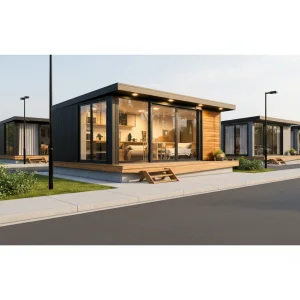
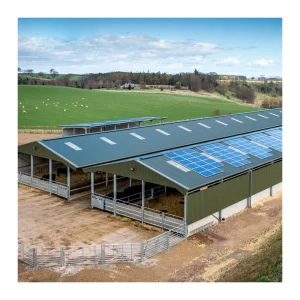
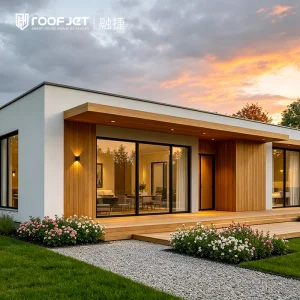
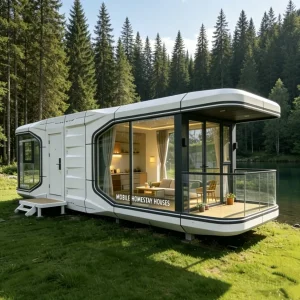
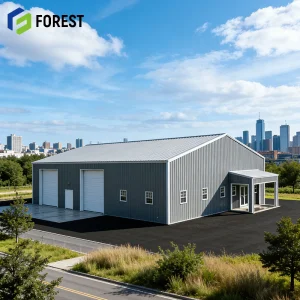
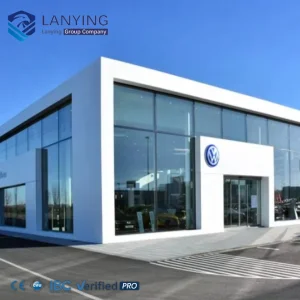
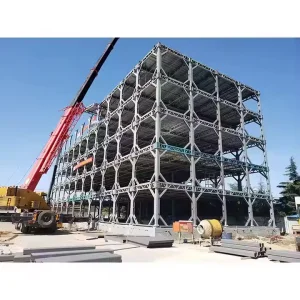
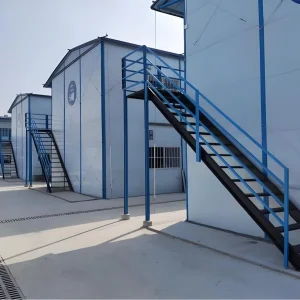
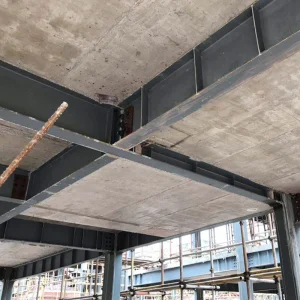
Explore our leading collection of prefabricated structural designs, engineered to support critical infrastructure, healthcare, logistics, and residential sectors globally.
The global construction landscape is undergoing a structural paradigm shift. Once characterized by traditional, resource-intensive, on-site fabrication methods, the modern industrial, mining, commercial, and emergency service sectors now prioritize agility, cost efficiency, and structural sustainability. Temporary construction solutions—ranging from rapid-deployable medical modules and light steel administrative buildings to highly specialized container clinics—are no longer viewed as mere placeholders. Instead, they serve as engineered assets vital to remote asset operations and fast-track urban expansions.
Statistically, the modular construction market was valued at approximately USD 85 billion in recent years and is projected to expand at a Compound Annual Growth Rate (CAGR) of over 6.5% to exceed USD 130 billion by 2030. The catalyst for this rapid expansion is the convergence of urbanization pressures, infrastructure deficits in developing regions, and the industrialization of remote areas. Industries such as oil and gas extraction in Western Australia, infrastructure development across sub-Saharan Africa, and disaster-relief operations in Western Europe depend heavily on the continuous supply of high-grade prefabricated steel building components.
In mature B2B procurement networks, key performance indicators (KPIs) have shifted from simple material cost considerations to comprehensive Life Cycle Assessment (LCA) benchmarks. Engineering compliance, structural load capability, wind-load capacity, and thermal transfer indices (U-values and R-values) represent the new language of procurement officers selecting manufacturers. Modern temporary constructions must withstand harsh, variable climates—ranging from sub-zero Alpine conditions to the scorching arid temperatures of the Middle East—while retaining structural integrity, portability, and high ease of re-deployment.
When evaluating the "Top 10 Temporary Construction Solutions Manufacturers & Exporters," engineering decision-makers must look beyond nominal quotes and carefully analyze production logistics, compliance systems, and raw material grading. The following matrix outlines the fundamental criteria that separate tier-1 exporters from standard manufacturers:
| Key Performance Criteria | Standard Prefabricated Systems | Tier-1 Engineered Solutions (e.g., Nova Build Class) | Project Impact & ROI Value |
|---|---|---|---|
| Structural Framing & Metallurgy | Low-cost Q235 Mild Steel, basic painted coating | Hot-dip galvanized Q355B structural steel frames (up to Fy = 345 MPa) | Ensures a structural life cycle exceeding 25 years under high-corrosion environments. |
| Enclosure & Thermal Barrier | Standard 50mm EPS core panels, low-density fill | Non-combustible high-density Rockwool or Polyurethane (PU) sandwich panels | Substantial reduction in HVAC energy consumption; certified fire resistance class (Class A). |
| Logistics Efficiency Ratio | Fully assembled shipping only (unfavorable freight cost) | Optimized Flat-Pack or Expandable configurations (4-in-1 shipping envelopes) | Reduces international maritime freight charges by up to 75% per shipment. |
| Environmental Compatibility | Non-recyclable materials, significant construction waste | Fully reusable framing, recyclable components, minimal site preparation | Assists multinational enterprises in meeting strict ESG targets and LEED certifications. |
Developing state-of-the-art modular infrastructure demands sophisticated structural calculations and rigorous materials engineering. Tier-1 manufacturers leverage cold-formed thin-walled steel (CFTWS) members and heavy structural framing, complying with strict global structural design codes such as Eurocode 3 (EN 1993), AISC 360-16 (American Institute of Steel Construction), and AS/NZS 4600 (Australian/New Zealand Standard for Cold-formed steel structures).
From a microstructural perspective, the integration of hot-dip galvanization with a zinc layer coating weight ranging from 120 g/m² to 275 g/m² provides long-term electrochemical protection against galvanic corrosion. For marine environments or high-humidity regions, additional epoxy coatings or polyurethane finishing systems are applied, yielding outstanding resistance to salt spray exposure.
Thermal regulation in temporary facilities is dominated by heat transfer coefficients. Premium sandwich panels feature specialized core infills such as polyisocyanurate (PIR) and high-density mineral rockwool (density ≥ 120 kg/m³). These cores achieve remarkably low thermal conductivity values (down to λ = 0.022 W/m·K for PIR), providing an superior thermal envelope that lowers cooling loads in equatorial environments. Crucially, mineral rockwool panels offer an integral fire-resistance rating (FRR) of up to 120 minutes, complying with ASTM E119 and EN 1363-1 requirements.
Environmental adaptation is a key operational challenge for temporary constructions. The performance requirements of a modular field camp in the desert differ drastically from those of a multi-storey temporary administrative complex in Northern Europe:
Within the competitive global landscape of prefabricated steel structures, Foshan Nova Build Co., Ltd. stands out as a leading Chinese modular steel structure manufacturer. They specialize in the design, engineering, manufacturing, and global supply of high-grade prefabricated building systems. Through their dedicated focus on international engineering standards and rigorous quality assurance, the enterprise has established itself as an authoritative partner for industrial, commercial, and civil development programs worldwide.
Utilizing advanced design methodologies—including computerized finite element analysis (FEA) and Building Information Modeling (BIM)—Foshan Nova Build designs structural systems that achieve a high level of on-site precision. Their diverse product portfolio features industrial prefabricated steel warehouses, modular administrative offices, remote accommodation camps, and customized commercial structures. Their products are engineered to comply with strict international regulatory codes, offering exceptional strength, durability, and life-cycle cost savings.
Foshan Nova Build operates modern manufacturing plants equipped with advanced automated steel processing equipment. Their specialized production lines cover the entire fabrication lifecycle, from plate cutting and automatic welding to surface treatment, assembly, packaging, and logistics. By providing integrated, one-stop engineering procurement construction (EPC) services, they ensure smooth project delivery, reliable quality control, and minimized lead times.
The company prioritizes sustainability, developing energy-efficient and eco-friendly structural solutions that help clients worldwide reduce construction waste, minimize on-site labor requirements, and lower project carbon emissions. Their modular steel structures are widely deployed in challenging sectors, including industrial complexes, mining logistics hubs, healthcare facilities, temporary educational centers, and modern retail environments.
Operating under a strict quality management system, Foshan Nova Build Co., Ltd. has built a global footprint across Europe, the Americas, Asia-Pacific, the Middle East, and Africa. Their commitment to technical innovation, engineering integrity, and client satisfaction continues to drive value for procurement partners worldwide.
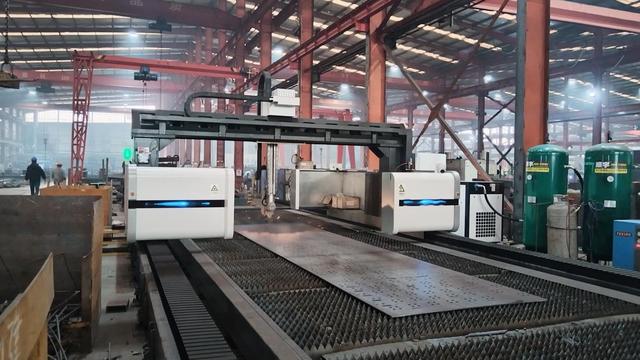
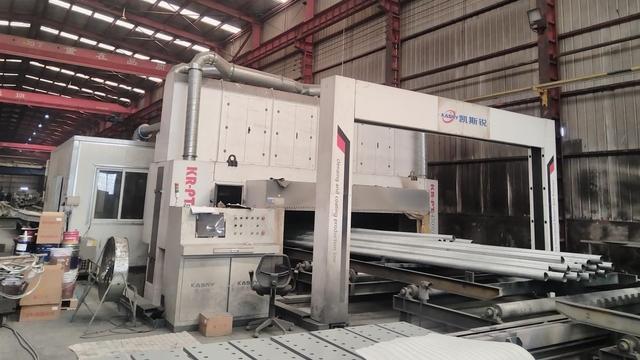
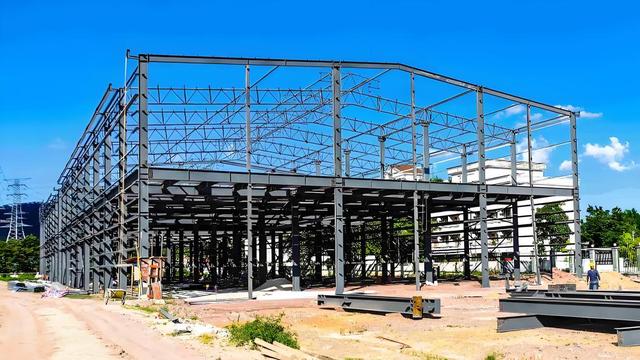
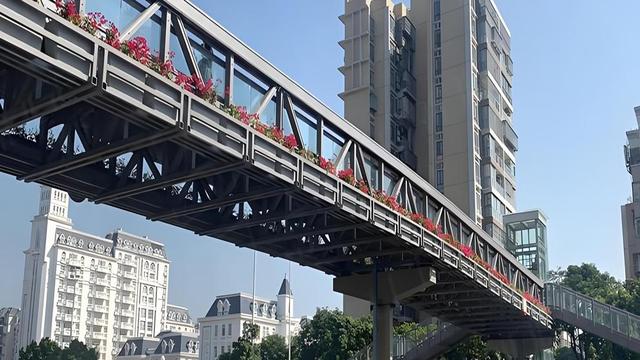
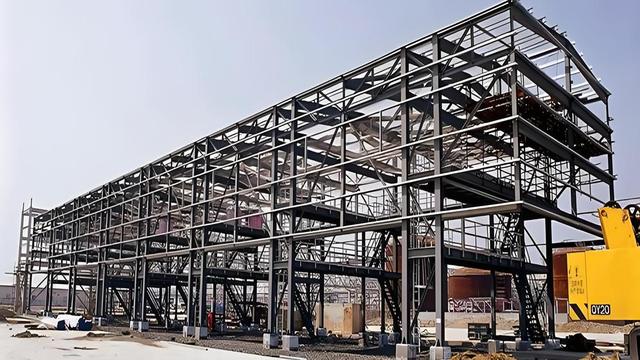
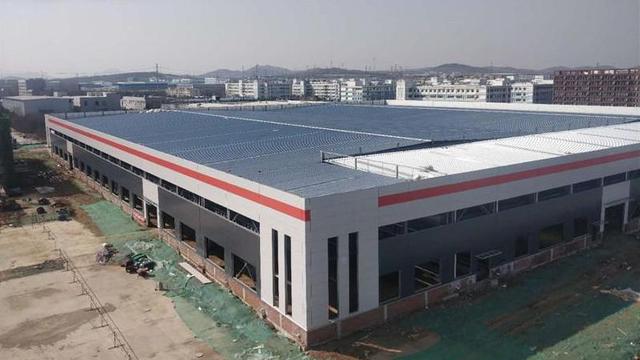
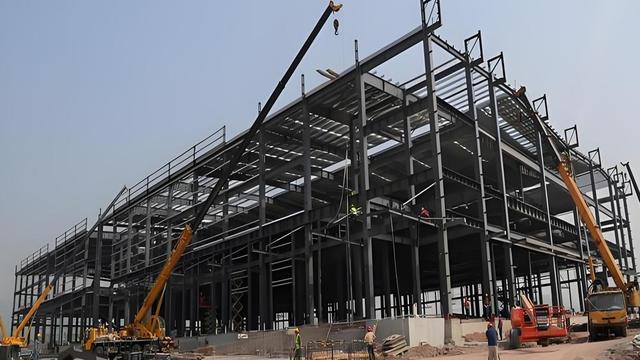
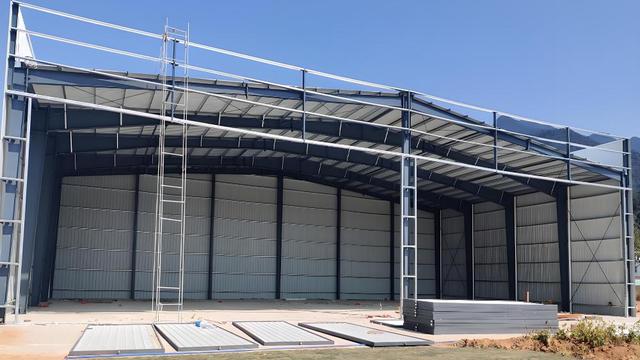
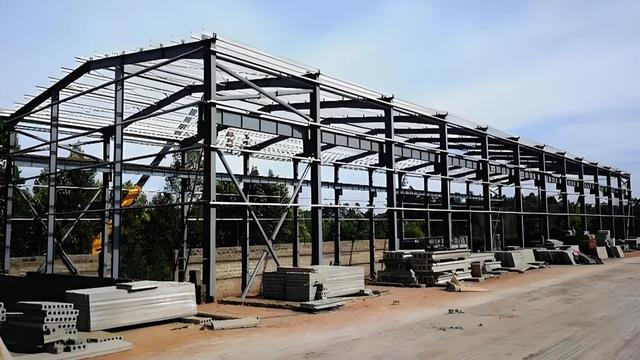
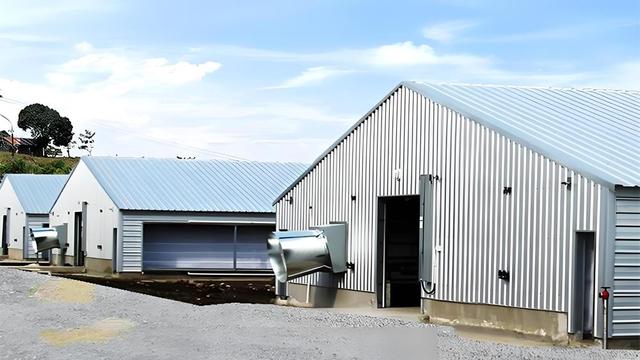
Explore our engineering capabilities across industrial warehousing, high-density residential structures, and custom commercial configurations.
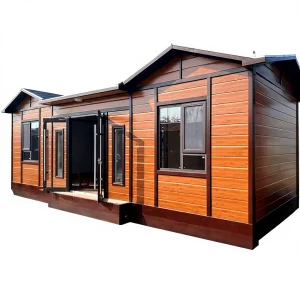
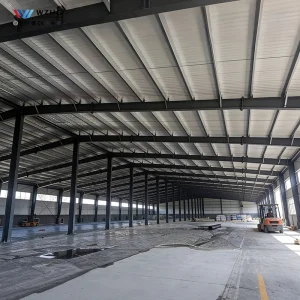
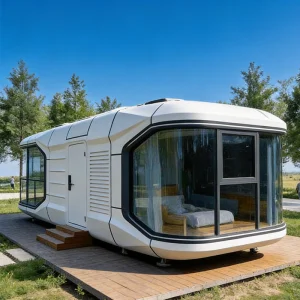
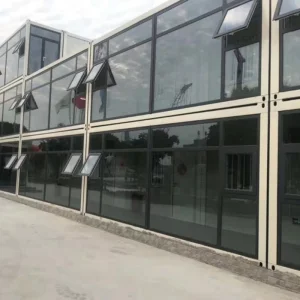
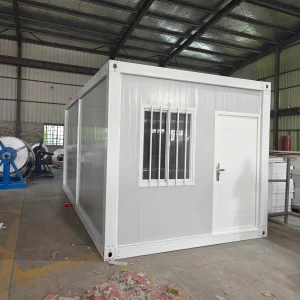
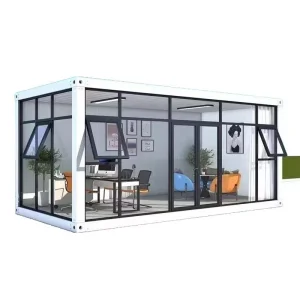
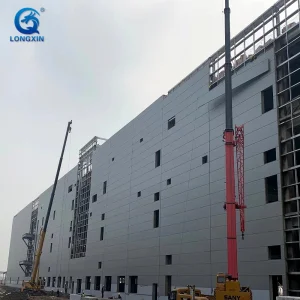
The commercial viability of modular buildings depends on their logistical efficiency. Transporting large structural columns and wall systems across continents requires optimal dimensional packaging. In flat-pack modular solutions, four standard 20-foot units are designed to bundle together to match the exact dimensional profile of a single ISO standard 20-foot shipping container. This design yields up to 75% savings in maritime freight charges compared to transporting fully pre-assembled units.
For rapid deployment, field installation must be streamlined. Fast-assembly double-storey structures use pre-welded perimeter steel rings and integrated lifting lugs, allowing complete crane positioning in under 20 minutes per unit. Inter-modular connections are then secured with high-tensile hot-dip galvanized structural bolts (typically Grade 8.8 or 10.9), eliminating the need for specialized on-site welding or non-destructive testing (NDT) workflows.
Internally, units are configured with pre-run electrical conduits, pre-installed distribution boards, and pre-engineered plumbing manifolds. By moving mechanical, electrical, and plumbing (MEP) work to the controlled factory environment, site integration is reduced to simple inter-modular connections, dramatically cutting local labor costs and avoiding project delays.
Our steel structures are engineered to meet global building code standards (such as ASCE 7-16 and Eurocode 1). The heavy Q355B structural steel frames can be engineered to resist design wind speeds ranging from 120 km/h up to 250 km/h (equivalent to Category 5 typhoons). Additionally, our engineering division models seismic load capabilities up to seismic zone 4 (equivalent to Grade 8 seismic resistance), utilizing finite element analysis to ensure safety.
The 40ft expandable design features a center core chassis that houses critical MEP systems during transit. The side wings fold inward to match standard ISO shipping container dimensions, allowing transportation via standard logistics channels. On site, integrated heavy-duty hinge mechanisms allow the wings to expand, tripling the floor space in under two hours with basic mechanical rigging tools.
We offer polyurethane (PU) foam, polyisocyanurate (PIR), and high-density mineral rockwool sandwich panels. High-density rockwool (typically ≥ 120 kg/m³) provides superior Class A fire-resistance rating (FRR) for up to two hours. For thermal performance, our PIR panels achieve a thermal conductivity rating (λ) of 0.022 W/m·K, making them highly effective for energy efficiency in extreme climates.
Yes. By analyzing local snow drift parameters under structural codes like Eurocode 3 or AISC, our engineering team adjusts the gauge, depth, and spacing of the cold-rolled C/Z section purlins. We can reinforce roof load capacities to exceed 2.0 kN/m² for sub-alpine environments, preventing structural deflection.
We utilize hot-dip galvanization with a minimum zinc coating mass of 120 g/m² (up to 275 g/m² for extreme coastal environments). After galvanization, members undergo a multi-pass powder coating or epoxy-polyurethane paint system. This provides a robust barrier against moisture and salt-fog degradation, extending the maintenance-free life cycle of the structure.
Yes, wall and ceiling panels are pre-engineered with internal conduits, distribution boxes, and outlet points matching regional regulatory standards (such as CE, AS/NZS, or UL). Plumbing runs for wet areas are pre-installed and pressure-tested at the factory, leaving only final connection points for field installation.
When properly maintained on an engineered concrete slab or steel pier foundation, our modular space capsules and light steel structural villas have a design lifespan of 30 to 50 years. The primary structural frames are designed to last, while secondary cladding elements are easily serviced or replaced over time.
We operate under ISO 9001:2015 quality management protocols. Every production run undergoes structural weld inspections, alignment verification, paint thickness testing, and pre-assembly testing. For international shipments, components are packed in steel-reinforced crates and protected with heavy marine shrink-wrap to prevent movement or damage during transport.
 Nova Build