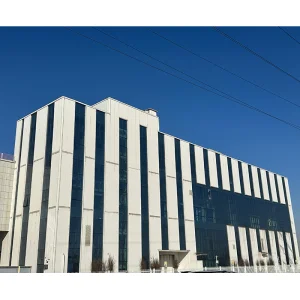
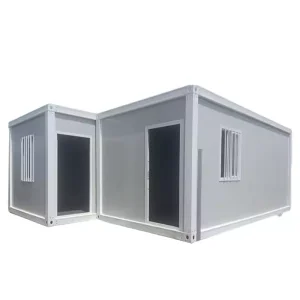
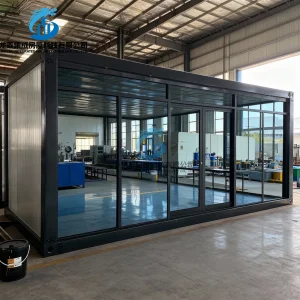
Engineered for high load-bearing efficiency, rapid lock-up, and compliance with severe wind and seismic zones across North America.
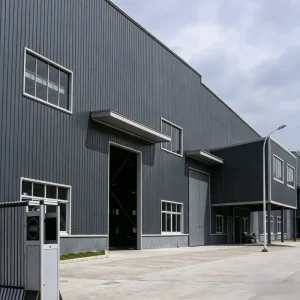
The construction landscape across the United States is undergoing a paradigm shift. Rising onsite labor costs, strict regional building regulations (such as California's Title 24 energy performance parameters and Florida's High-Velocity Hurricane Zones wind requirements), and the urgent need for shorter developer timelines are pushing construction firms toward off-site volumetric and panelized modular manufacturing.
By shifting structural steel profiling, plate welding, and architectural assembly from the field to optimized manufacturing facilities, developers typically experience 30% to 50% shorter project timelines and substantially lower material waste profiles. This process mitigates weather delays and addresses the acute labor shortages facing commercial builders in rapidly expanding metropolitan areas.
A comparative overview of volumetric modular construction methods versus traditional onsite general contracting.
Site prep and building fabrication occur simultaneously, cutting time-to-occupancy by up to 50%.
Factory production shields projects from price volatility in regional labor markets.
Welding and inspection processes are executed under factory controlled environments by AWS-certified staff.
Faster Project Turnaround
Wind Resistance Rating
AISC & IBC Compliant Designs
Weather-Induced Cost Overruns
Analyzing the structural mechanics, envelope optimization, and seismic safety factors of modern factory-fabricated steel buildings.
To deliver structural reliability, modular components are configured utilizing high-tensile hot-rolled steel profiles (predominantly ASTM A992 or equivalent structural steel for portal frames, H-beams, and columns). Auxiliary components and wall framing use cold-formed light-gauge steel members meeting ASTM A1003 specifications. Hot-dip galvanization (complying with ASTM A123) ensures long-term resistance to coastal salinity and industrial corrosive environments.
Achieving compliance with ASHRAE 90.1 energy standards requires continuous thermal envelopes. Nova Build's assemblies feature high-density Polyisocyanurate (PIR) or polyurethane (PU) sandwich panels, achieving high thermal values. Continuous insulation prevents thermal bridging across cold-formed steel frames, optimizing HVAC efficiency and lowering commercial operating expenses.
| Building Element | Technical Specification | US Regulatory Reference | Commercial Performance Advantage |
|---|---|---|---|
| Primary Columns & Rafters | Q355B (Equivalent to ASTM A572 Grade 50) Steel Profiles | AISC 360 LRFD Design Code | High yield strength with reduced structural self-weight, allowing for wider clear spans. |
| Enclosure Panels | Dual-sided pre-painted galvanized steel with PIR core (50mm–150mm) | ASTM C518 (Thermal Resistance), NFPA 285 Fire Spread | R-values up to R-40, minimizing energy consumption and preventing fire spread. |
| Fastening & Joists | ASTM A325 High-Strength Structural Bolts & Rivets | AISC Bolting Specifications | High shear resistance, secure connections, and straightforward field assembly. |
| Corrosion Barrier | C3 to C5 Hot-Dip Galvanization or Epoxy Paint Barrier | ISO 12944 Paint Classification | Prolonged structural lifespan in coastal, highly humid, or chemical environments. |
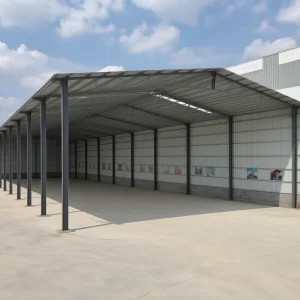
Engineered for warehouse and manufacturing environments, accommodating overhead bridge cranes and dynamic equipment loads.
Components arrive pre-drilled, pre-punched, and pre-coded, reducing local assembly costs and limiting waste.
Engineered with moment-resisting connections to absorb seismic energy in high-risk zones, such as California and Alaska.
Foshan Nova Build Co., Ltd. is an established steel structure manufacturer specializing in the design, engineering, and supply of high-grade prefabricated building solutions. Operating modern production facilities, we deliver structural systems tailored to the technical requirements of industrial, commercial, and hospitality projects globally.
By leveraging advanced automated CNC cutting systems, robotic welding machinery, and rigorous quality control methodologies, our production lines manufacture modular frames and components that consistently align with international standards. We manage the design cycle from structural drafting to logistics coordination, helping developers mitigate supply chain risks and minimize installation costs.
Our commitment to sustainable engineering translates to buildings that reduce construction cycles, site labor requirements, and raw material waste. Our structural products serve a variety of commercial uses, including industrial warehouses, modular hotels, retail spaces, and school facilities across the Americas, Europe, the Middle East, and Asia.
Each project undergoes rigorous factory inspection procedures before transport:
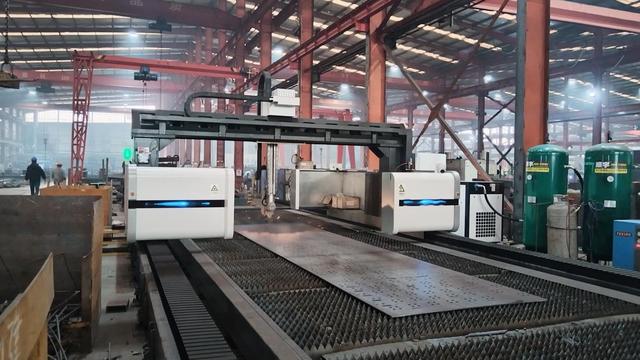
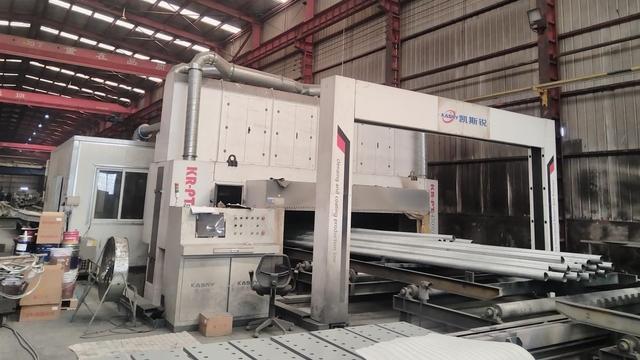
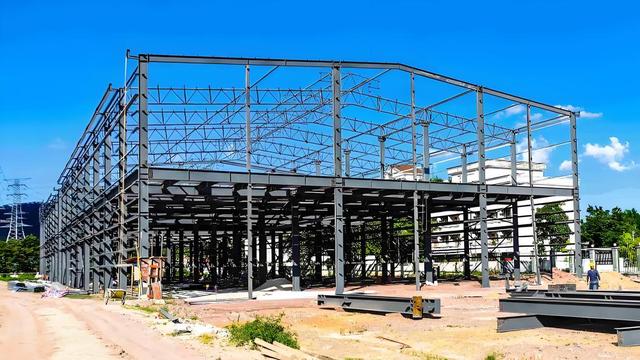
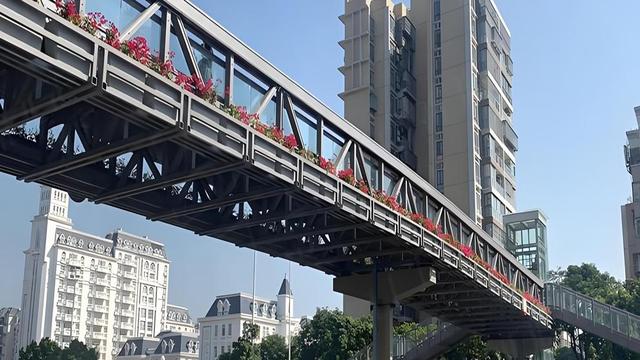
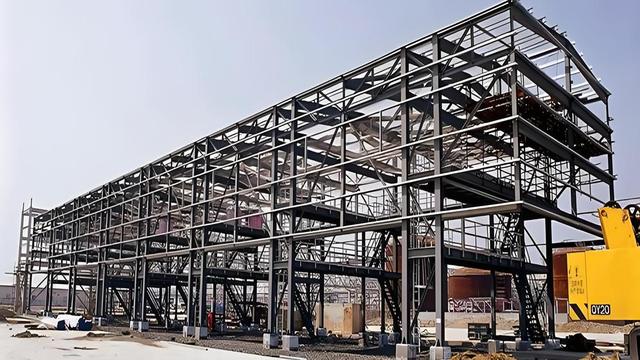
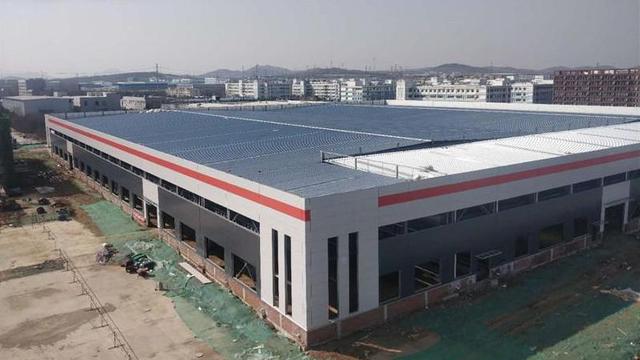
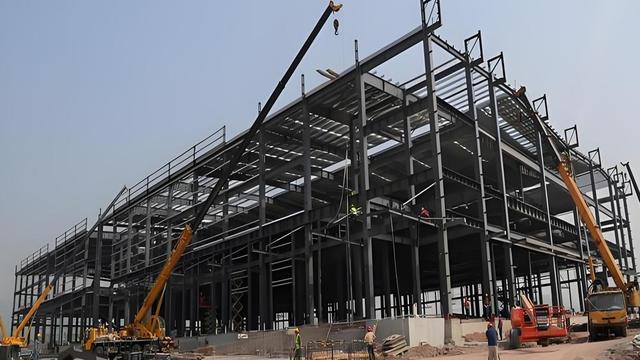
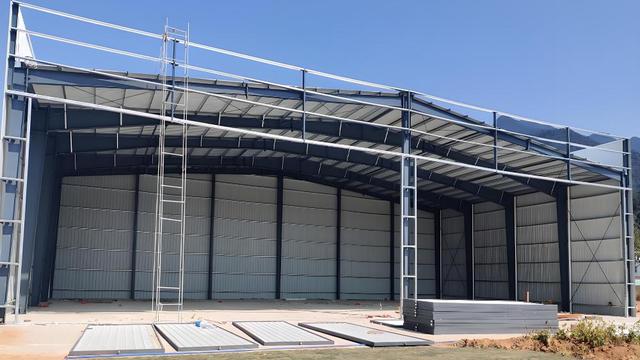
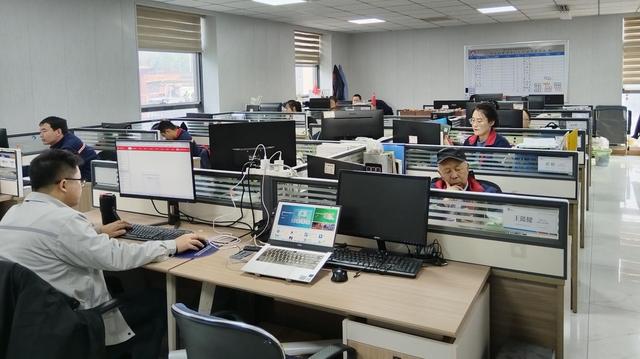
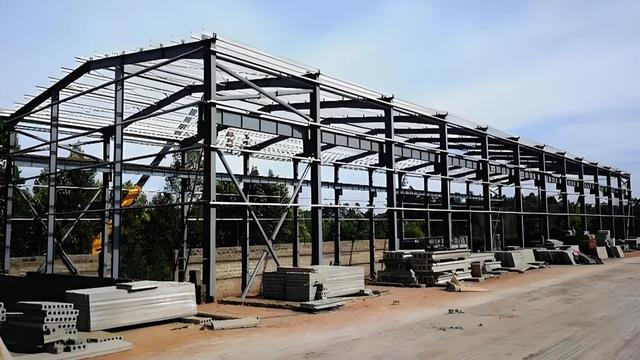
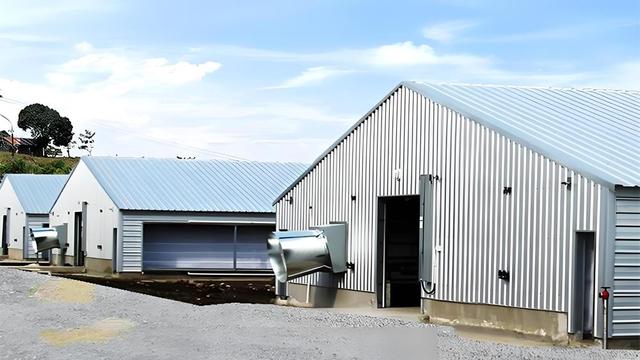
Standardized components designed for rapid installation, reliable weathering protection, and commercial scalability.
How regional contractors utilize prefabricated steel systems to streamline construction across diverse business sectors.
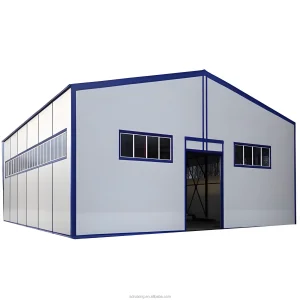
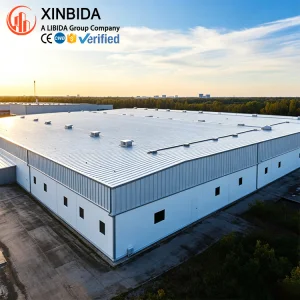
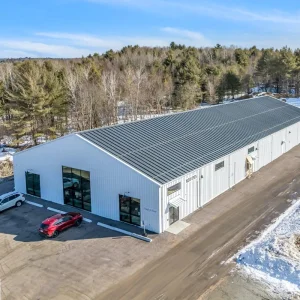
Addressing the demand for logistics space in states like Texas and Illinois. Clear-span systems provide column-free areas essential for automated racking and forklifts.
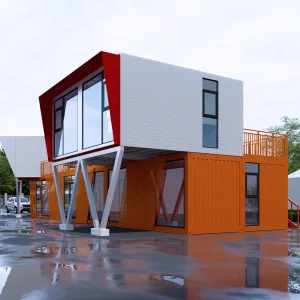
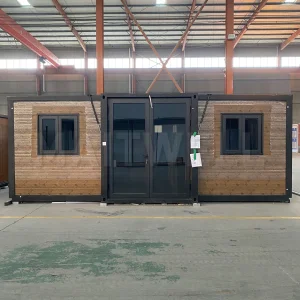
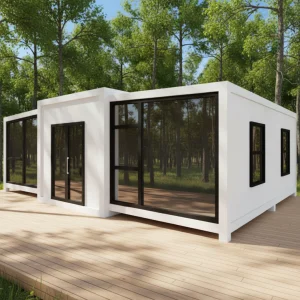
Quick-setup container cafes and sandwich panel retail units assist real estate companies in California and New York with rapid site activation and flexible commercial configurations.
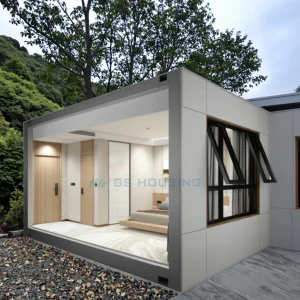
Pre-engineered modules with completed interior linings and pre-fitted utility connections help hospitality brands reduce onsite MEP (Mechanical, Electrical, Plumbing) labor cycles by up to 70%.
Direct engineering insights for procurement directors, developers, and structural consultants.
Submit your site plans, architectural drawings, or technical specifications. Our structural engineering team will review your proposal and provide a comprehensive design assessment and budget estimation.
 Nova Build