The Israeli healthcare system stands at a critical juncture. Characterized by rapid population growth, high utilization rates, and geopolitical challenges, there is an urgent and systemic demand to scale medical facilities. Traditional brick-and-mortar hospital construction is bottlenecked by prolonged approval timelines, labor shortages, and high local construction costs. Prefabricated modular hospital buildings offer an optimized engineering strategy to deliver state-of-the-art facilities in a fraction of the time.
By moving up to 90% of construction off-site into controlled manufacturing facilities, global leaders in prefabricated steel structural engineering provide Israeli medical developers and government agencies with a turnkey path to expand clinical capacity. These modular structures integrate structural resilience, advanced thermal insulation, and strict acoustic barriers designed for rapid deployment across high-density urban areas like Tel Aviv or emergency medical expansions in peripheral zones.
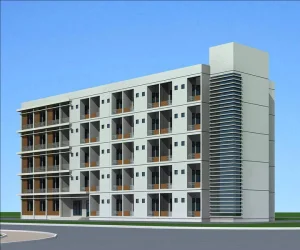
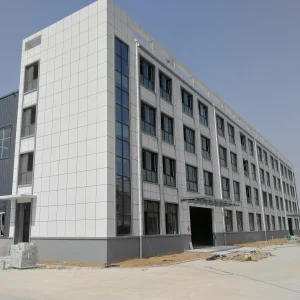
High-specification prefabricated medical structures configured to meet stringent clinical insulation and regulatory requirements.
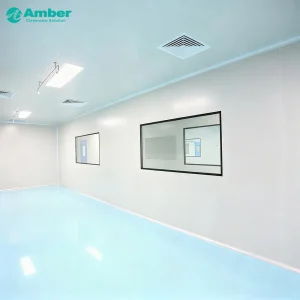
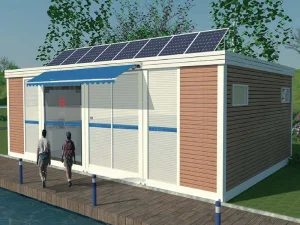
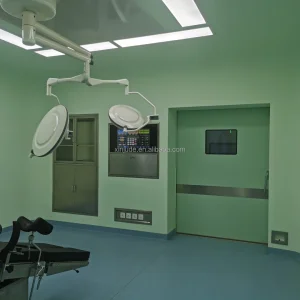
The acceleration of infrastructure building in Israel relies on finding a balance between structural engineering excellence and logistical agility. Israel’s public health network, supervised by the Ministry of Health (MOH), operates under high capacity pressures. Hospital bed occupancy rates consistently track near 90-95% in major institutions. These conditions necessitate rapid building solutions that do not disturb active medical campuses. As urban centers like Jerusalem and the central district grow, expanding medical complexes horizontally is impossible due to land scarcity. Vertical expansion or building on structural additions using heavy concrete is time-consuming and risks structural overload.
Furthermore, Israel's geographical location presents challenges that impact structural engineering. The Dead Sea Rift zone presents potential seismic risks, demanding compliance with Israeli Standard IS 413 (Design of Structures for Earthquake Resistance). Additionally, buildings must account for local security guidelines requiring specialized structural reinforcements and proximity protective shelters. Standard container offices do not satisfy these rules; rather, heavy steel modular structures with reinforced structural frames and integrated fire-rated drywalls are required.
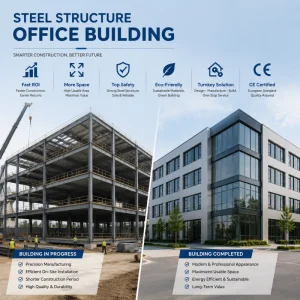
Another major market dynamic is the severe shortage of skilled construction labor. In recent years, local site labor costs have risen, driving developers toward off-site fabrication. Modern modular design transfers the complex parts of building—structural framing, insulation cladding, ductwork integration, and electrical wiring—to specialized factories. This allows on-site teams in Israel to focus solely on site preparation, foundation placement, utility tie-ins, and rapid module assembly, resulting in significant cost and time savings.
Our modular steel frames utilize structural analysis software to verify compliance with local shear and moment connection standards, protecting buildings in the Dead Sea Rift zone.
Modules designed with seamless PVC wall coverings, sterile cleanroom joints, and integrated HEPA air filtration zones conform to Israeli MOH clinical criteria.
Designed with structural configurations that allow the integration of pre-cast concrete safe rooms (Mamad/Mamam) in compliance with Home Front Command guidelines.
From regional medical complexes to peripheral emergency installations, modular solutions address localized demands.
Major city medical centers need additional critical care units, imaging rooms, and laboratory services but cannot shut down surrounding services. Our modular solutions allow developers to stack multi-story extensions on top of existing parking garages or adjacent service yards. The structural elements are fabricated in our factory, transported to Israeli ports, and craned into position in weeks, causing minimal site disruption and lowering noise pollution in busy areas.
Israel's life sciences and medical technology sectors require highly specialized cleanroom laboratories. Our modular laboratory enclosures integrate ISO-certified clean ceilings, sandwich panel systems with polyurethane or rockwool insulation, and HVAC interfaces. Pre-configured modules enable rapid certification and speed up time-to-market for biotechnology startups and pharmaceutical producers.
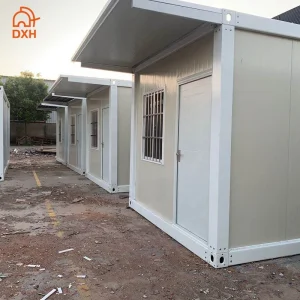
Providing comprehensive medical coverage to peripheral populations in the Negev and Galilee requires decentralized outpatient clinics. Flat-pack modular container units and light-steel structures can be easily transported over challenging terrain. These units arrive fully equipped with electrical systems, plumbing, and wall paneling, ready to function as community primary care offices or emergency clinics.
Adaptable structural components engineered for laboratory, clinical, and staff residency projects.
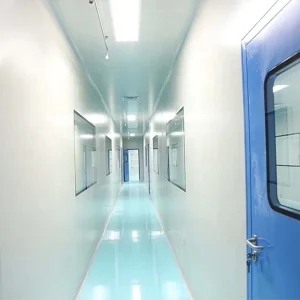
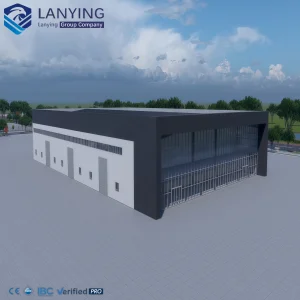
High-durability materials and building science engineered to ensure safety, thermal control, and hygiene.
| Structural System | Material / Engineering Parameter | Israeli / International Compliance Target |
|---|---|---|
| Primary Steel Frame | Q355B / Q235B hot-dip galvanized steel, structural column profiles configured for structural integrity. | IS 1225 (Hot-rolled steel construction code), EN 10025, AWS D1.1 welding standards. |
| Wall & Enclosure Panels | 50mm - 150mm Rockwool or PU (Polyurethane) sandwich panels with 0.5-0.8mm pre-painted steel sheets. Densities ≥ 120kg/m³ for Rockwool. | IS 921 (Reaction to fire of building materials), Class A Non-combustible. |
| Thermal Insulation | U-values ranging from 0.22 to 0.35 W/m²K depending on customized core panel thicknesses. | IS 1045 (Thermal insulation of building envelopes). Suitable for desert climates. |
| Acoustic Isolation | Multi-layered composite partitions yielding sound reduction index (Rw) ≥ 45dB. | Comfort standards suitable for critical clinical recovery wards. |
| Hygienic Wall Coatings | Seamless Antibacterial PVC, epoxy floors with chemical resistance and zero-VOC outgassing. | MOH Standards for operating rooms and patient intensive care areas. |
Foshan Nova Build Co., Ltd. is a professional China modular steel structure manufacturer specializing in the design, engineering, manufacturing, and supply of high-quality prefabricated building solutions for global customers. With years of industry experience, the company has established itself as a reliable partner for industrial, commercial, and residential construction projects worldwide.
Leveraging advanced manufacturing technologies and strict quality control systems, Foshan Nova Build Co., Ltd. offers a comprehensive range of modular steel structure products, including prefabricated steel buildings, modular office buildings, warehouse structures, accommodation camps, commercial buildings, and customized steel construction solutions. Each project is engineered to meet international standards while delivering superior strength, durability, and cost efficiency.
The company operates modern production facilities equipped with advanced fabrication equipment and experienced technical teams. From concept design and structural analysis to manufacturing, packaging, and logistics coordination, Foshan Nova Build provides one-stop services to ensure smooth project execution and timely delivery. Committed to innovation and sustainable construction, the company continuously develops energy-efficient and environmentally friendly building solutions that help customers reduce construction time, labor costs, and material waste.
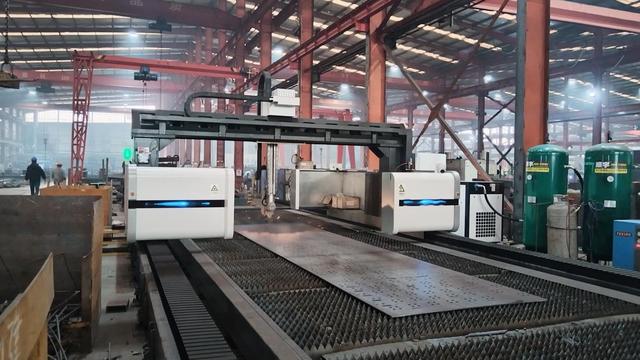
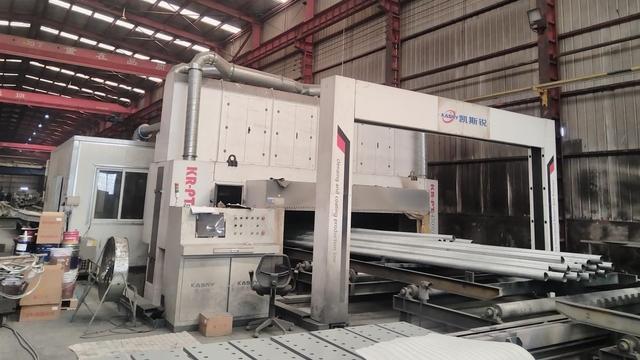
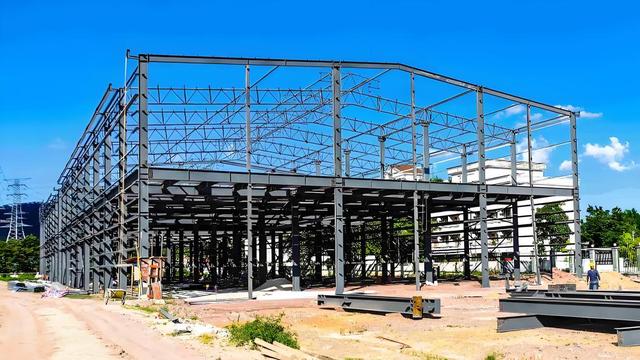
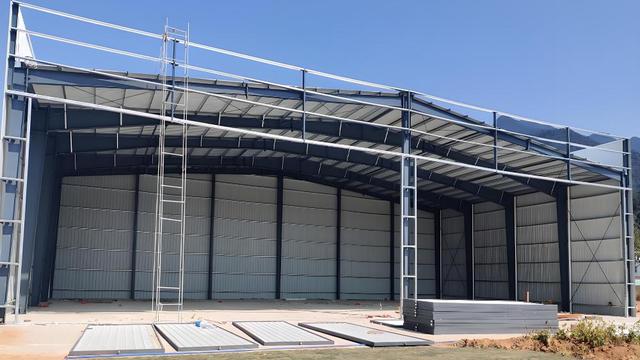
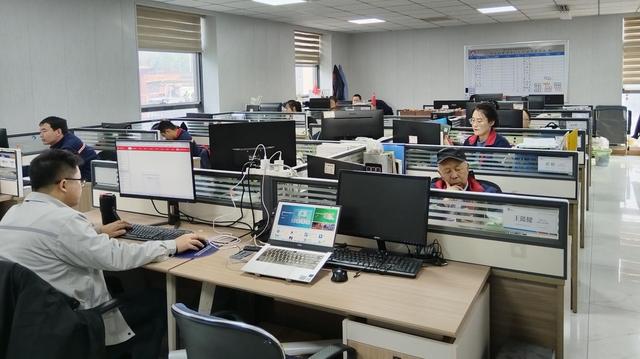
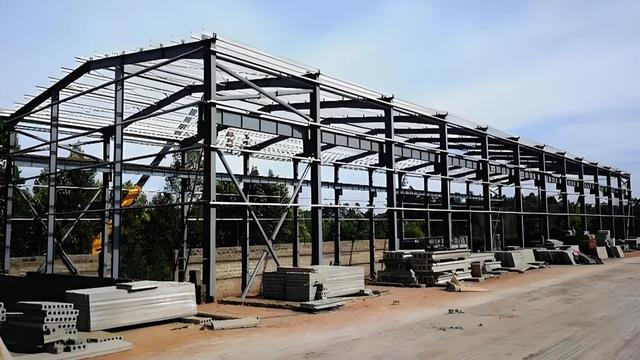
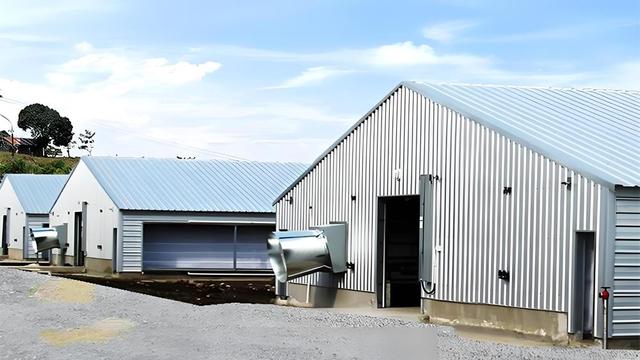
Ensuring a reliable and compliant import pipeline into Israel through regulatory support.
We arrange shipping routes directly to the Ports of Ashdod and Haifa. Our steel modules are securely packed in standardized open-top or flat-rack configurations, preventing structural distortion during sea transit across key maritime routes.
We supply detailed design computations, raw material mill certificates, and welding inspections. This documentation supports local structural engineers in obtaining approvals from the Standard Institution of Israel (SII).
Wall panel designs align with IS 1045, maintaining comfortable interior climates in the Negev region while lowering energy demands on localized HVAC networks.
Heavy steel structures, logistics hubs, and modular accommodation complexes for complete healthcare community facilities.
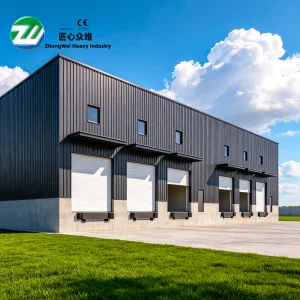
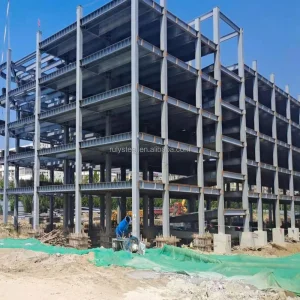
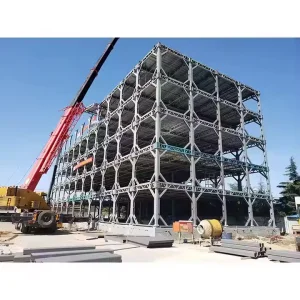
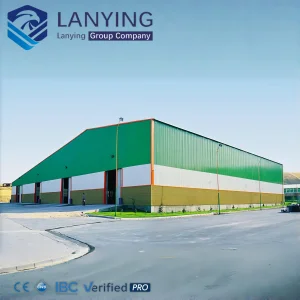
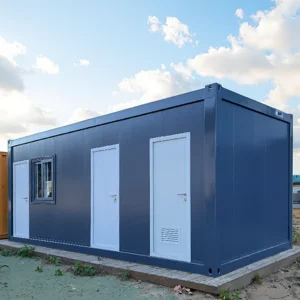
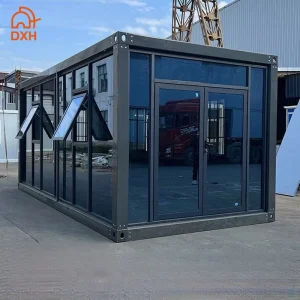
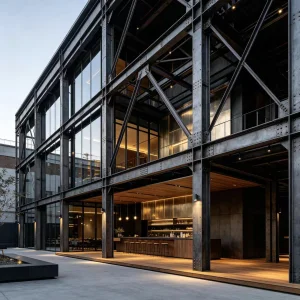
The global construction landscape is adopting modular building models as standard practice rather than alternative solutions. According to structural research, modular healthcare represents one of the fastest-growing niches in industrial prefab, motivated by requirements for rapid isolation wards, sterile surgery suites, and disaster-relief clinics. Developing nations and advanced medical centers worldwide recognize that building steel structures off-site reduces carbon emissions by up to 40% and controls dust pollution—a key risk near operational healthcare environments.
Looking forward, the roadmap for modular construction involves integrating smart IoT sensors into wall panel enclosures to track air sealing, humidity, and heat load patterns. Structurally, advancements in cold-formed and high-strength galvanized steel allow designers to build taller modular structures without heavy support frames, reducing material costs. These configurations position prefabricated systems as a competitive option for high-performance projects globally.
Answers to key regulatory, structural, and import queries regarding modular buildings for the Israeli market.
Consult our engineering and design division to create a compliant, cost-effective, and rapid-deploy solution tailored to your site requirements.
 Nova Build