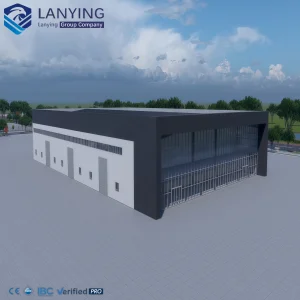
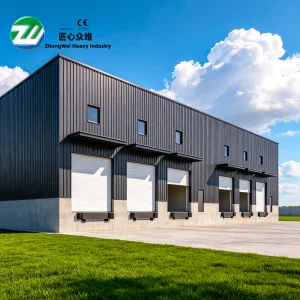
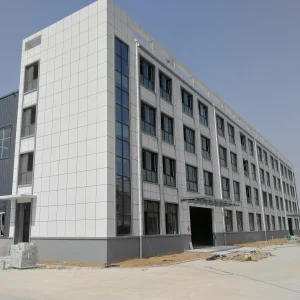
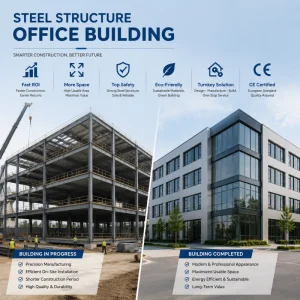
Accelerated site development structures designed to meet urgent space requirements for industrial zones, ports, and commercial offices in Northern Germany.
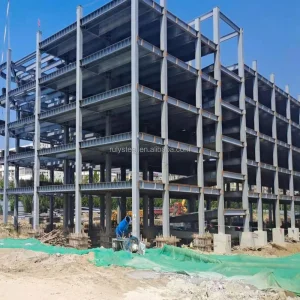
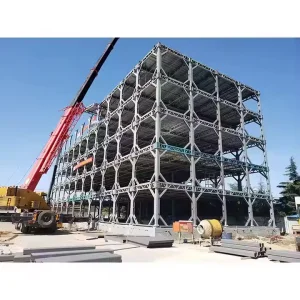
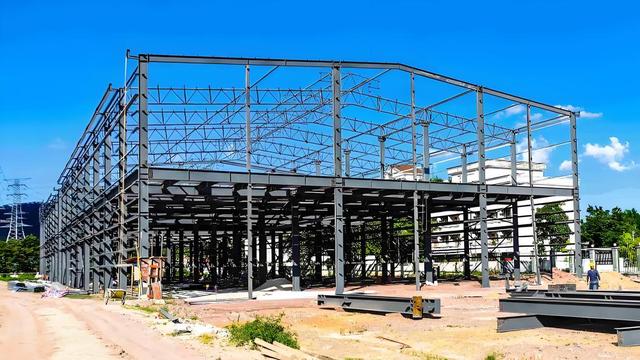
As Germany's primary gateway to global trade and the second-largest metropolitan hub in the country, Hamburg demands cutting-edge infrastructure solutions. Traditional construction methodologies frequently encounter major obstacles, including skilled labor deficits, restrictive inner-city zoning laws, and severe winter weather windows characteristic of the Elbe river basin. In response, modern modular steel frame architecture has transitioned from a temporary option to a primary choice for commercial developers, port authorities, and municipal agencies.
The city's major development zones, such as the Port of Hamburg, Harburg, and Altona, require adaptable spatial configurations. Modular building manufacturers provide the necessary speed and structural predictability to meet these demands. By shifting up to 90% of structural assembly to off-site factories, projects are delivered in a fraction of the time, dramatically reducing environmental impact and minimizing local disruption in dense commercial sectors.
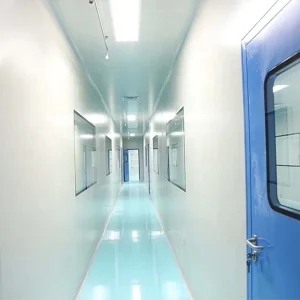
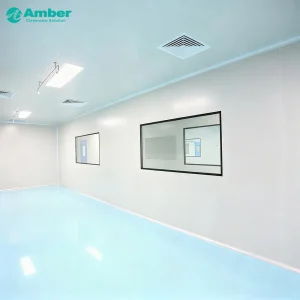
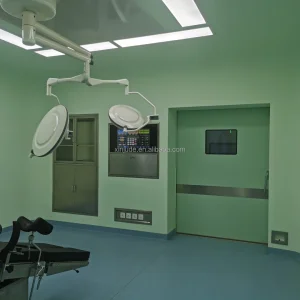
In addition to administrative workspace, Hamburg’s medical complexes, biological research institutions, and research clinics require rapidly deployable spatial solutions. Integrating custom modular clinic facilities and advanced clean-room systems offers a fast path to expanding emergency wards, intensive care environments, and laboratory workspaces.
These modular clinical structures incorporate specialized technical systems, including HEPA filtration networks, specialized pressure seals, and anti-microbial wall systems. When medical institutions face sudden demand spikes or major facility renovations, off-site pre-engineered clinical modules can be positioned and integrated with minimal disruption to ongoing operations.
Furthermore, these healthcare assemblies are structurally engineered to handle specialized medical hardware. The steel frames are designed to meet structural load limits required for MRI machines and heavy surgical apparatus, ensuring long-term durability and safety.
Importing modular structures into Germany requires meticulous compliance with structural, thermal, and acoustic regulations. Below is the blueprint of how Foshan Nova Build Co., Ltd. satisfies these strict expectations.
Structural analysis is performed using finite element software based on Eurocode 3 (structural steel design) and Eurocode 1 (actions on structures). Designs account for Wind Zone 2 and 3 conditions prevalent in coastal Northern Germany.
Insulated exterior envelopes utilize polyurethane (PU) or rockwool sandwich panels. This setup achieves U-values under 0.20 W/(m²·K), complying with the latest Gebäudeenergiegesetz (GEG) standards for sustainable operation.
Steel components are factory-coated with fire-retardant materials to meet DIN 4102 / EN 13501-1 standards (F30 to F90 rating). Interior wall layouts are optimized to provide acoustic sound reduction of up to 45dB between office zones.
All structural calculation packages generated by our design team are prepared for submission to German structural engineering verifiers (Prüfingenieur für Baustatik). This ensures a smooth licensing and permitting path with the Hamburg Bauamt (Building Authority).
Leveraging the manufacturing efficiency of Foshan, China's premier steel fabrication region, to deliver cost-effective and structurally advanced buildings directly to the Port of Hamburg.
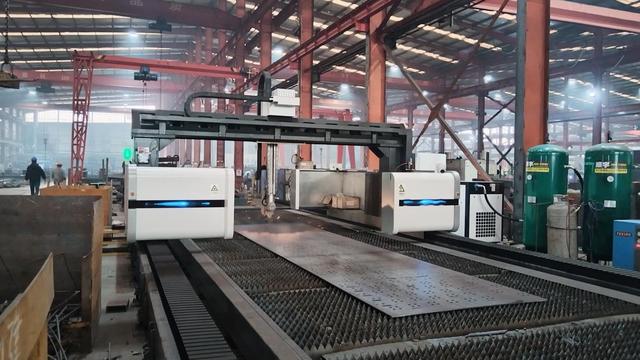
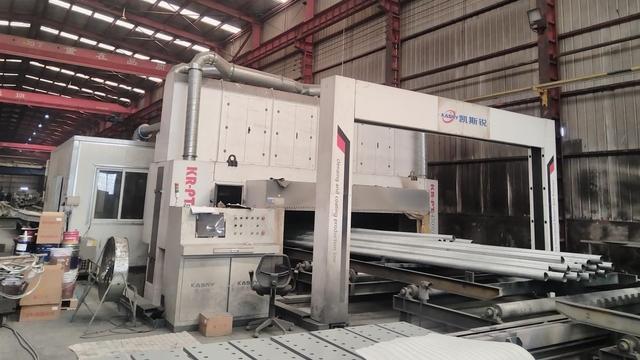
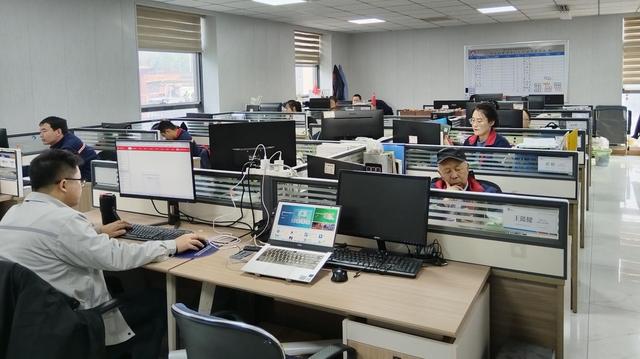
Foshan Nova Build Co., Ltd. operates a highly advanced facility equipped with automated welding lines, CNC plasma cutters, and precision fabrication tools. Our quality management system maintains ISO 9001 and ISO 14001 certifications. Each steel component undergoes strict ultrasonic testing (UT) and magnetic particle testing (MT) to ensure flaw-free structural welds before leaving the factory floor.
By centralizing design, raw material sourcing, and manufacturing under one roof, we eliminate intermediate supply steps. This integrated production flow allows us to offer competitive pricing without compromising on material grade or structural thickness.
We handle all logistics steps to ensure safe delivery to Hamburg. Components are pre-packaged as flat-pack systems or shipping containers to maximize volume and reduce maritime freight costs. We work with leading ocean carriers to secure direct routes from Guangzhou/Shenzhen ports straight to Hamburg (HHLA Terminals).
Each package is clearly labeled with barcode identification systems that sync with structural assembly drawings, enabling efficient, organized unpacking and assembly at the job site.
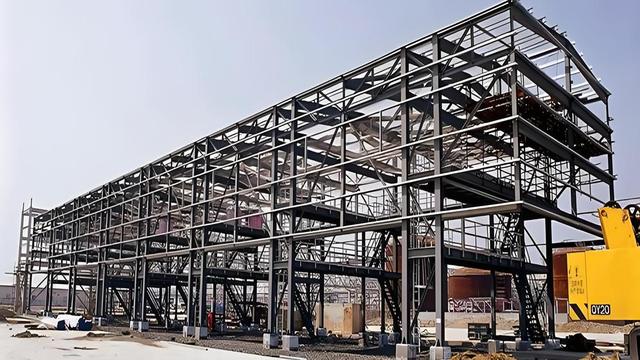
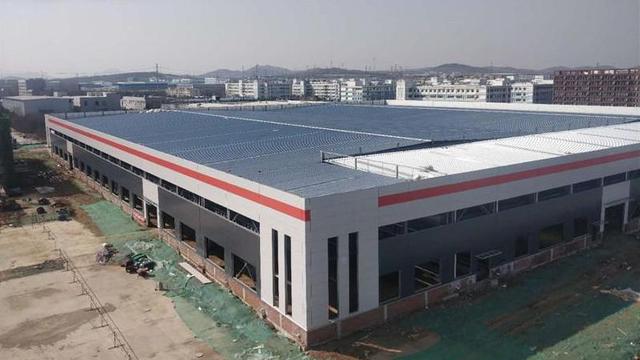
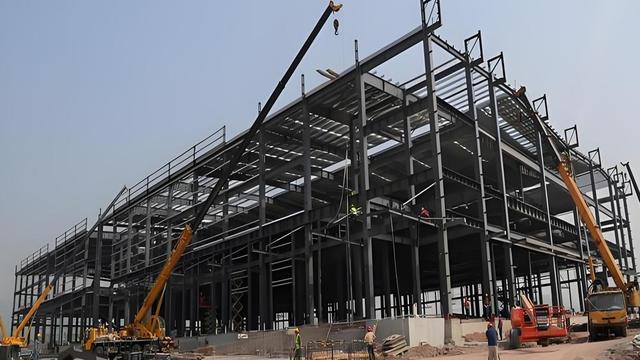
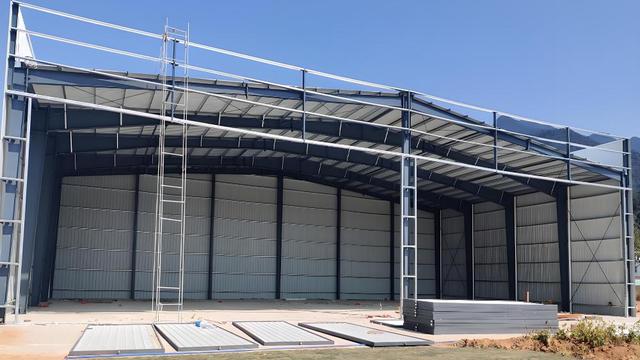
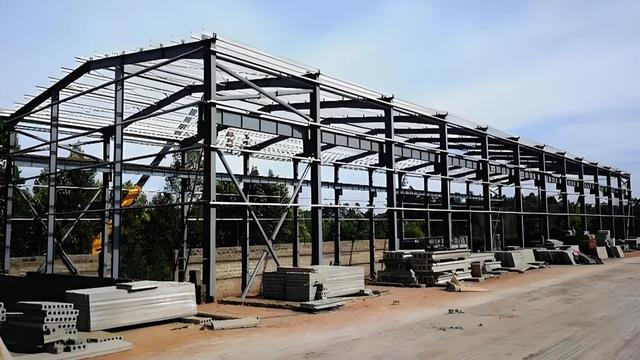
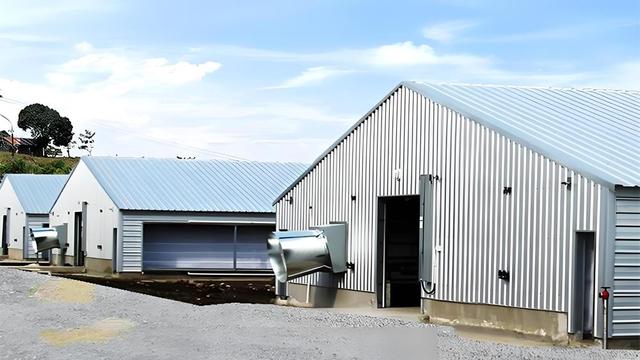
Take a virtual tour of Foshan Nova Build Co., Ltd.'s modern production plant, demonstrating precision manufacturing, component quality checks, and logistics packaging.
Our engineering roadmap for the 2025–2030 period prioritizes high-efficiency systems, green design, and smart building features.
Integrating low-embodied-carbon structural steel and bio-based wall insulation core materials to align with the city of Hamburg's net-zero carbon goals.
Developing 100% compliant Building Information Modeling (BIM) files to enable direct, seamless integration into Hamburg developers' design workflows.
Implementing reversible mechanical assembly systems, allowing steel modules to be relocated or recycled with zero material waste at end-of-use.
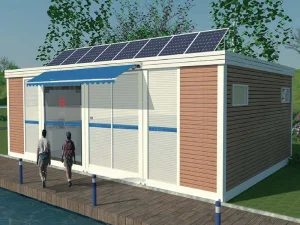
Explore our range of modular solutions, including operating theatres, clean rooms, residential blocks, and site offices engineered for various project requirements.
Addressing key considerations for architectural approvals, shipping coordination, and installation in Hamburg.
Our engineering team designs all structures from the ground up according to Eurocode 3 (steel member sizing) and Eurocode 8 (seismic loading criteria). Thermal calculation packages utilize advanced insulation systems to comply with the latest Gebäudeenergiegesetz (GEG) standards. We supply comprehensive engineering calculation files to local German structural verifiers (Prüfstatiker) for verification and approval.
The typical maritime shipping window from our southern China facility to the Hamburg Port (HHLA/Eurogate terminals) ranges between 28 and 35 transit days. Manufacturing and assembly verification at our facility requires an additional 30 to 45 days, depending on project scale and design complexity.
Yes. The structural steel members are fabricated using Q355B or Q420 structural steel, coated with robust corrosion resistance systems (such as hot-dip galvanization and marine-grade epoxy coatings). They are engineered to comfortably withstand Northern Germany's Wind Zone 2/3 wind loads and localized snow loading requirements.
We supply comprehensive structural foundation plans, three-dimensional step-by-step assembly guides, and detailed structural blueprints. For larger commercial projects, we can send field engineering representatives to advise local installation crews, ensuring accurate assembly and compliance with site plans.
Yes. Our modular clean room components are designed to satisfy GMP and ISO standards (ranging from ISO class 5 to ISO class 8). They feature air filtration networks (HEPA), integrated utility runs, smooth antimicrobial interior surfaces, and reliable pressure control doors, meeting the technical requirements of German pharmaceutical and clinical laboratories.
Partner with Foshan Nova Build Co., Ltd. for reliable, cost-effective, and fully certified modular building solutions tailored to the German market.
Send Inquiry Now Nova Build