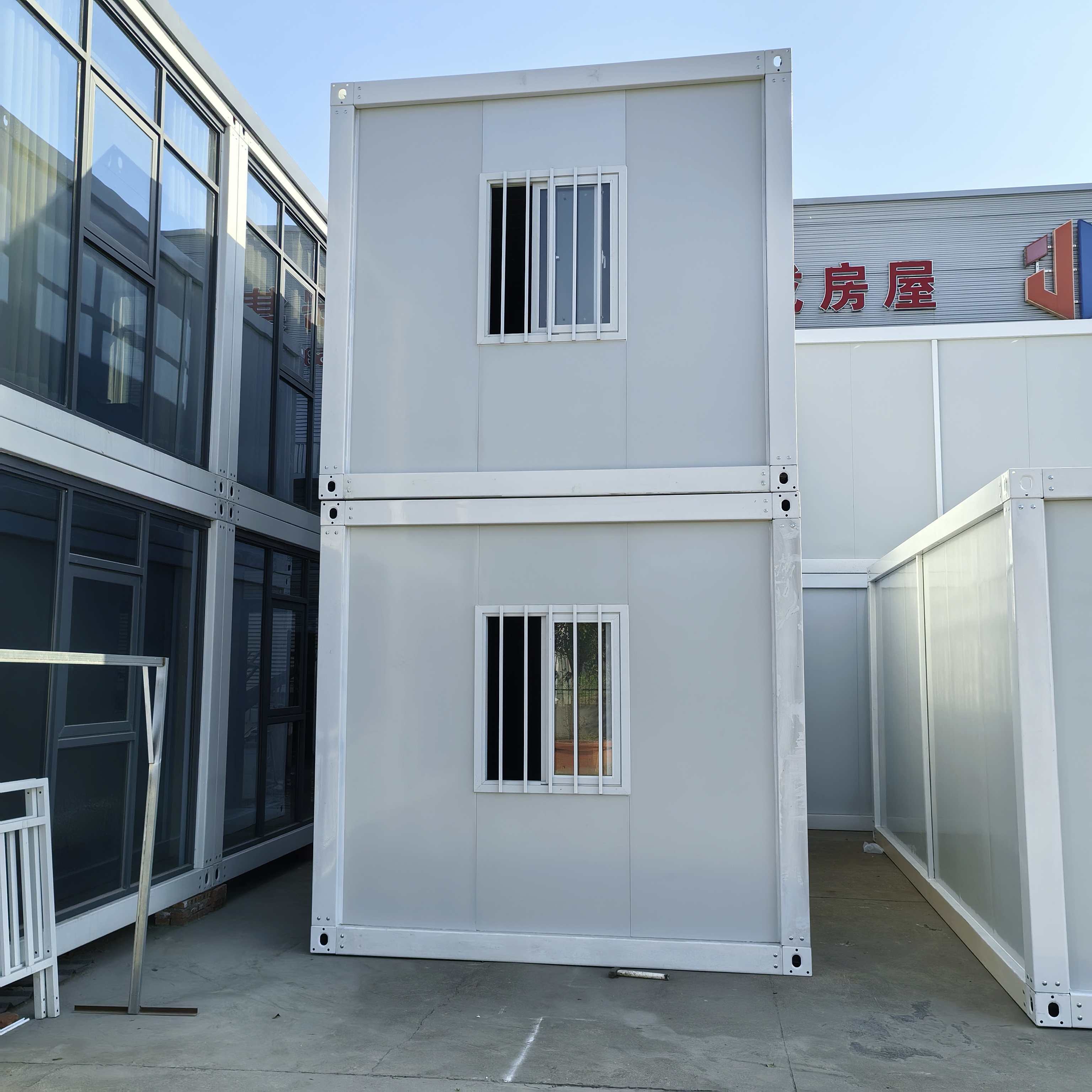
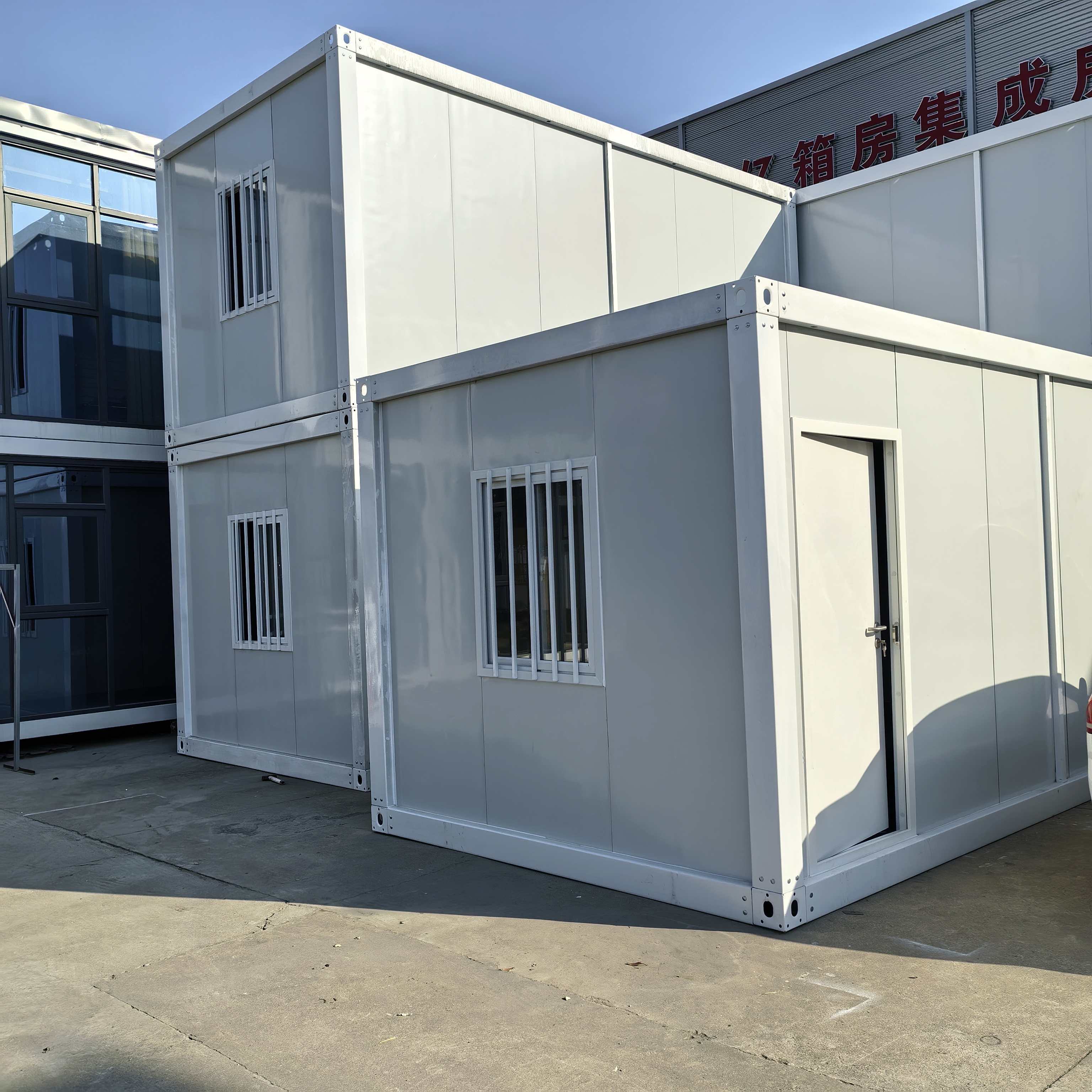
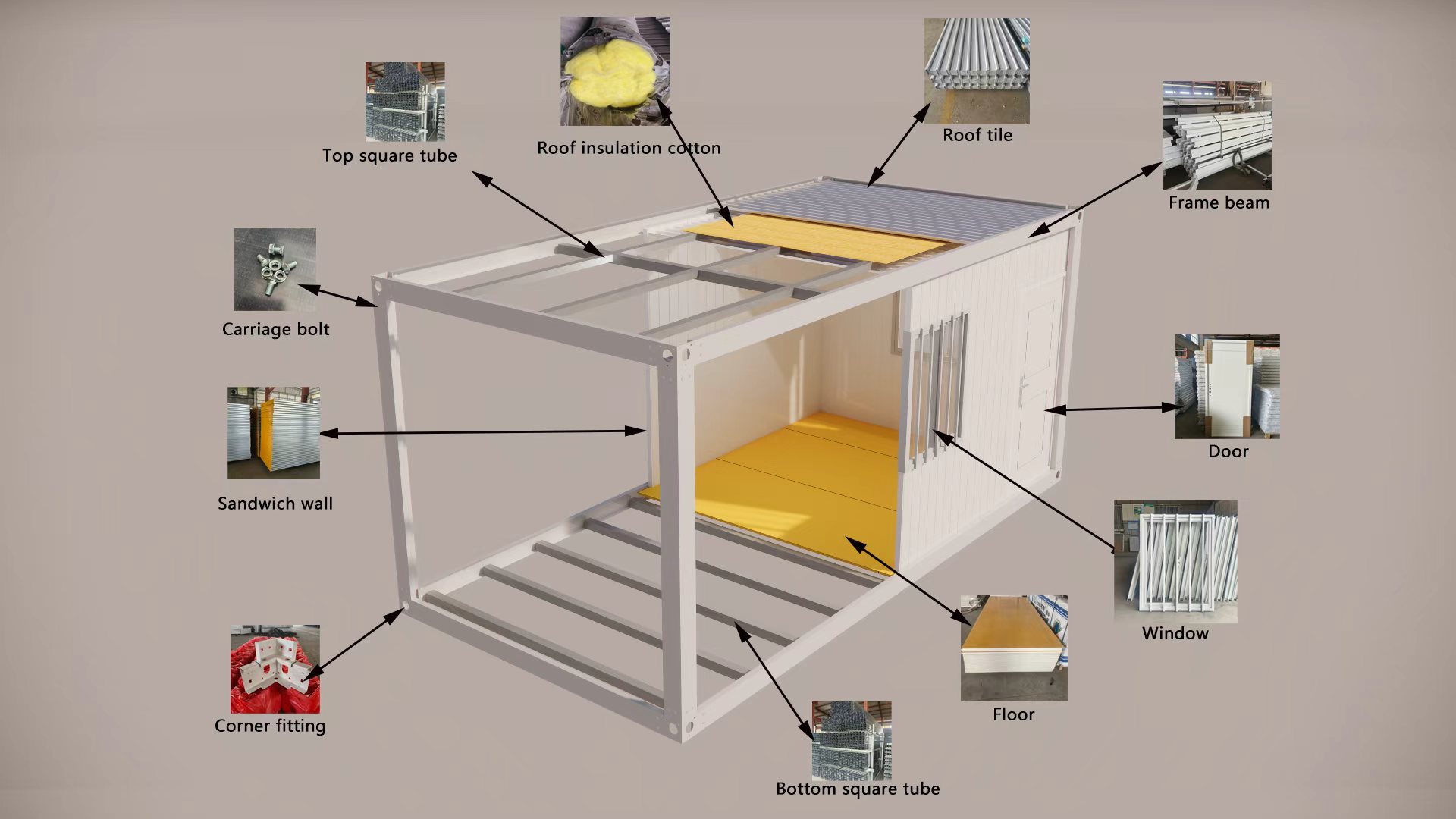
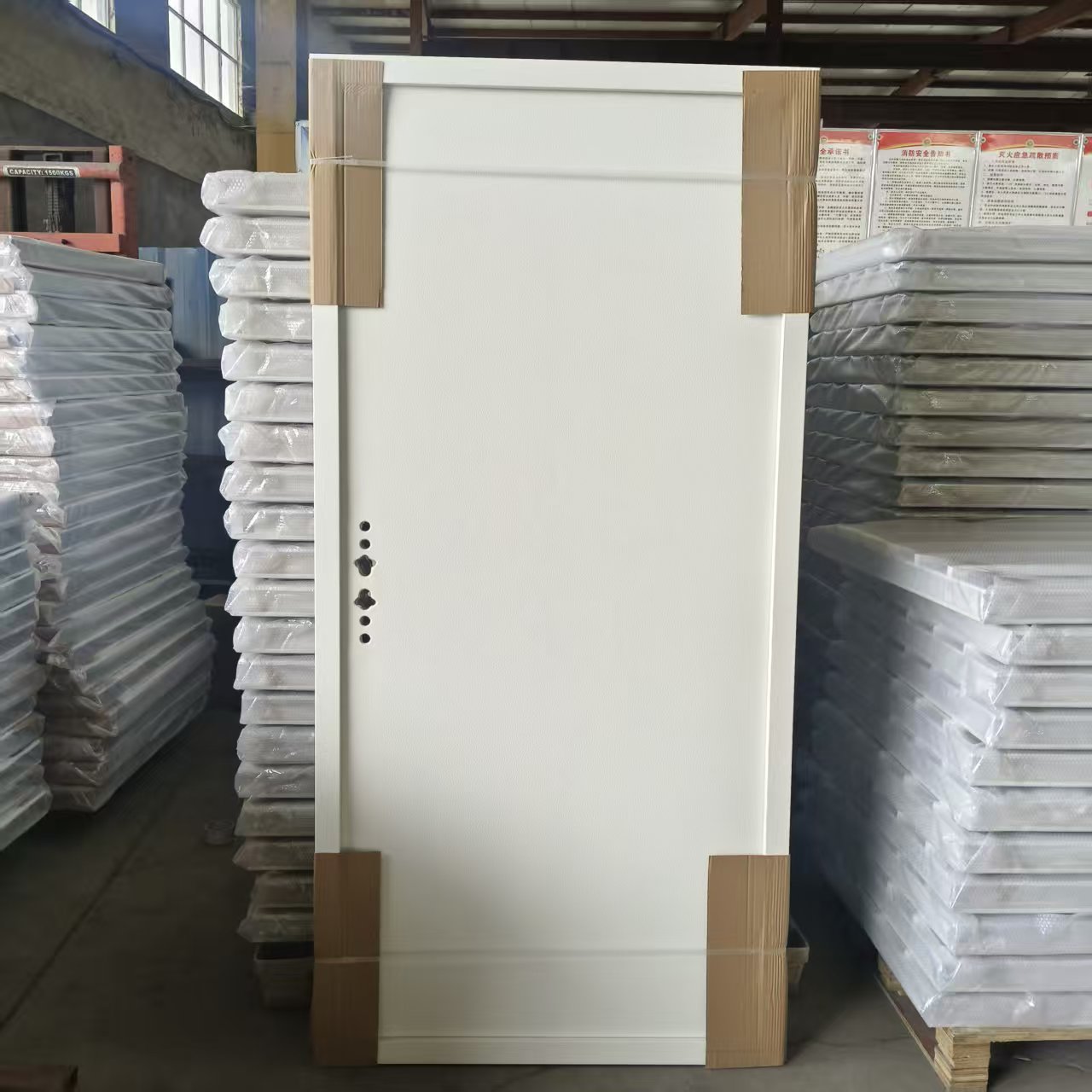
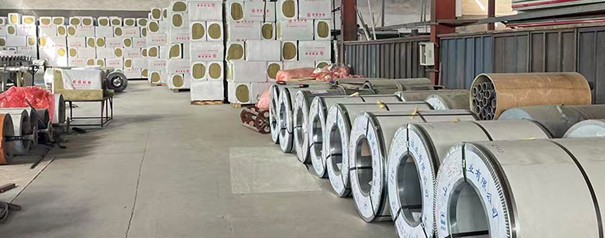
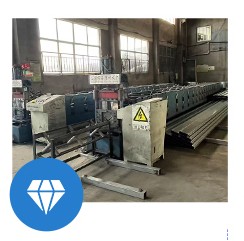
Steel: Q235B Stainless Steel, 2.3mm
Q235B has certain elongation, strength, good toughness and castability, easy to punch and weld, and is widely used in the manufacture of general mechanical parts. It is mainly used for welded structural parts with high quality requirements in construction and bridge engineering.
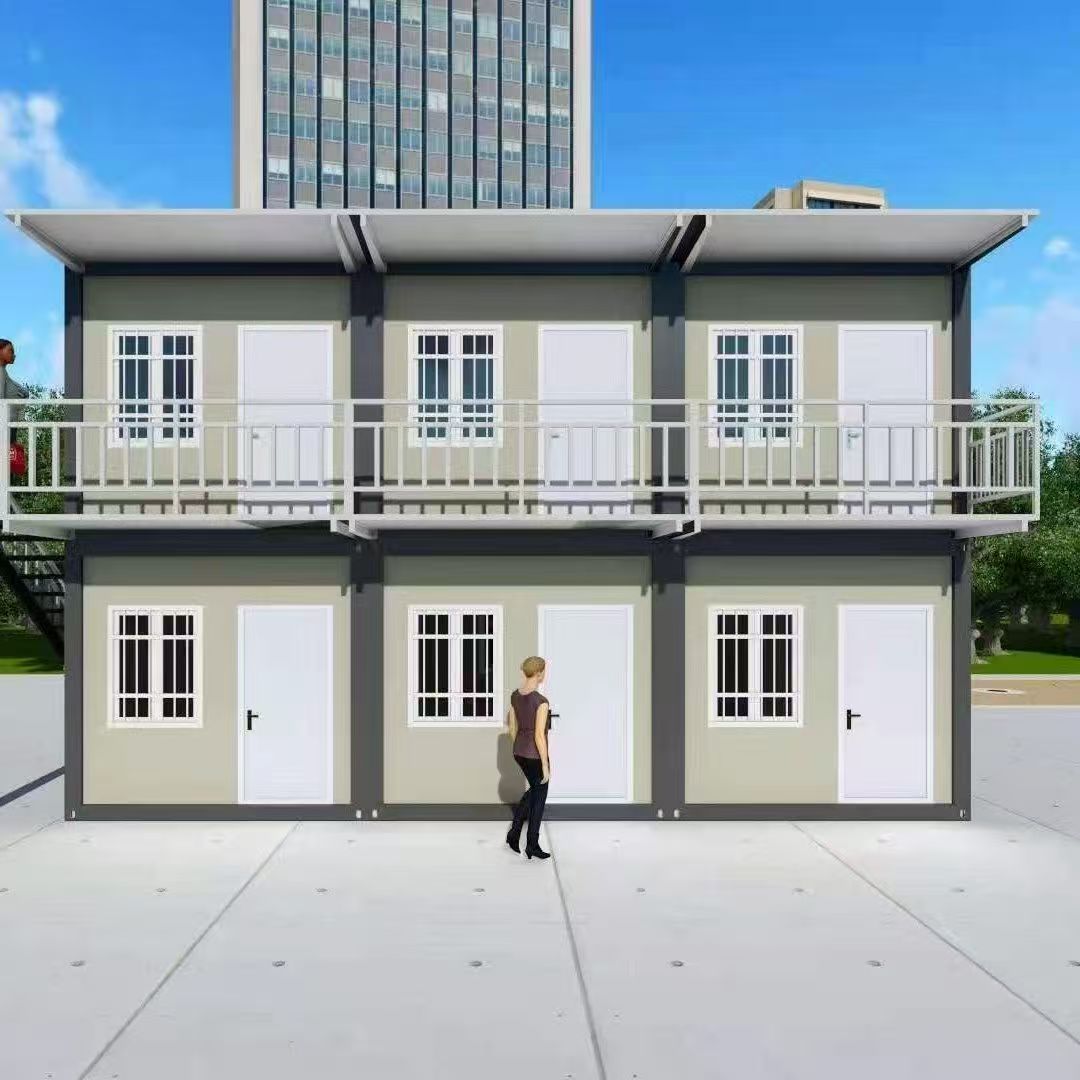
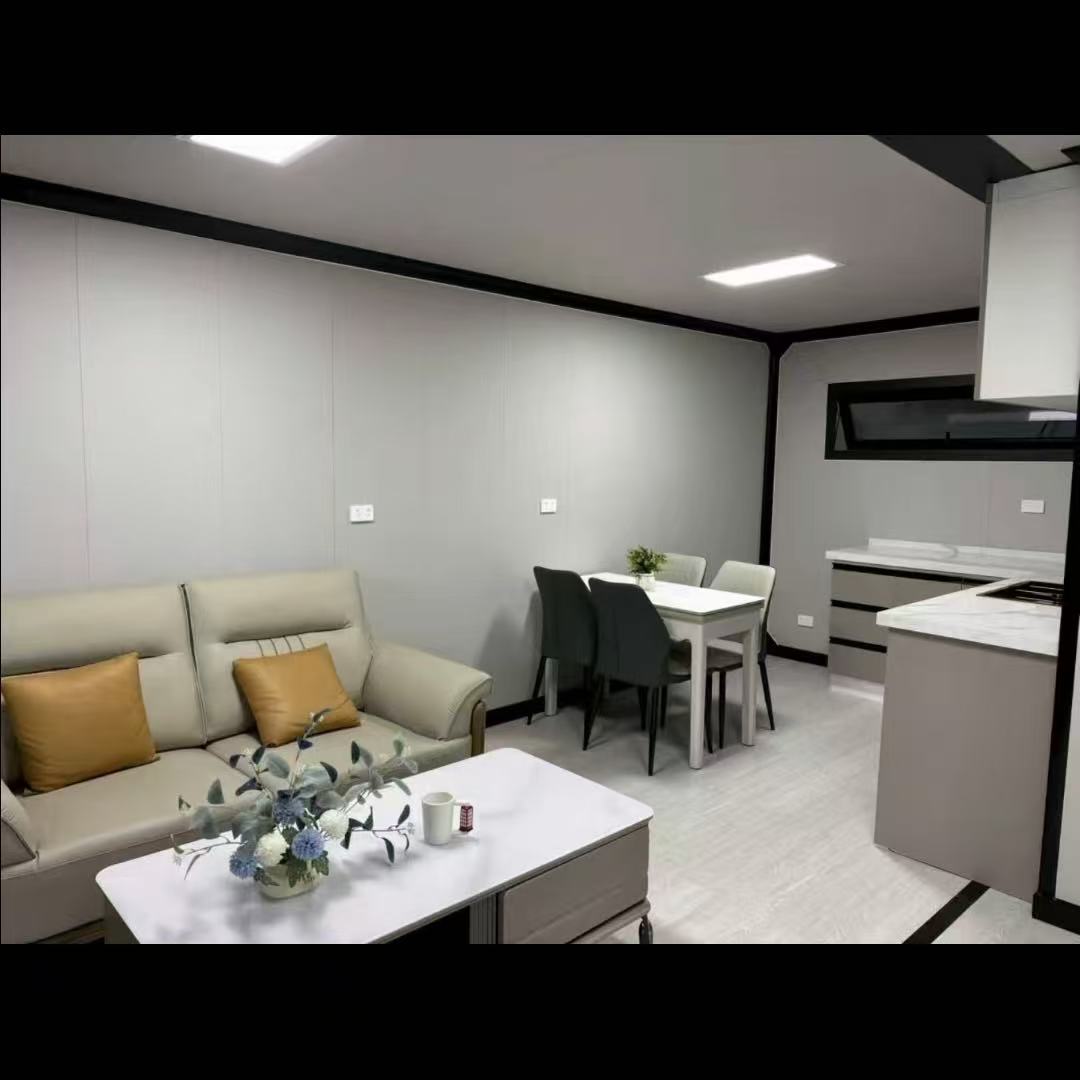
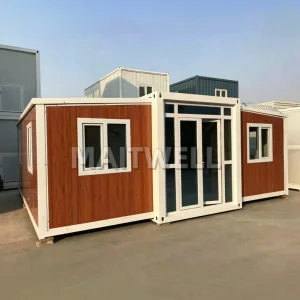
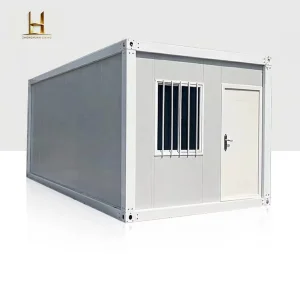
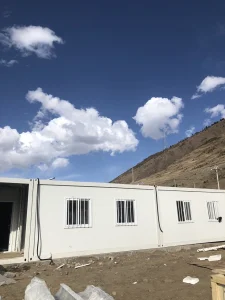
We primarily engage in the design, production, and sales of modular and quick-assembly container houses. With extensive experience in the container housing industry, our main products include quick-assembly container houses, flat-packaged container houses, modular container houses, foldable container houses, and expandable container houses.
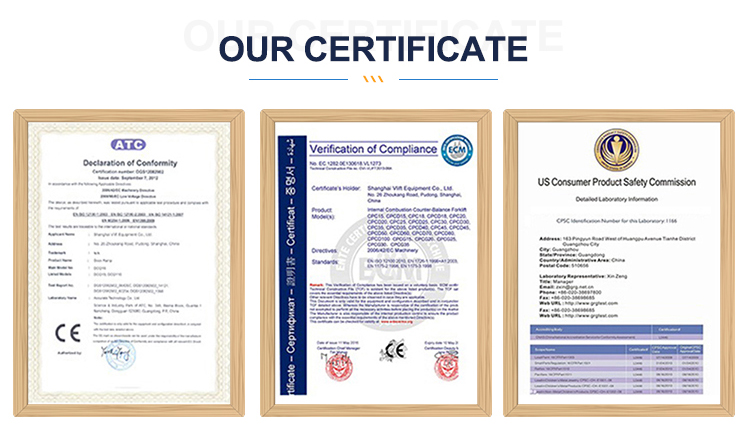
In addition, we are committed to developing new products to meet diverse customer needs. We possess relevant inspection equipment to strictly control product quality. Adhering to the principle of mutual benefit, we have earned a strong reputation among our clients by providing professional services, high-quality products, and competitive prices. We warmly welcome domestic and international clients to collaborate with us for shared success.
Product satisfaction is the core-only good product quality can make customers feel at ease. Customer satisfaction is the goal-only when customers are satisfied can a company achieve profitability, which then enables further investment in business development, creating a continuous cycle. By relying on and respecting employees, we win their loyalty and respect for the company; with top-tier quality and excellent service, we earn the respect of customers; through technological and performance leadership, we gain the admiration of peers; and by embracing environmental responsibility and actively fulfilling social obligations, we earn the respect of society. The company's mission is to provide customers with high-quality, high-performance, and highly reliable products and services, continuously advancing industry technology and progress to create greater value for society. Upholding the corporate culture philosophy of "People-oriented, Integrity in Business, Pursuit of Excellence, and Building a Shared Future," the company prioritizes employee career development and personal growth, offering extensive opportunities for advancement and a favorable work environment. It encourages innovation and practical application, fostering continuous improvement in professional expertise and comprehensive capabilities.
Are container houses legal to live in?
Yes, but legality varies by location. Most regions require compliance with local building codes, zoning laws, and safety standards (e.g., fire safety, insulation, ventilation). It’s essential to obtain necessary permits from local authorities before construction. Some areas have specific regulations for repurposed shipping containers, so consulting a local building department or legal expert is recommended.
How durable are container houses?
Shipping containers are designed to withstand harsh marine conditions, making container houses extremely durable. They are typically made of corrosion-resistant corten steel, which can last 20–30 years or more with proper maintenance (e.g., rust prevention, sealing). They can resist strong winds (up to 120 mph in most cases), heavy rain, and even moderate earthquakes when properly reinforced.
Can container houses be customized?
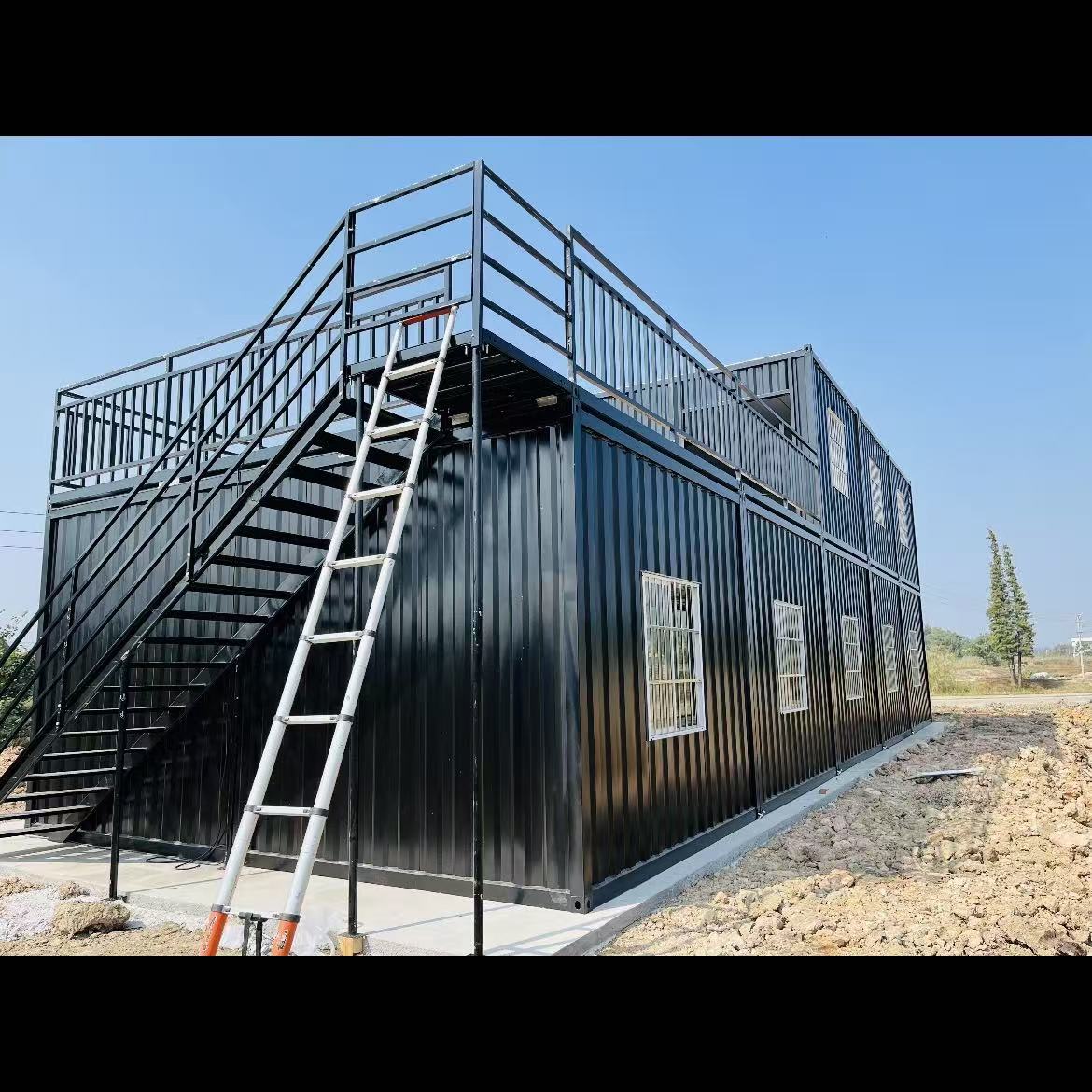
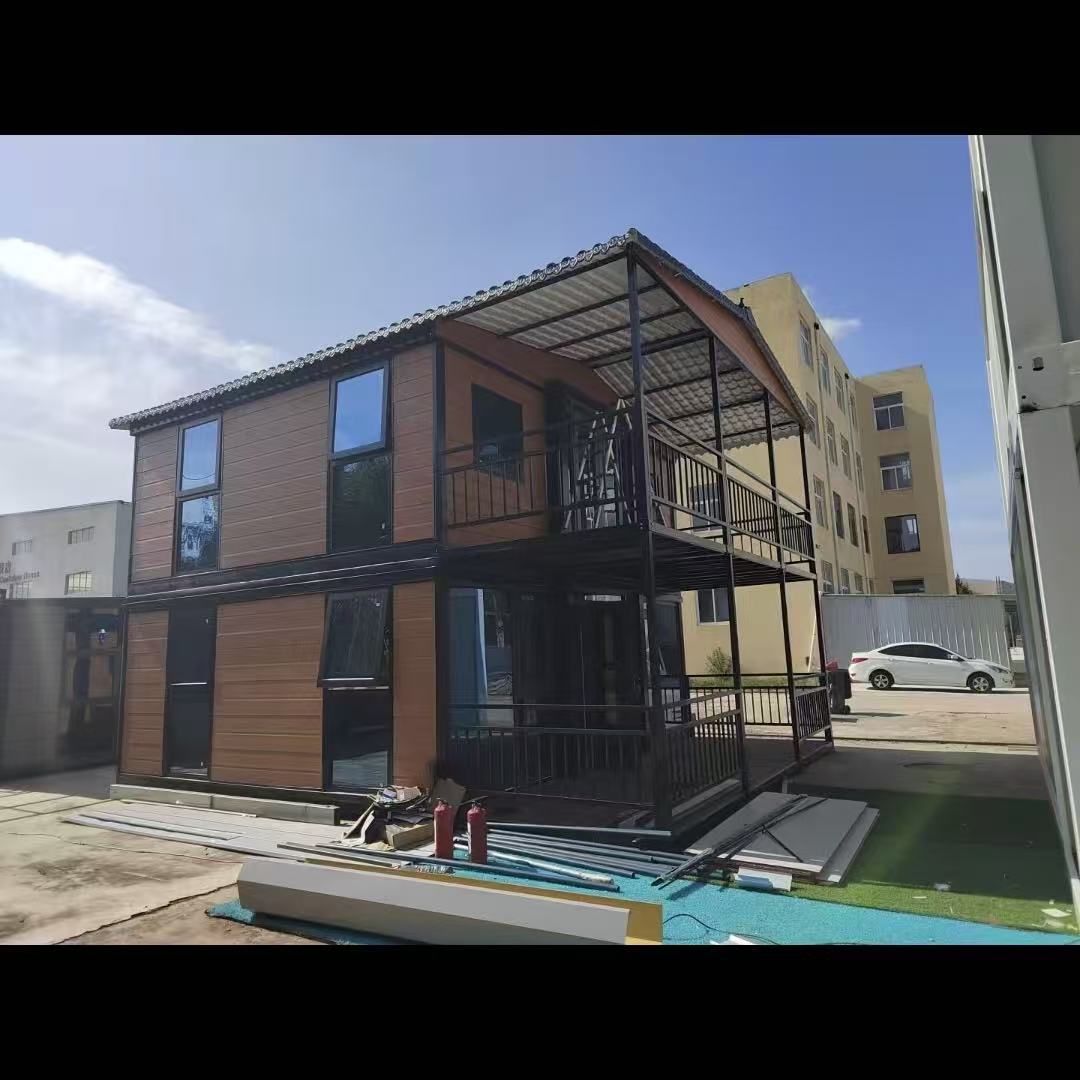
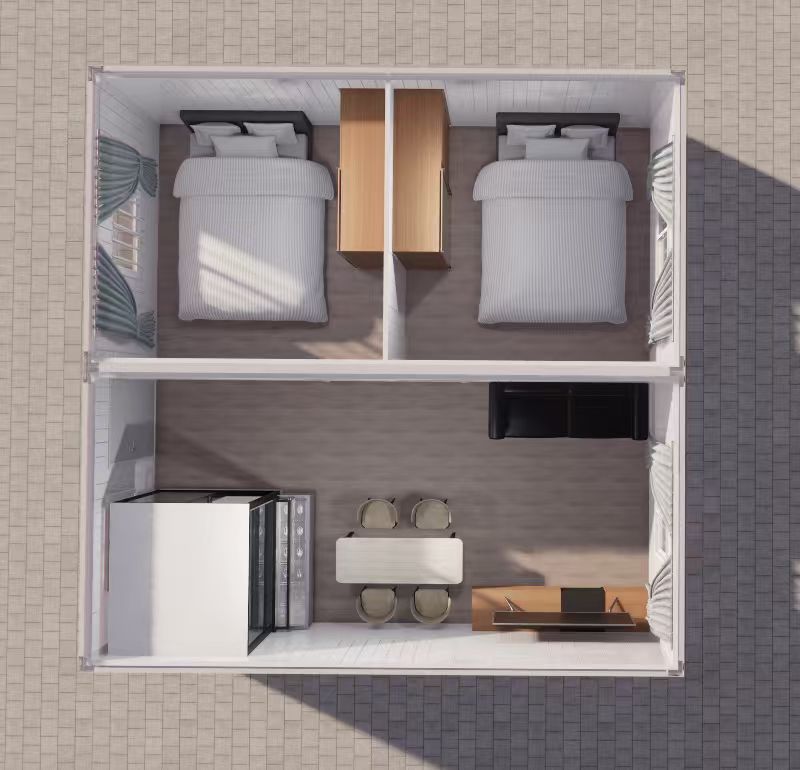
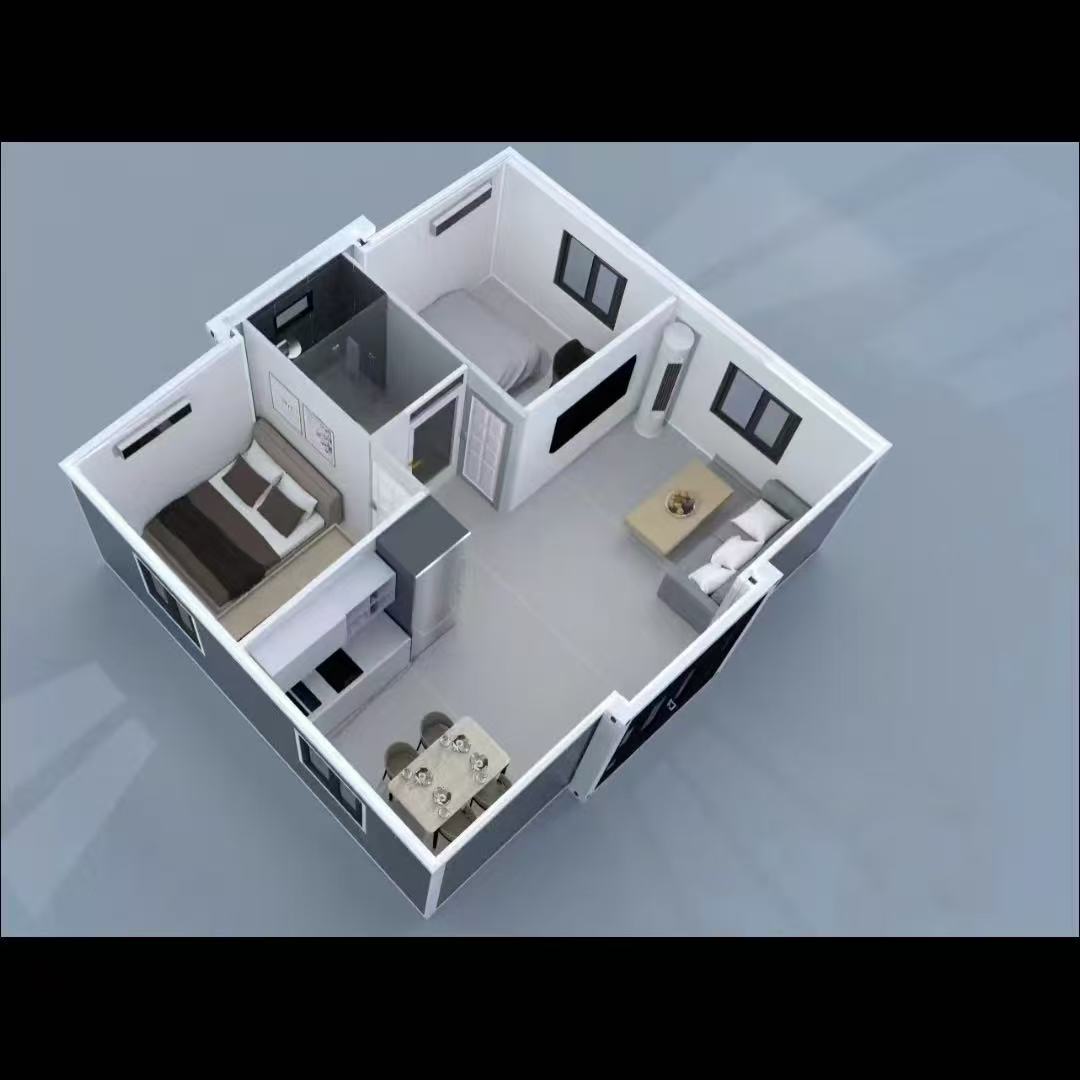
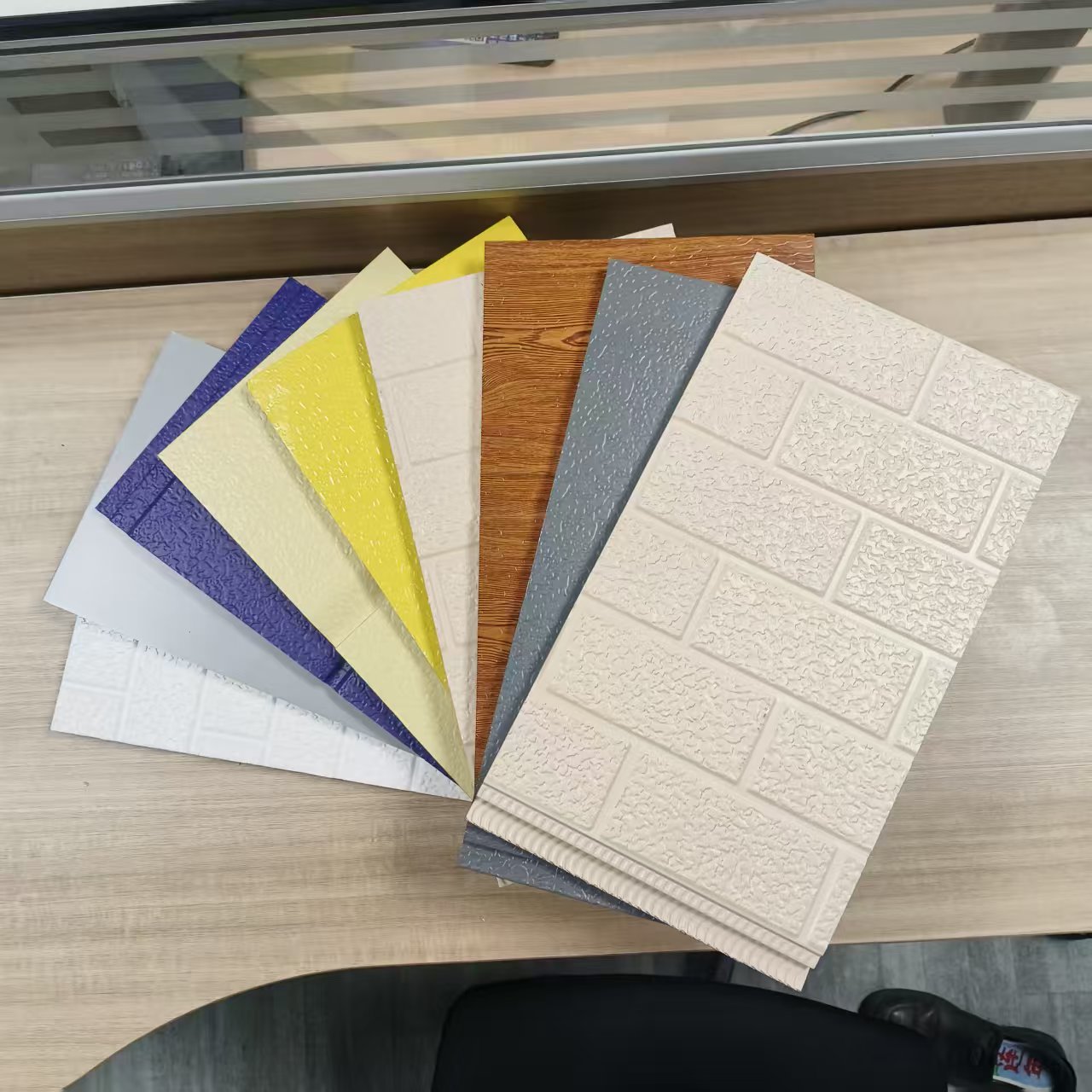
Absolutely. Container houses offer high customization flexibility. You can modify them by cutting openings for windows/doors, adding insulation (spray foam, fiberglass, or wool), partitioning interior spaces, installing plumbing/electrical systems, and adding exterior cladding (wood, metal, or vinyl) for aesthetic appeal. They can also be stacked or joined together to create larger spaces (e.g., 2-story homes, offices, or multi-unit buildings).
What is the maintenance requirement for container houses?
Routine maintenance is relatively simple. Key tasks include: inspecting for rust (especially around cuts, welds, and corners) and touching up with anti-rust paint; checking and sealing gaps around windows/doors to prevent water leakage; maintaining the foundation (concrete slab, piers, etc.) to avoid shifting; and servicing plumbing/electrical systems regularly. With proper care, maintenance costs are generally lower than those of traditional houses.
Are container houses cost-effective compared to traditional housing?
Yes, container houses are generally more affordable and quicker to build than traditional concrete or brick-and-mortar homes. Since the main structural frame is already built, it saves on raw construction materials and labor costs, making it a highly cost-efficient solution for modern housing.
How are container houses insulated for extreme temperatures?
Proper insulation is critical. We use high-quality insulation materials such as rock wool, fiberglass, or polyurethane spray foam within the walls and ceilings. This ensures excellent thermal performance, keeping the interior warm during cold winters and cool during hot summers.
 Nova Build