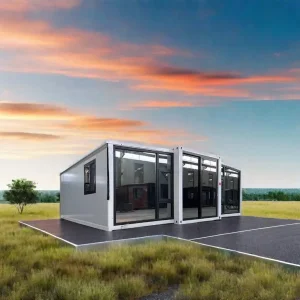
Engineered configurations meeting global compliance, structural integrity, and optimized construction schedules.
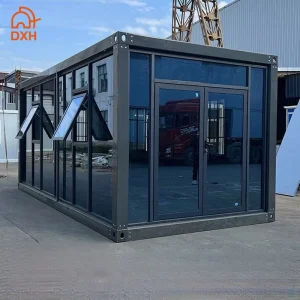
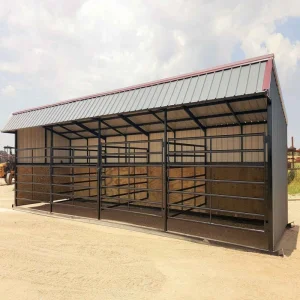
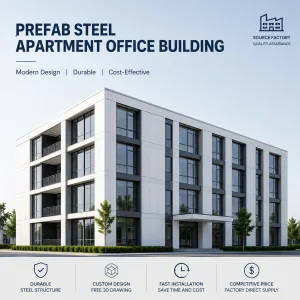
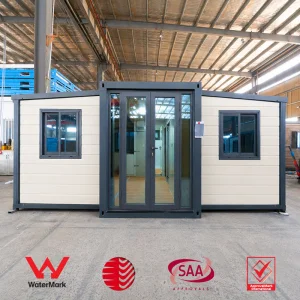
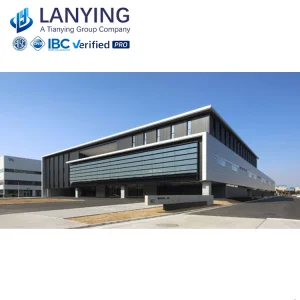
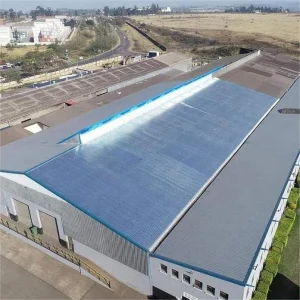
How industrial cluster benefits, advanced metallurgy, and digital workflow optimization place Chinese manufacturing at the forefront of the global infrastructure transition.
By clustering structural steel plants, insulation foam manufacturers, glass factories, and electronic fitting providers within key economic development zones, Chinese factories reduce intermediate logistics, ensuring faster turnaround times and zero supply-chain bottlenecks.
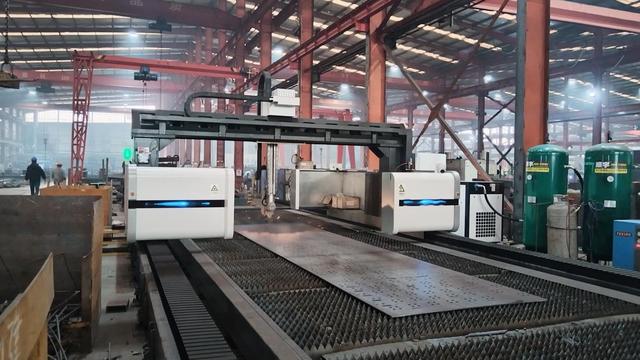
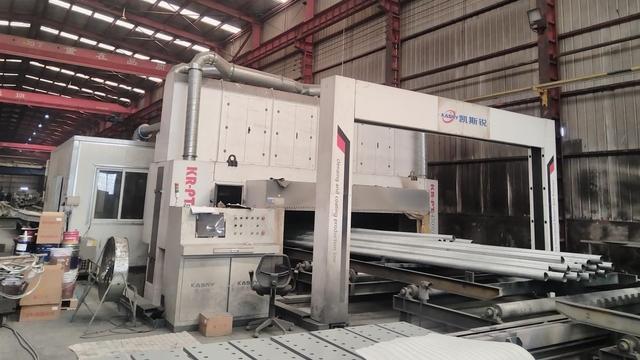
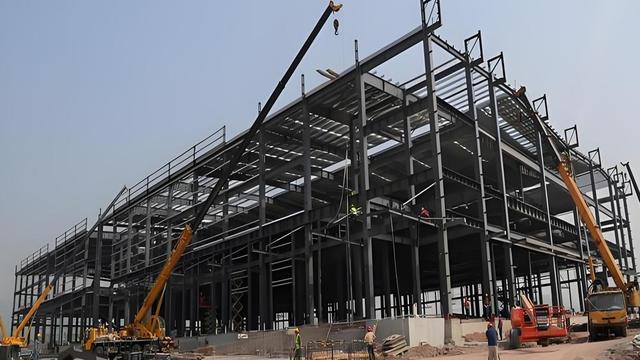
Utilizing high-grade Q235B and Q355B structural steel along with automated CNC laser cutting, robot-assisted welding, and advanced hot-dip galvanization processes, structures withstand severe seismic activities, high wind pressures, and aggressive corrosive environments.
Adopting Building Information Modeling (BIM) from pre-construction conceptualization through fabrication allows for seamless spatial planning, clash detection, and exact architectural component alignment before containerized logistics are initiated.
Foshan Nova Build Co., Ltd. is a professional China modular steel structure manufacturer specializing in the design, engineering, manufacturing, and supply of high-quality prefabricated building solutions for global customers. With years of industry experience, the company has established itself as a reliable partner for industrial, commercial, and residential construction projects worldwide.
Leveraging advanced manufacturing technologies and strict quality control systems, Foshan Nova Build Co., Ltd. offers a comprehensive range of modular steel structure products, including prefabricated steel buildings, modular office buildings, warehouse structures, accommodation camps, commercial buildings, and customized steel construction solutions. Each project is engineered to meet international standards while delivering superior strength, durability, and cost efficiency.
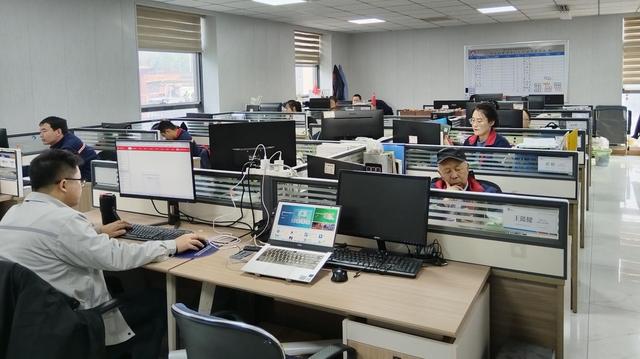
The company operates modern production facilities equipped with advanced fabrication equipment and experienced technical teams. From concept design and structural analysis to manufacturing, packaging, and logistics coordination, Foshan Nova Build provides one-stop services to ensure smooth project execution and timely delivery.
Committed to innovation and sustainable construction, the company continuously develops energy-efficient and environmentally friendly building solutions that help customers reduce construction time, labor costs, and material waste. Its modular construction systems are widely used in industrial plants, warehouses, mining camps, educational facilities, healthcare centers, and temporary or permanent commercial spaces.
Guided by the principles of quality, integrity, and customer satisfaction, Foshan Nova Build Co., Ltd. has earned the trust of clients across Asia, Europe, the Middle East, Africa, and the Americas. The company remains dedicated to delivering customized prefabricated building solutions that create long-term value for partners worldwide.
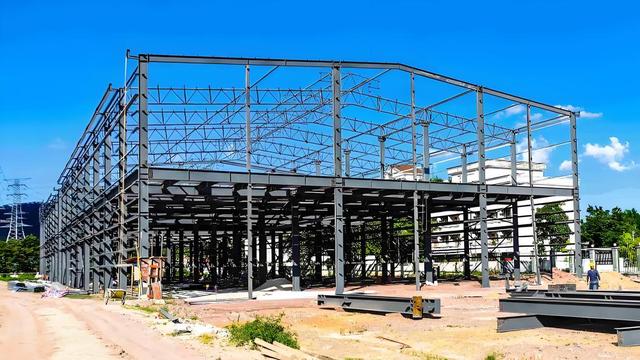
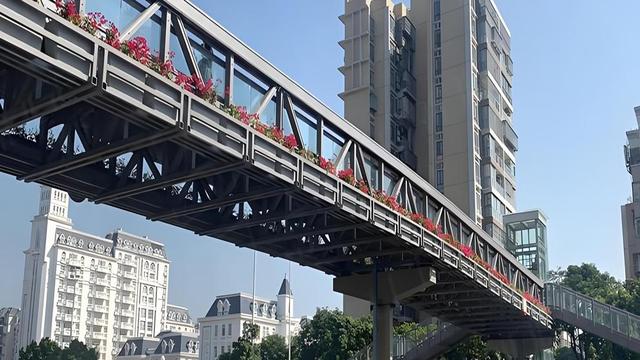
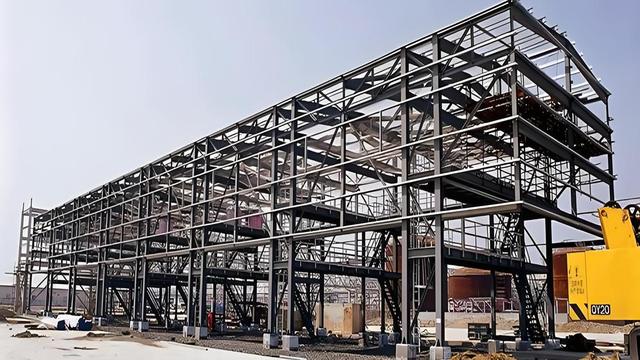
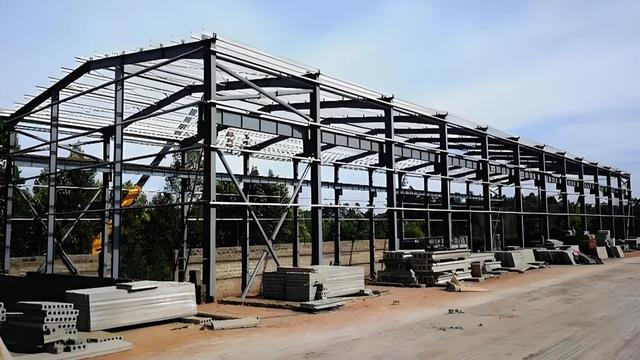
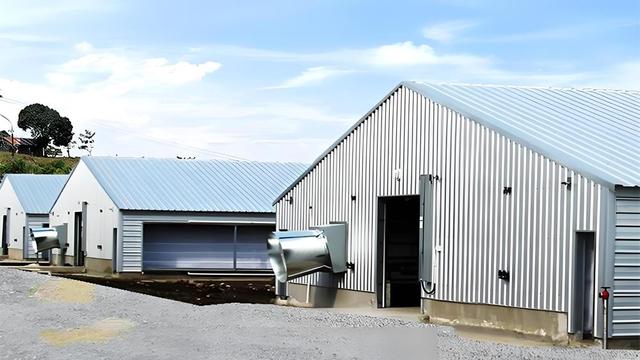
From disaster relief infrastructure to modern multi-story residential housing, integrated modular steel structures offer versatility across diverse geographies.
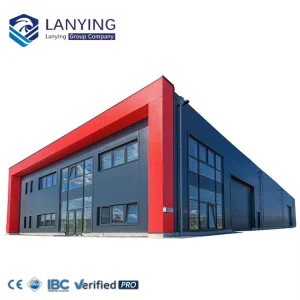
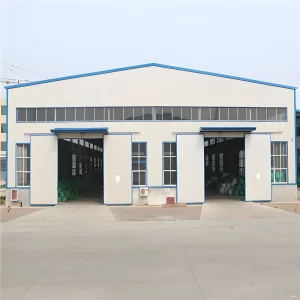
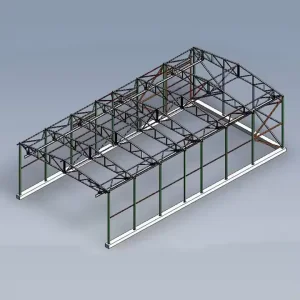
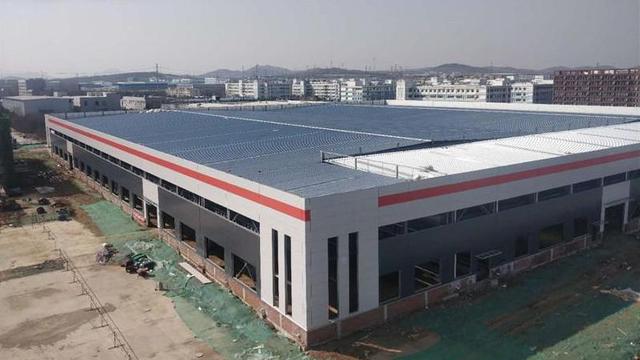
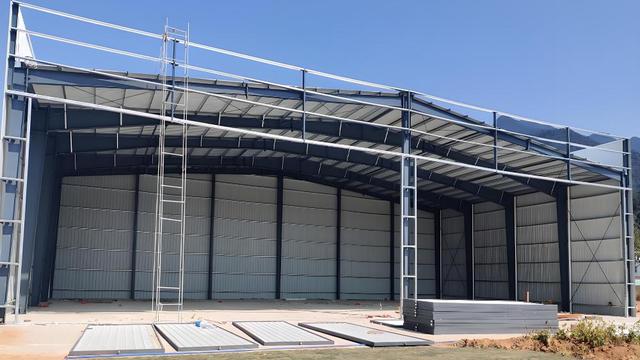
By leveraging high-span, rigid steel framing configurations, our systems cater to massive commercial storage demands. These industrial structures accommodate heavy overhead gantry cranes, high-clearance racking systems, and dynamic loading dock bays, and are treated with anti-corrosion finishes to withstand high humidity environments.
Our rapid-deploy, expandable modular hospital buildings and fireproof cabins offer turn-key medical solutions. They are designed with pre-integrated HVAC ducting, plumbing layouts, and anti-bacterial panel surfaces to support prompt site commissioning for emergency healthcare demands globally.
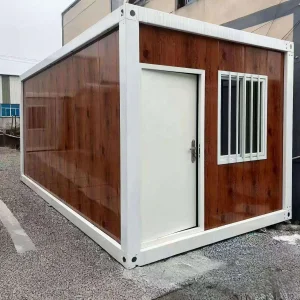
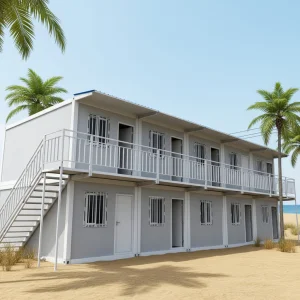
Designed for remote operations, our multi-unit containerized dormitories are built to resist extreme temperature fluctuations. Featuring robust rockwool insulation, double-glazed windows, and integrated solar solutions, they offer optimal acoustic properties and thermal comfort for workers in harsh environments.
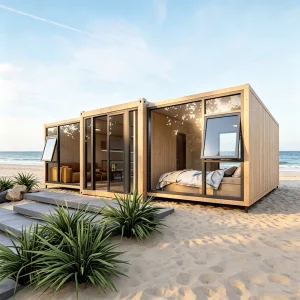
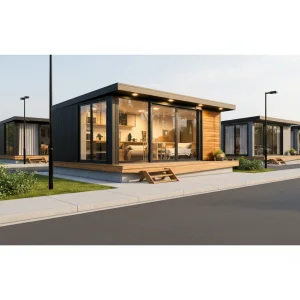
Providing custom architectural solutions for eco-tourism resorts, modern camping sites, and retail spaces. By integrating modern copper-steel accents, solar power generation capabilities, and water purification units, these modern structures reduce environmental impact and structural footprint.
Ensuring total compliance with international structural codes is critical for engineering approvals and long-term performance.
| Structural Category | Technical Specifications | Applicable International Codes |
|---|---|---|
| Main Structural Skeleton | Hot-rolled Q355B H-Beams / cold-formed hollow structural sections. High ductility and yield strength (355 MPa). | Eurocode 3 (EN 1993), AISC 360-16, AS/NZS 4100 |
| Thermal & Acoustical Insulation | EPS, PU, Rockwool core sandwich panel wall systems. Fire resistance up to Class A1. Density range: 50kg/m³ to 120kg/m³. | ASTM E84, EN 13501-1, BS 476 Part 20/22 |
| Seismic & Wind Loading | Configured to survive Wind Load up to 0.6 KN/㎡ (equivalent to Category 12 typhoon), and Seismic Intensities up to Grade 8. | ASCE 7, IBC 2021, GB 50011-2010 |
| Corrosion Mitigation | Hot-dip galvanized (zinc coating > 275 g/㎡) or epoxy zinc-rich primer system for heavy saline conditions. | ISO 12944 (C3, C4, C5 Corrosivity Categories) |
Technological shifts, sustainable practices, and materials science innovations that define the next generation of building methods.
Global procurement teams are prioritizing circular structural components. Steel structures offer near 100% recyclability at the end of their operational lifecycle. By switching to carbon-neutral production inputs and green paints, manufacturers are lowering the embodied carbon footprint of new builds.
Prefabricated modular designs are increasingly incorporating rooftop photovoltaic systems, solar-battery storage, and energy recovery ventilation. These self-sustaining modules can operate off-grid in remote regions, providing utility solutions for military camps, scientific stations, and eco-retreats.
Design for Manufacture and Assembly (DFMA) processes are replacing conventional engineering paths. This strategy ensures components are designed for easy alignment, transportation clearances, and structural strength, significantly reducing onsite labor requirements and installation mistakes.
By pre-routing MEP (Mechanical, Electrical, and Plumbing) services in the factory, modules arrive at the site ready for quick connection. This plug-and-play capability prevents trades overlap and accelerates finishing phases by up to 60% compared to traditional on-site installations.
Clear, expert-reviewed answers addressing common design, compliance, and logistics queries for international developers.
What is the typical structural lifetime of a fully integrated modular steel villa?
A high-quality steel modular structure engineered with Q355B galvanized structural members has a design life of over 50 years. Secondary cladding panels and interior fittings are subject to maintenance intervals depending on climate conditions, while the primary structural skeleton remains intact.
How do modular buildings comply with local thermal and fire safety regulations?
We adapt sandwich panel core materials depending on localized requirements. For regions demanding high fire-resistance, we utilize Class A non-combustible rockwool cores. Thermal efficiency can be matched to specific R-values using high-density polyurethane (PU) or thicker core dimensions to meet global energy-performance mandates.
Can modular container units be joined together for multi-story solutions?
Yes. These structural modules are specifically engineered with heavy corner castings and structural node intersections. Units can be safely stacked up to 3 to 4 storeys without secondary reinforcement, and even higher when integrated with a primary structural steel frame.
How is damage prevented during long-distance maritime transport?
Modules are packaged and secured according to strict international shipping procedures. Foldable and expandable configurations are consolidated into certified standard sizes for containerized shipping, while static modules are equipped with crane lift points and transport bracing to prevent shifting during transit.
Customized layouts, durable assemblies, and industrial structural configurations tailored to your exact specifications.
 Nova Build