Explore our premium architectural structures and engineering assemblies manufactured to international compliance standards.

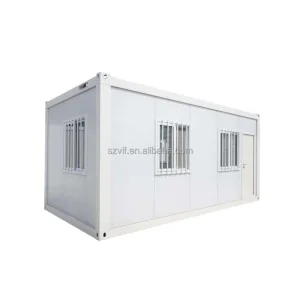
In highly industrialized markets across Europe, North America, and Australia, developer margins are increasingly squeezed by localized labor shortages, soaring regulatory requirements, and unpredictable weather windows. Traditional brick-and-mortar or cast-in-place concrete structures are no longer financially or logistically viable for high-growth commercial projects. Volumetric modular technology—where complete structural modules are constructed, integrated with mechanical, electrical, and plumbing (MEP) systems, and finished internally under controlled factory environments—shaves off up to 50% of typical site timelines.
Furthermore, structural steel frame systems offer superior seismological performance, high strength-to-weight ratios, and full circular recyclability. By shifting the bulk of production into centralized manufacturing nodes, quality is governed by precision digital tolerances (within ±1mm) rather than unpredictable on-site labor standards.
High Speed to Market: Concurrent site preparation and factory manufacturing expedite operations.
Wastage Reduction: Material waste is reduced by up to 60% via specialized cut-to-length steel optimization.
Engineered Reliability: Built in accordance with strict international codes (IBC, Eurocode 3, AS/NZS 1170).
Delivering turn-key design, advanced engineering, and robust logistical delivery for steel structure modules worldwide.
Foshan Nova Build Co., Ltd. is a professional China modular steel structure manufacturer specializing in the design, engineering, manufacturing, and supply of high-quality prefabricated building solutions for global customers. With years of industry experience, the company has established itself as a reliable partner for industrial, commercial, and residential construction projects worldwide.
Leveraging advanced manufacturing technologies and strict quality control systems, Foshan Nova Build Co., Ltd. offers a comprehensive range of modular steel structure products, including prefabricated steel buildings, modular office buildings, warehouse structures, accommodation camps, commercial buildings, and customized steel construction solutions. Each project is engineered to meet international standards while delivering superior strength, durability, and cost efficiency.
The company operates modern production facilities equipped with advanced fabrication equipment and experienced technical teams. From concept design and structural analysis to manufacturing, packaging, and logistics coordination, Foshan Nova Build provides one-stop services to ensure smooth project execution and timely delivery.
Committed to innovation and sustainable construction, the company continuously develops energy-efficient and environmentally friendly building solutions that help customers reduce construction time, labor costs, and material waste. Its modular construction systems are widely used in industrial plants, warehouses, mining camps, educational facilities, healthcare centers, and temporary or permanent commercial spaces.
Guided by the principles of quality, integrity, and customer satisfaction, Foshan Nova Build Co., Ltd. has earned the trust of clients across Asia, Europe, the Middle East, Africa, and the Americas. The company remains dedicated to delivering customized prefabricated building solutions that create long-term value for partners worldwide.

Analyzing the macro-economic and engineering factors fueling prefabricated infrastructure adoption globally.
Global regulatory landscapes, such as the EU Green Deal and local Net-Zero mandates, penalize high carbon-emitting structures. Modular steel structures utilize up to 90% recycled steel content. At the end of life, modular assemblies can be dismantled, relocated, or recycled, minimizing landfill contribution.
On-site construction timeline delays compound financing costs under high-interest-rate environments. Prefabricated solutions compress critical paths by enabling parallel-track processing (e.g. factory manufacturing proceeding simultaneously with foundation excavation and engineering).
New structural developments in light-gauge steel, cross-laminated composite sandwich panels, and high-performance polyisocyanurate (PIR) insulation have revolutionized thermal insulation performance (achieving U-values below 0.18 W/m²K), structural integrity, and acoustic dampening.
North America (US & Canada): Prefab modular expansion focuses heavy attention on solving structural multi-family housing shortages and rapid commercial retail centers. Projects require strict adherence to IBC (International Building Code), local state-level modular certifications, and ASHRAE 90.1 thermal envelope regulations.
Western Europe & UK: Environmental mandates dictate life-cycle carbon calculations (LCA) and strict acoustic privacy standards (BS 8233). Heavy emphasis is placed on lightweight steel modular frames that can easily slide into tight metropolitan urban infill sites with minimal noise and disruption.
Middle East & GCC: Massive mega-projects require modular accommodation complexes and luxury resort cabins (such as space capsules) capable of surviving extreme ambient heat (up to 55°C) and marine corrosive environments (C5-M rating). The priority here is speed of deployment and high-performance HVAC thermal integration.
Australia & Pacific Islands: High seismic activity (AS 1170.4) and cyclical Category 5 cyclone events require rigid high-strength cold-formed steel frames with hot-dip galvanized coating systems (min. 600g/m²) to withstand high atmospheric salinity.
Understanding the core components, structural parameters, and technical workflows behind modern industrial prefabrication.
Engineering begins with building information modeling (BIM) via Tekla Structures and Revit. Structural performance is stress-tested digitally using FEA tools to simulate dead loads, live loads, seismic drift, and wind shear forces up to 250km/h before the steel is cut.
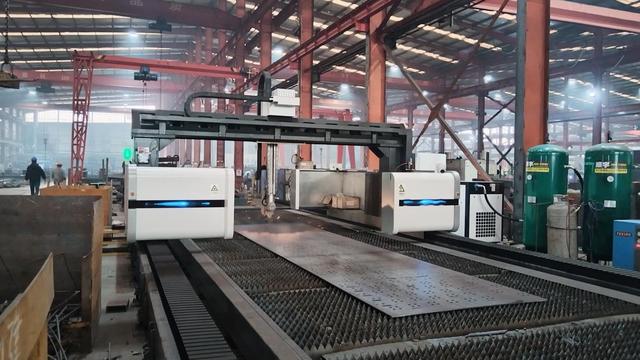
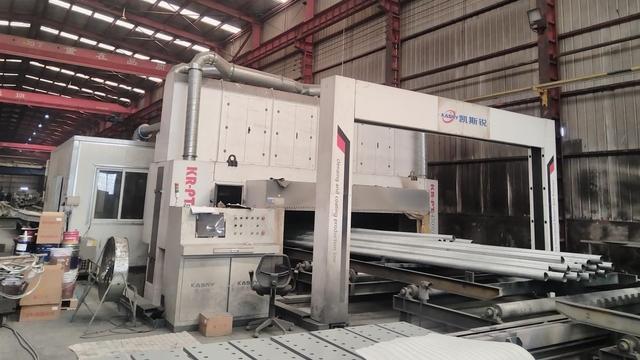
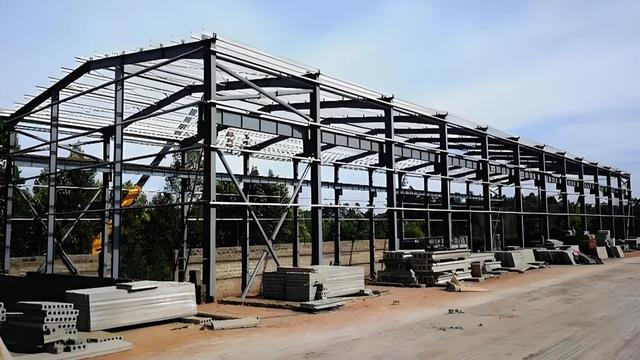
Hot-rolled H-beams and cold-formed structural steel members are processed using CNC plasma cutters and robotic welding stations. This keeps manufacturing variations below 1mm, guaranteeing seamless field-connection fitments during modular stack-up.
Volumetric modules receive insulation (PIR or mineral rockwool), multi-layered gypsum wallboard, internal floorings, electrical wiring conduits, and plumbing runs. Every line undergoes pressure testing and dielectric testing within the factory.
Structures are finished with protective coatings (such as epoxy zinc-rich primers and polyurethane topcoats), secured with specialized transport bracing, and packed into custom sea containers or flat-pack formats to optimize cubic shipping efficiency.
Delivering specific solutions optimized for varying logistical demands, structural loads, and commercial applications.
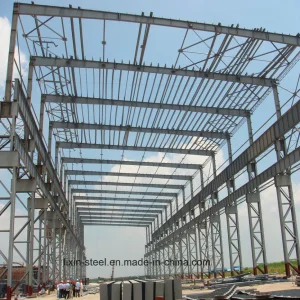
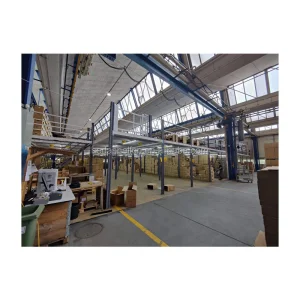
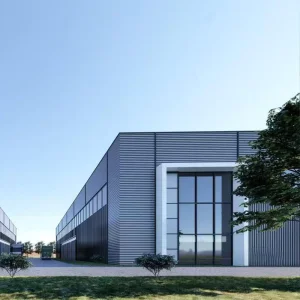
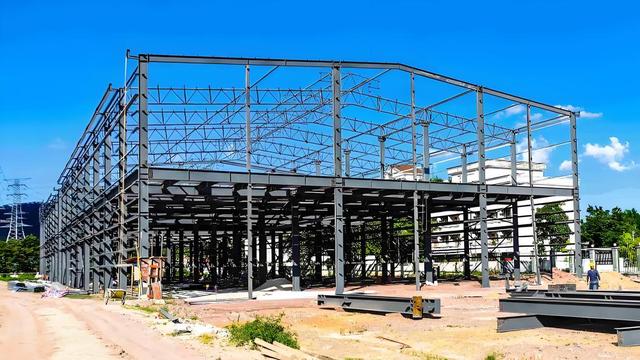
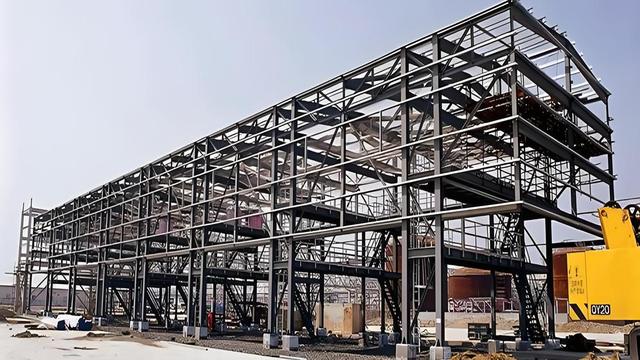
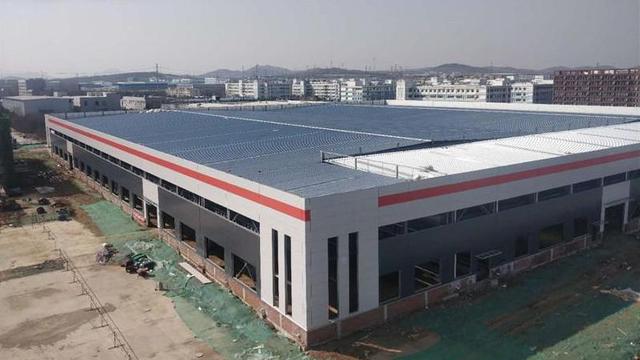
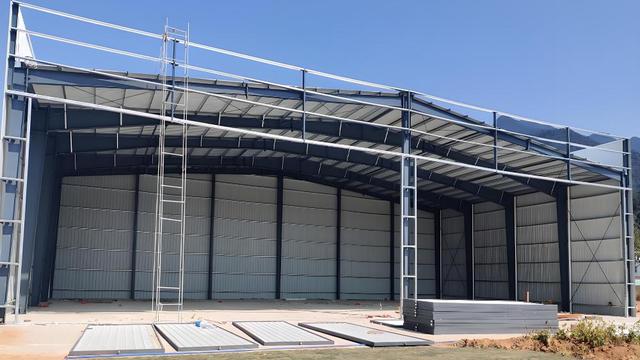
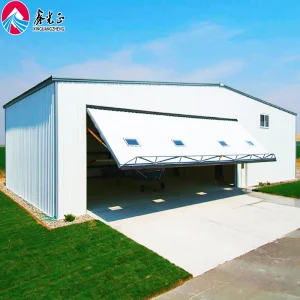
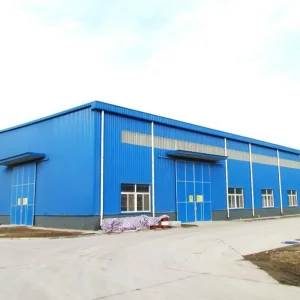
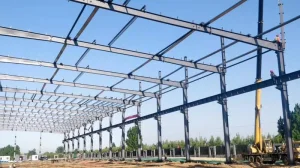
Designed for heavy structural capacity, these setups feature long clear-spans (up to 60m unsupported) to optimize logistics flow. Floor loading capacities on custom heavy-duty H-beam mezzanine platforms can exceed 1,500 kg/m². Complete structural steel framework can be erected in weeks instead of months, reducing inventory bottlenecks for warehousing and manufacturing.
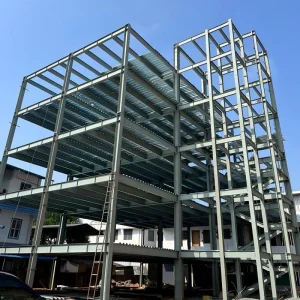
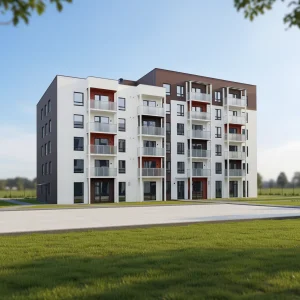
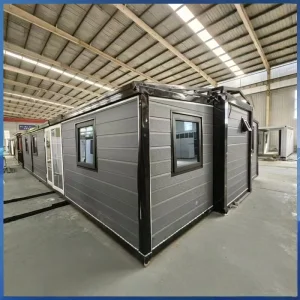
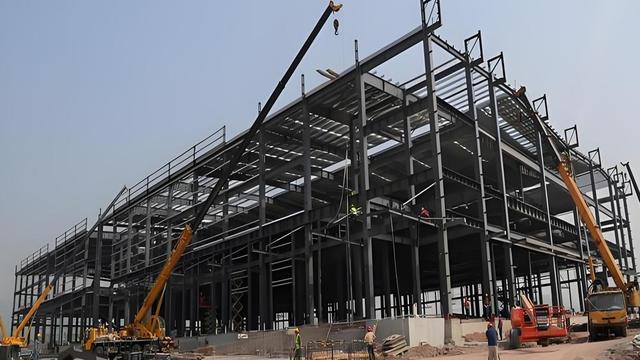
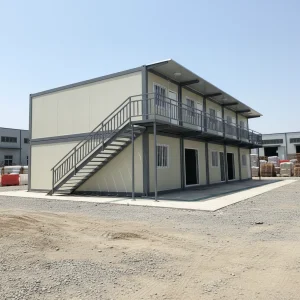
Integrating volumetric steel modules into robust multi-level configurations. Modules are stacked on-site, secured via structural splice plates, and finished with exterior weatherproofing rain-screens. Sound transfer between modules is minimized via double-wall configurations and structural acoustic isolation pads.
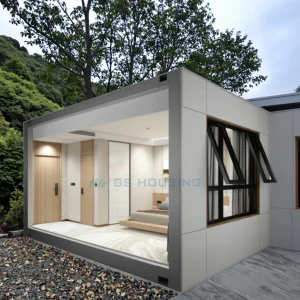
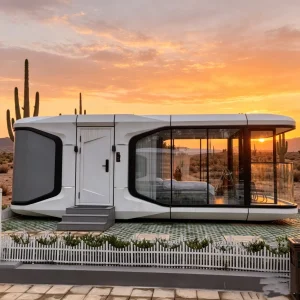
Designed for eco-resorts, glamping campsites, and boutique hospitality developments. These cabins are constructed with structural frames, double-glazed panoramic tempered glass systems, built-in smart home automation, and internal decorative insulation boards, ready for drop-in installation on simple pier foundations.
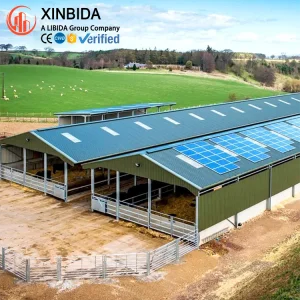
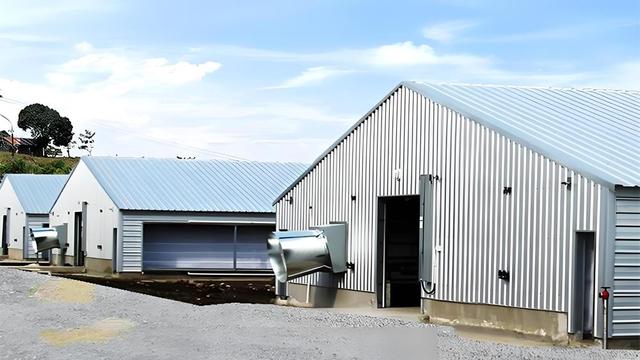
Optimized for hygienic ventilation, biosecurity, and corrosion resistance. Steel components are hot-dip galvanized or treated with high-grade multi-layer epoxy coats to resist ammonia-rich agricultural environments. Pre-engineered panels allow rapid assembly, ensuring consistent indoor microclimates for livestock.
Expert answers regarding structural compliance, shipping logistics, customization tolerances, and international building approvals.
Explore our industrial structures, workshops, and pre-engineered residential building systems.
 Nova Build