Explore our primary certified modular assemblies designed for high-rise, industrial, commercial, and hybrid building frameworks.

In the rapidly changing landscape of international construction, structural safety, carbon efficiency, and speed of delivery have transitioned from project indicators to critical corporate risks. Foshan Nova Build Co., Ltd. operates at the intersection of these requirements. As a premier Chinese manufacturer and global exporter of high-rise, modular structural steel projects, the company integrates end-to-end design, advanced engineering, and strict fabrication control.
With years of deep-rooted industry presence, Foshan Nova Build Co., Ltd. has established itself as an engineered solutions provider. Operating from advanced manufacturing hubs equipped with heavy-duty robotic welding units, automated steel profile cutting systems, and specialized quality assurance laboratories, we maintain strict quality control from raw materials to final shipment. We support developers, EPC contractors, and public institutions worldwide with prefabricated structural solutions optimized to reduce local construction timelines by up to 50% while mitigating on-site risk.
How modular engineering addresses urbanization challenges, ESG compliance, and strict structural energy codes.
The construction industry accounts for nearly 40% of global energy-related carbon emissions. Volumetric modular manufacturing shifts up to 90% of assembly tasks to controlled factory floors. This reduces logistics waste, minimizes structural over-engineering, and uses high-grade, fully recyclable structural steel profiles (S355JR, S275JR) to align with global ESG mandates.
Conventional construction follows a linear timeline: foundation, framing, cladding, and fit-out. Multi-story modular construction allows foundation work and factory volumetric assembly to run in parallel. By the time site grading and concrete works are completed, structural modules arrive fully outfitted with structural fireproofing, mechanical pipelines, and interior finishes.
Modern multi-story modular execution relies on absolute dimensional accuracy. We use advanced Building Information Modeling (BIM) software to manage tolerances down to +/-1.5mm. This digital layout maps MEP routing, collision detection, and structural load distribution prior to manufacturing, reducing design revisions during field erection to zero.
Procuring structural assets from overseas requires careful planning. International buyers must manage regulatory compliance, logistical constraints, and structural integration requirements. To address these concerns, Foshan Nova Build Co., Ltd. provides a transparent engineering process:
| Procurement Challenge | Risk Factor to Project Execution | Foshan Nova Build Strategy & Solution |
|---|---|---|
| Regulatory Standards Gap | Code discrepancies (e.g., Eurocode 3 vs. ASTM, BS Standards) resulting in project site inspection failure. | Designs are fully calculated using FEA models aligned to EN 1993 (Eurocode 3) and ASTM criteria. CE certification documents are provided for municipal approval. |
| Dimensional Discrepancies | Volumetric modules failing to link or interface at the assembly stage, causing costly delays. | Precision-machined structural jigs and laser-guided coordinates maintain tolerances within 1.5mm. Pre-assembly testing is performed at our factory before packing. |
| Corrosion & Logistical Wear | Exposure to marine moisture during transoceanic shipping, causing rust and degradation. | Structural framing members receive hot-dip galvanization (≥85μm) or high-build marine epoxy coatings. Shrink-wrap preservation is applied for sea freight. |
| MEP Integration Failure | On-site plumbing, electrical, and HVAC connections failing to align, requiring field adjustments. | Utility systems are designed to international standards (EN/UL/AS/NZS) and pre-assembled with accessible junction boxes for quick plug-and-play installation on site. |
From multi-family high-density housing to complex industrial hubs, our engineering division scales structures to match specific project parameters.
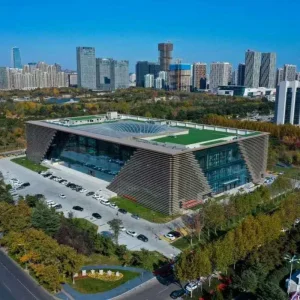
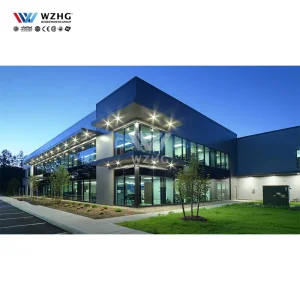
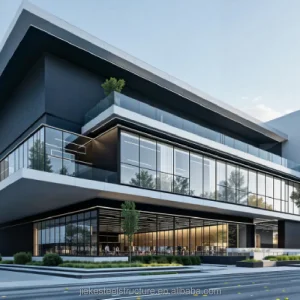
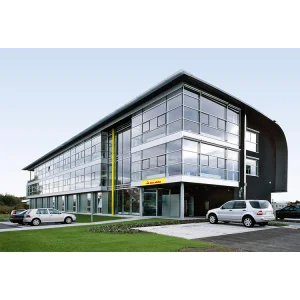
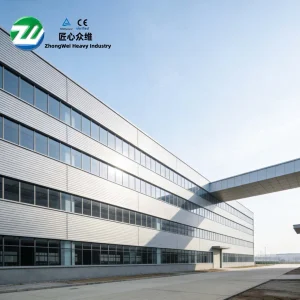
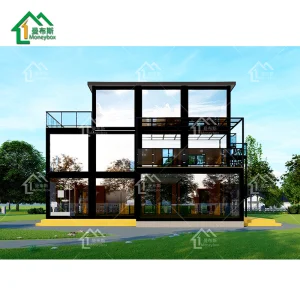
Designed for urban infill zones, these configurations use heavy-duty steel hot-rolled section columns and glass curtain walls. They offer large column-free interior spaces for flexible tenant layouts, while meeting office occupancy wind and seismic requirements.
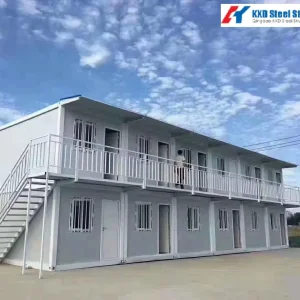
Designed to optimize layout efficiency, these modular units feature integrated acoustic barriers and structural fire ratings (Class A1/A2). These systems allow developers to complete high-density projects up to twice as fast as cast-in-place concrete builds.
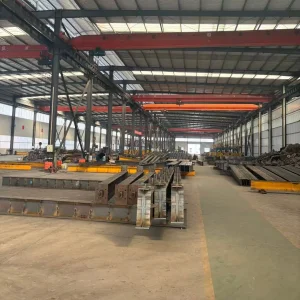
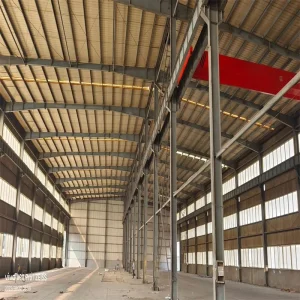
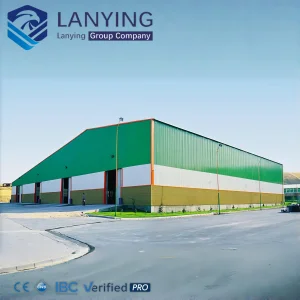
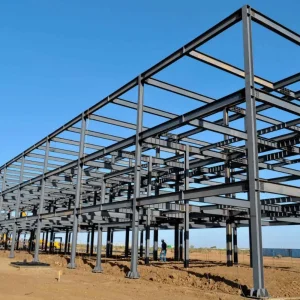
Heavy-gauge steel portals with large spans accommodate heavy machinery and overhead crane rails. These durable structures are built to withstand high dynamic loads and meet demanding international industrial standards.
Fully compliant with EN 1090-1 (Execution of steel structures and aluminum structures) and EN 1090-2 Execution Class 2 (EXC2) or EXC3. All base metal profiles are certified with mill test reports to EN 10204 3.1.
Structural calculations conform to AISC specifications for structural steel buildings. Welding is performed by certified technicians in compliance with AWS D1.1 (Structural Welding Code – Steel).
Structures are engineered for regional seismic categories and heavy wind loads. Framing uses G350/G450 high-tensile steel, with structural testing verified for Australia and New Zealand.
Meets UK Building Regulations (Part A - Structure, Part B - Fire Safety, Part L - Conservation of Fuel and Power). Fully prepared for localized third-party structural sign-off.
Foshan Nova Build Co., Ltd. continues to integrate advanced fabrication techniques into our modular workflows. Over the next decade, the company is focusing research and development on the following core technological milestones:
Integrating automated laser-tracked welding robots to ensure consistent weld penetration and minimize structural distortion in high-tensile, heavy-gauge steel connections.
Developing advanced thermal envelope systems. Combining aerogel composite panels with acoustic dampening cores allows our modules to exceed passive building performance targets (U-values ≤ 0.15 W/m²K).
Refining modular connections to support disassembly and re-use. This allows complete modular assemblies to be decommissioned and relocated, minimizing material waste and supporting a circular economy.
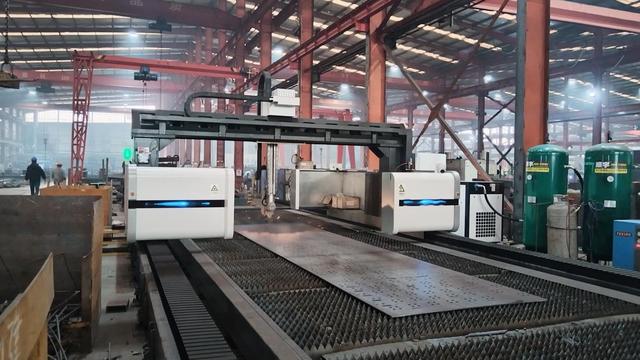
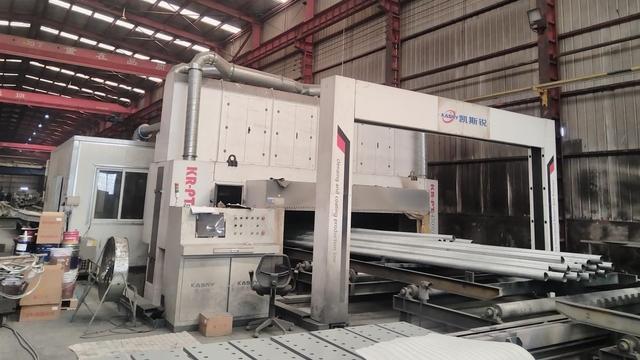
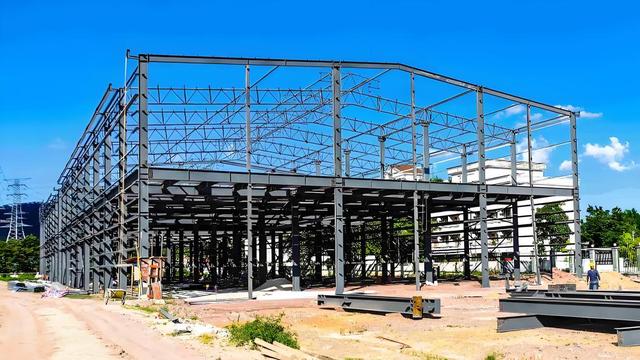
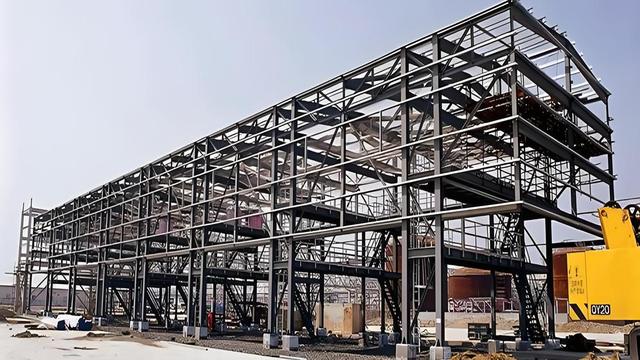
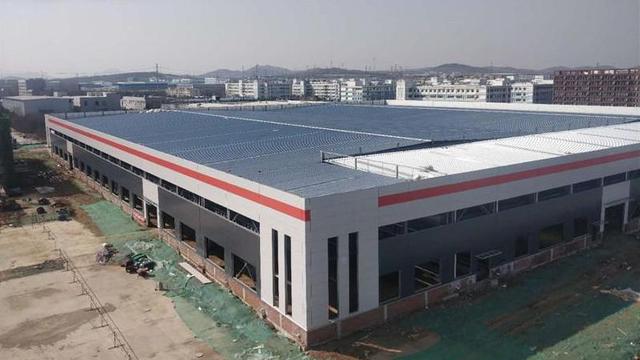
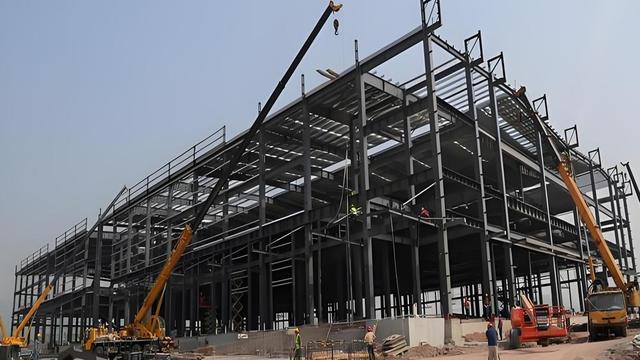
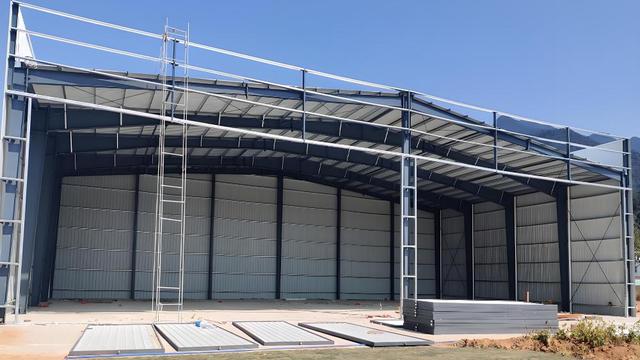
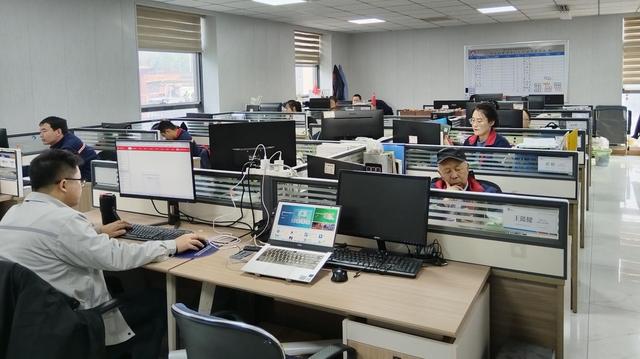
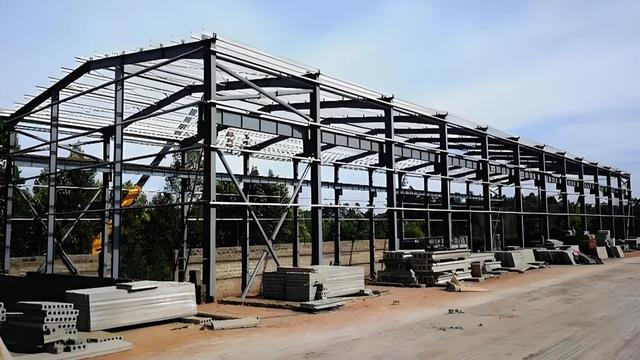
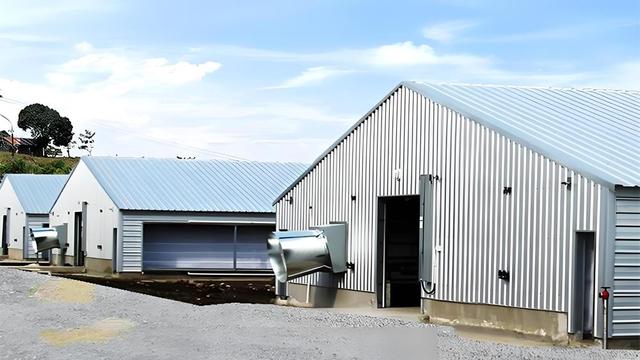
A visual tour of our production facility, showcasing raw materials processing, steel fabrication workshops, and finished structures.

Clear, technical answers to help engineers, project developers, and procurement officers make informed design decisions.
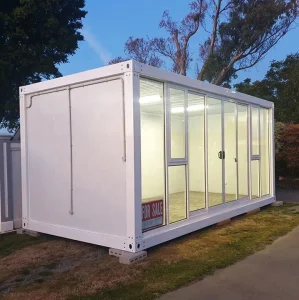
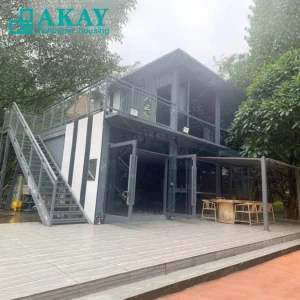
Extended modular product lines, including localized residential systems, mobile spaces, and customized commercial buildings.

 Nova Build