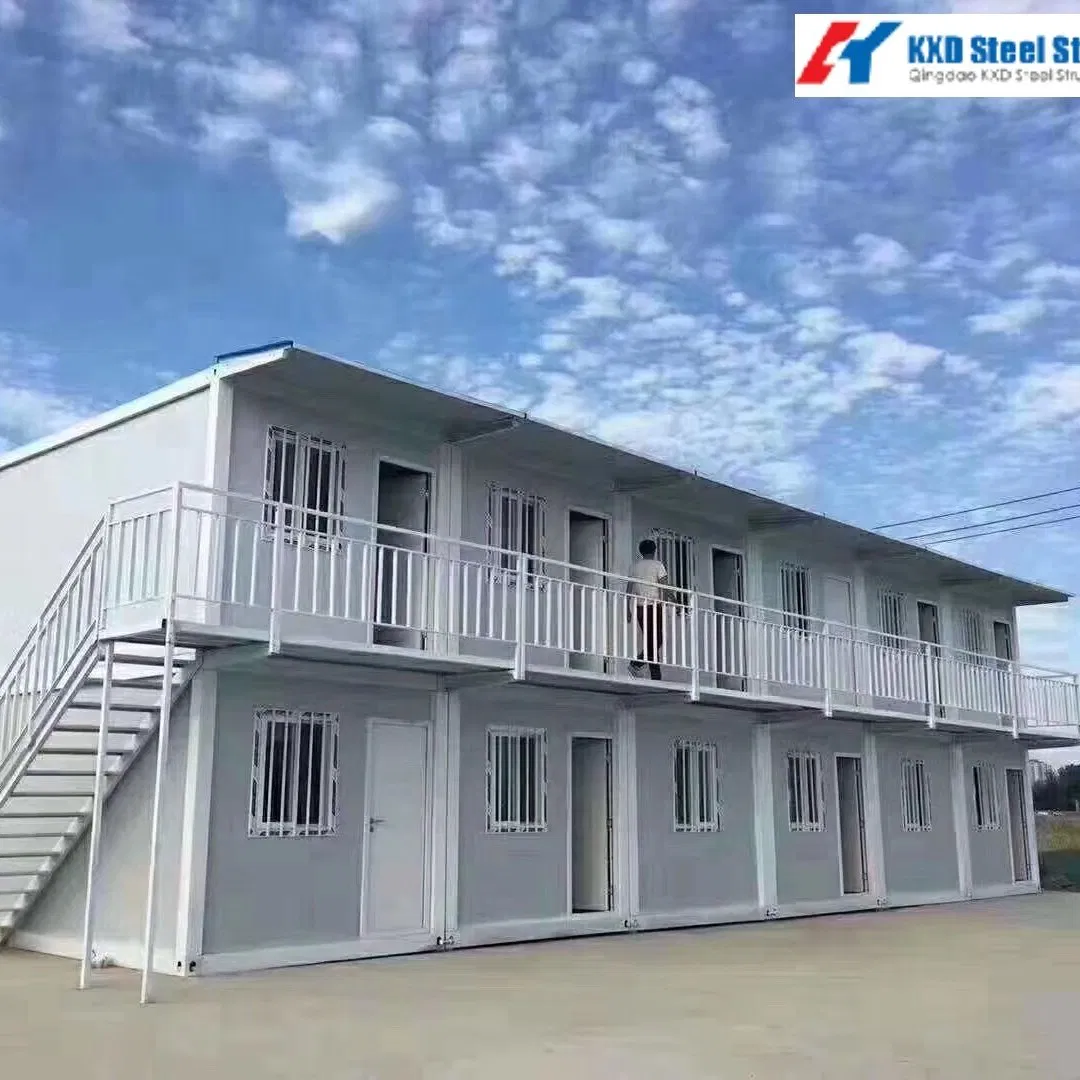
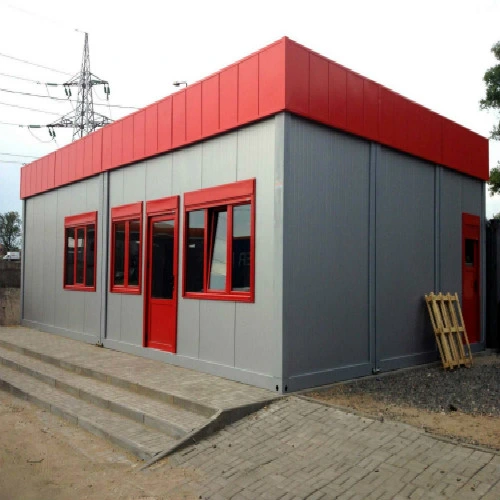
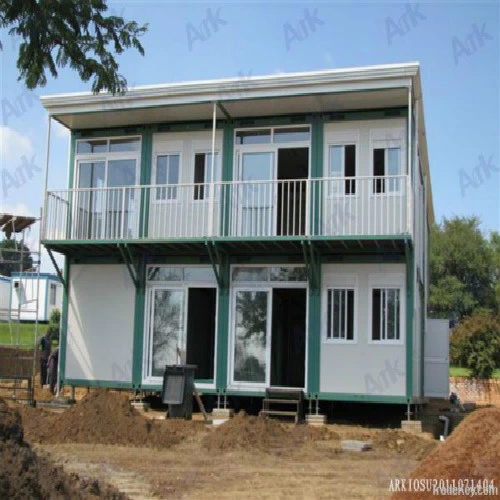
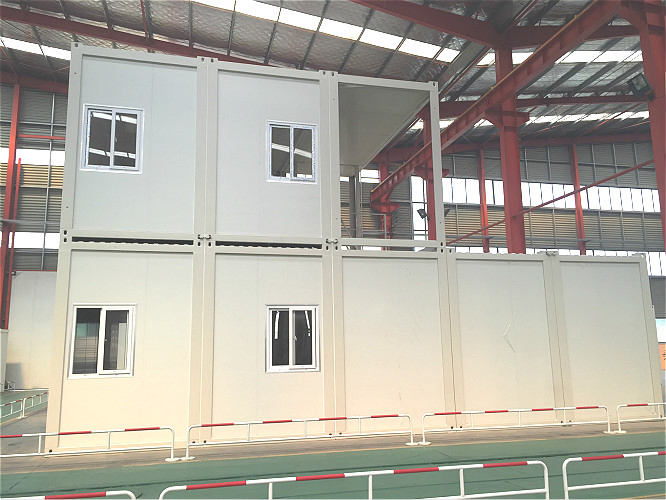
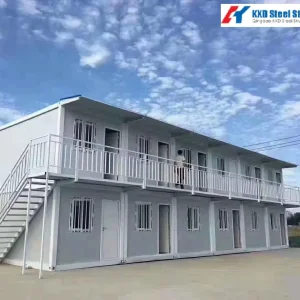
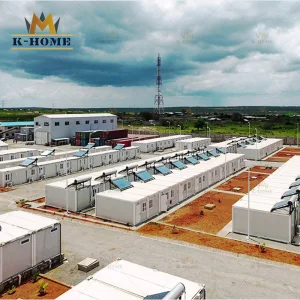
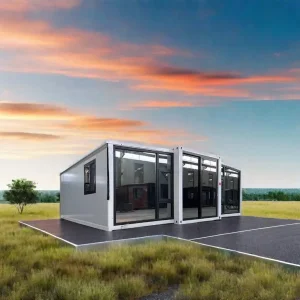
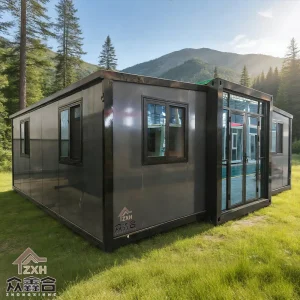
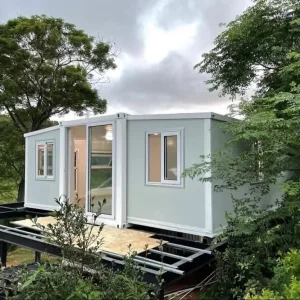
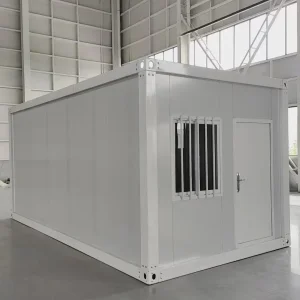
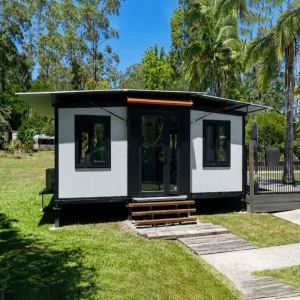
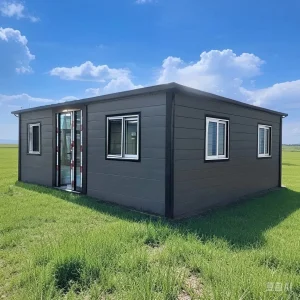
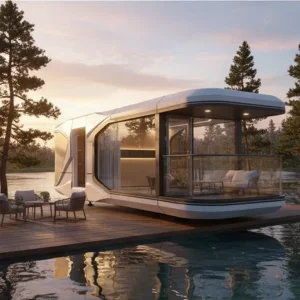
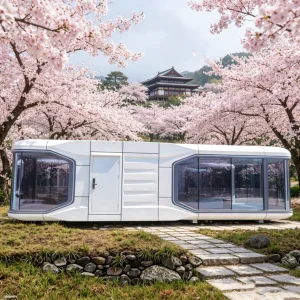
Prefabricated Containerized Modular Steel Structure Building for House

Product Description

Seeking for a solution to your construction employee's official request? How about considering modular house?

For any construction enterprise, it is a common thing to deploy installation workers to local sites. The worker's safety and well-being must come first, providing satisfied accommodation, catering, and leisure options. Modular houses are a reliable choice due to high mobility and easy assembly.
Prefabricated Containerized Modular Steel Structure Building for House

Modular House System Definition

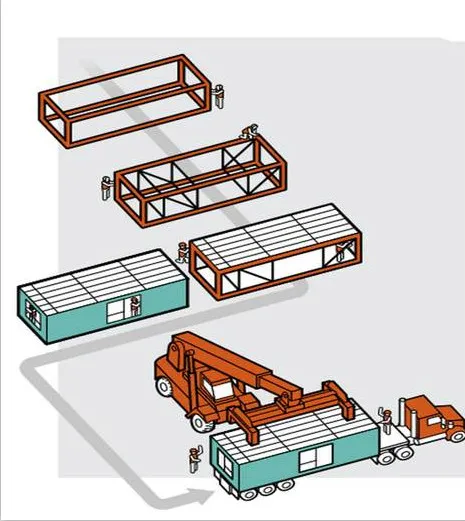
Modular House is a term used to describe factory-produced pre-engineered building units delivered to the site in modules. These units may form complete rooms or parts of rooms. They are generally made into six-sided boxes, delivered to the site, and set onto foundations using a crane. Modules can be placed side-by-side, end-to-end, or stacked in various configurations.
General Specifications

The modular unit or container is designed as a light solid construction consisting of floor and roof frames and corner profiles. The system enables compounding in longitudinal and transverse directions without limits, up to 2 floors in height (ground + 1) or 3 floors for warehousing.
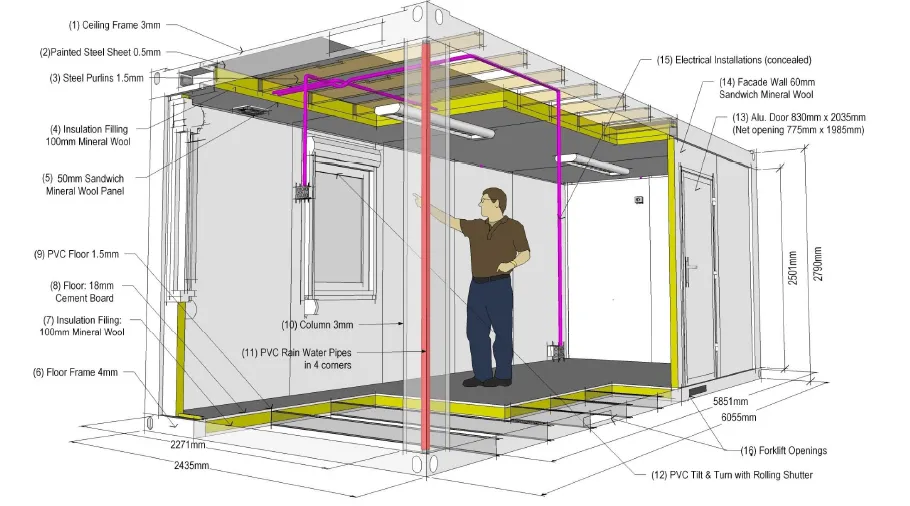
📐 Dimensions and Tare (ISO Standard 1161)
  • External length 20' / (inner length): 6.055m / (5.851m)
  • External width / (inner width): 2.435m / (2.231m)
  • External height / inner height: 2.790m / (2.510m)
  • Tare: 1950 Kg
Container Dimensions Diagram

Component Composition

🏗️ (1) Steel Framework

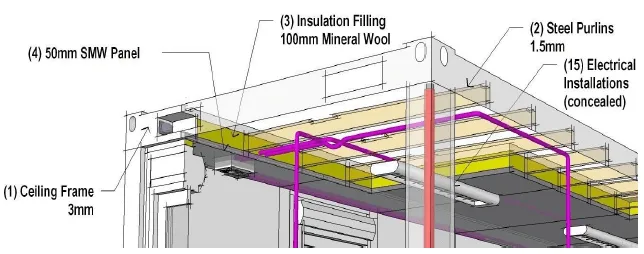
Material: Cold formed steel profiles (3 to 4mm thickness). Surface working includes shot blasting, epoxy ground coat (30 μm), and final vinyl acrylic coat (60-70 μm). Features ISO standard corner fittings and rainwater pipes in the roof framework.
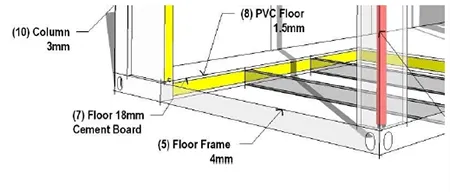
🧱 (2) Floor Composition
  • External: 0.5mm galvanized steel sheet.
  • Insulation: 100mm noncombustible mineral wool (50 Kg/m³).
  • Cement board: 18mm CCA boards (Cellulose Fiber Cement Board).
  • Covering: 1.5mm PVC flooring.
  • Loading capacity: 4.5 KN/m² to 6 KN/m².
Floor Structure Detail
🏠 (3) Ceiling and Facade

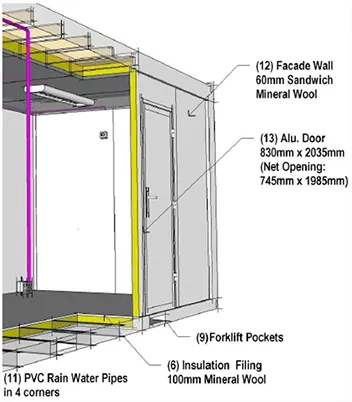
Ceilings use 50mm thick mineral wool sandwich panels. Facade walls feature 60mm sandwich mineral wool panels with galvanized and painted steel sheets on both sides. Fire rating: 36 minutes (GB 12955-91).
🚪 (4) Doors and Windows

External Aluminum doors (40mm thick) insulated with polystyrene. Windows are made of white PVC (800-900mm x 1100-1200mm) with double layer glass (4/15/4mm) and rolling shutters.
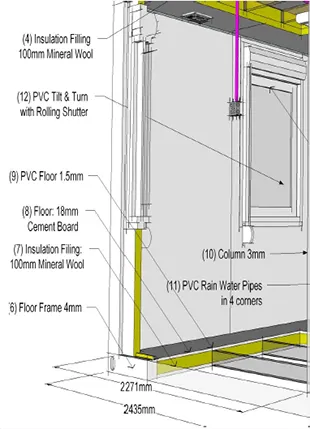
Door and Window Specifications
(5) Electrical Installations
  • Standard: UK Specification, 220 V, 50 Hz single phase.
  • Distribution: Flush-mounted cables (6, 2.5, 1.5 mm²).
  • Protection: 40A protective current switch and automatic fuses.
  • Fittings: Double fluorescent lights (IP 65), double sockets, and SUB ports.

Mounting and Delivery

  • Mounting: Can be installed on flat solid surfaces, point foundations (concrete cubes), or band foundations.
  • Certification: RINA certified for dimensions, weight, payload, and stacking.
  • Delivery: Available assembled or in flat-pack kits (648mm high). 4 kits can be bundled to ISO standard height.

Technical Data Tables

Element Technical Specifications
ISO Dimensions 20ft Standard (6,058mm L x 2,438mm W x 2,591mm H)
Construction ZINCED metal profiles 3 mm connected with screws
Painting Optional RAL color on customer wish
Wall Isolation 50mm PU panel or 60-120mm Mineral Wool options
Thermal Resistance (U) Floor: 0.37, Roof: 0.39, Wall: 0.41 W/m²k

Manufacturing Process

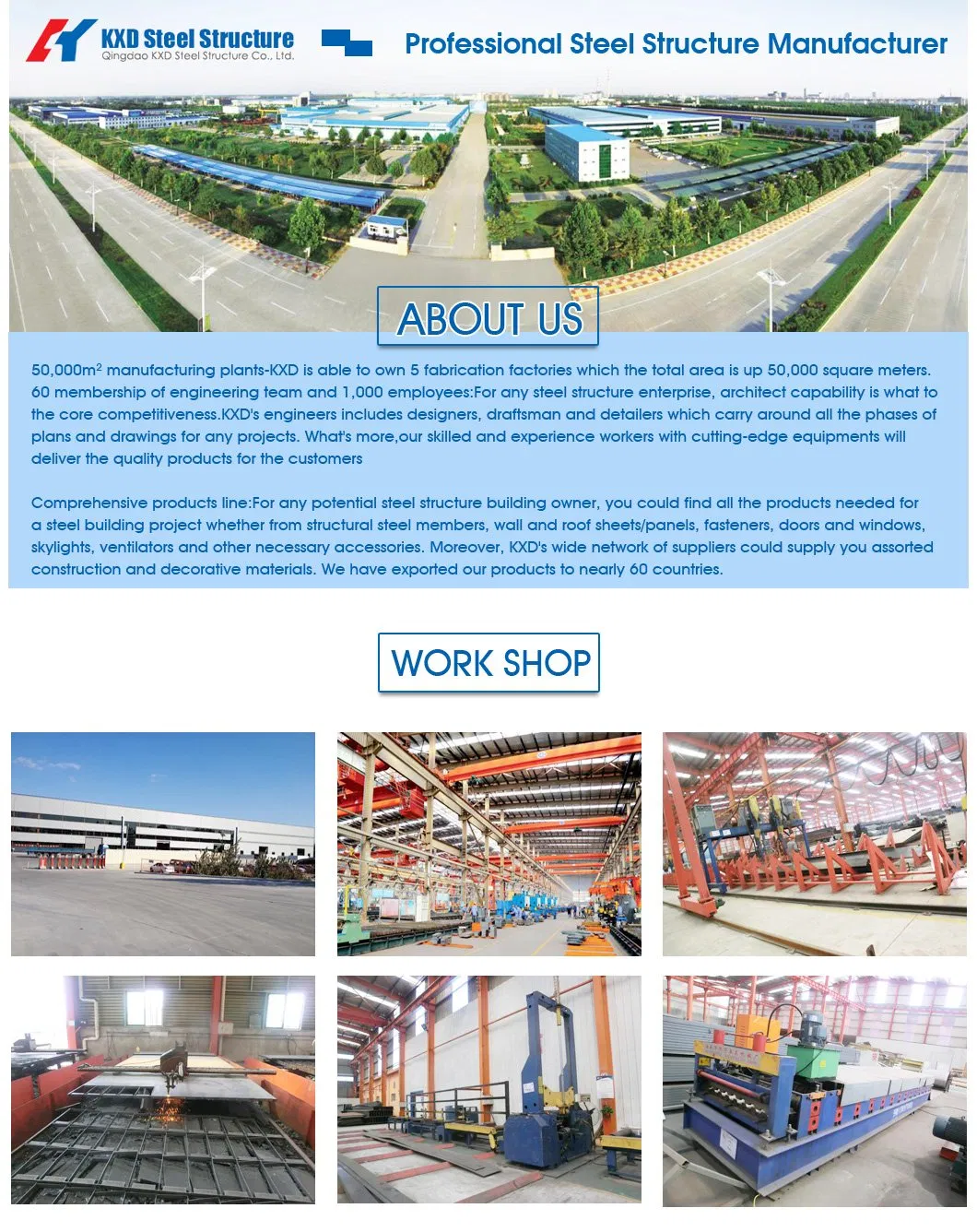
The manufacturing process involves high-precision steps: Steel plate cutting → H section assembly → Automatic welding → Strengthening → Manual welding → Shot blasting → Painting → Storage.
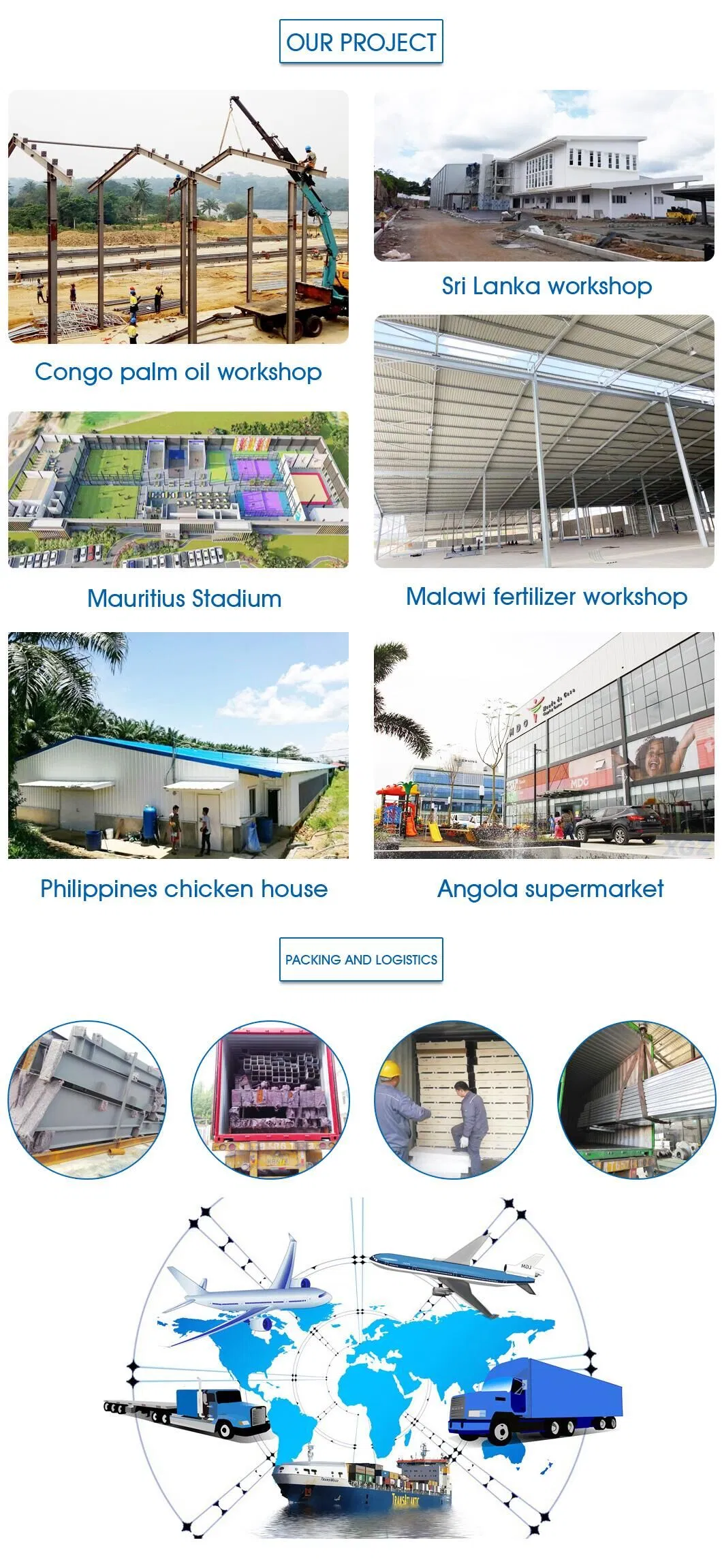
Manufacturing Process and Equipment
🛠️ Quality Control Standards

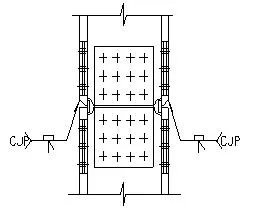
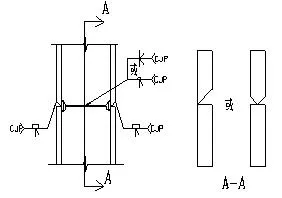
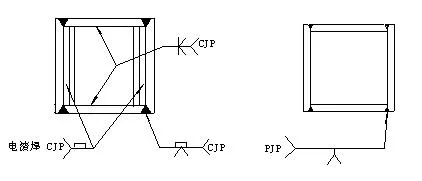
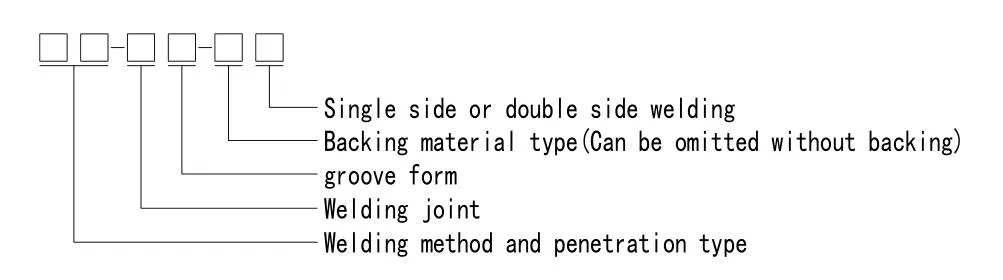
To ensure welding quality, appropriate groove forms are chosen based on metal thickness and welding method. Factors considered include minimizing filler metal, ease of beveling, and reducing after-welding stress.
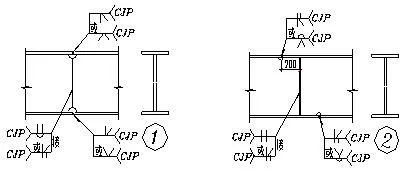
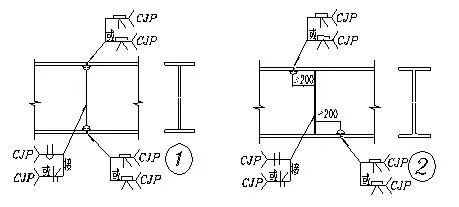
Box Column Illustration Welding Joint Groove Markings

Frequently Asked Questions (FAQ)

Q1: What exactly is a modular house system? A: It is a construction system using factory-produced, pre-engineered units delivered as modules. These can form entire rooms and are stacked or joined on-site to create complete buildings.
Q2: How many floors can be stacked with these modules? A: The system supports compounding containers up to 2 floors in height for living spaces and up to 3 floors for warehousing purposes.
Q3: What are the insulation materials used in the walls and floor? A: We primarily use noncombustible mineral wool with varying densities (50 Kg/m³ to 120 Kg/m³), ensuring excellent thermal resistance and fire safety.
Q4: Are these modular units certified for international shipping? A: Yes, dimensions, weight, and payload are RINA certified, and the units are designed to comply with ISO Standard 1161 for ease of transport.
Q5: What foundation is required for installation? A: Modular houses can be mounted on flat solid surfaces like asphalt or concrete, point foundations (concrete cubes), or band foundations along the circumference.
Q6: Can the electrical system be customized for different regions? A: The standard layout follows UK Specifications (220V, 50Hz), but the internal distribution system and fittings can be adapted to various voltage and socket requirements.

Related Products