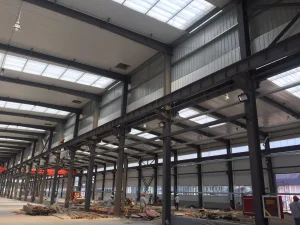
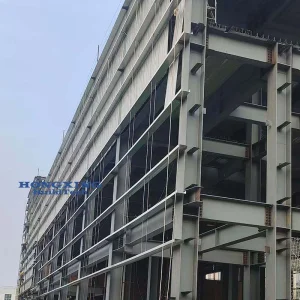
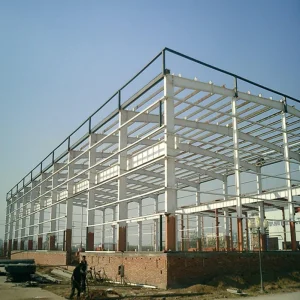
Cost-Effective Pre-Engineered Metal Buildings (PEB) for Food Processing Plant

Still deciding? Get samples of $ !
Order Sample

Product Description

Product Overview

Basic Specifications
Model NO. DC1671
Feature Anti-Corrosion, Earthquake Resistance, Easy To Install, High Intensity, Recyclable
Install Support Installation
Standard GB, ASTM, DIN, JIS, AISI, BS, SGS, BV
Forming Welded
Steel Q235B Q345b Q355b
Surface Treatment Galvanizing, Painting
Purlin C Steel, Z Steel
Column and Beam H Steel
Connection Bolt Connection or Welded Connection
Installation Service Supervisor Guiding Is Available
Wall Coverage Single Corrugated Sheet or Sandwich Panel
Design Software Auto-CAD, Pkpm, Tekla
Transportation 40hq, 40ot, Bulk Ship
Color Customized
Application Steel Workshop, Steel Structure Platform
Processing Service Bending, Welding, Decoiling, Cutting, Punching
Usage Industrial Warehouse
Transport Package Seaworthy Package
Production Capacity 10000ton/Month

Product Gallery

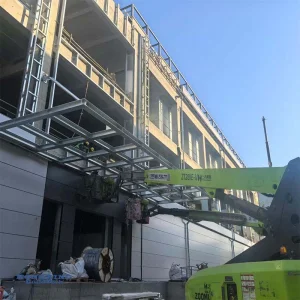
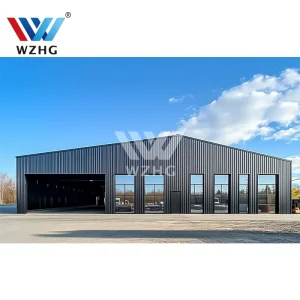
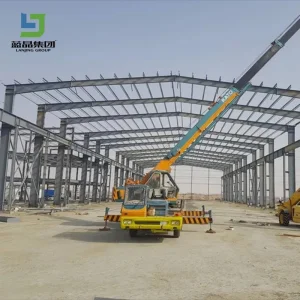
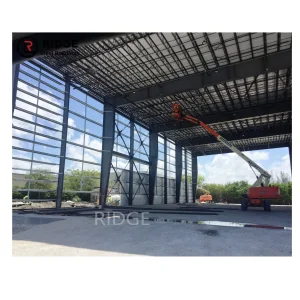
Pre-Engineered Metal Buildings Details
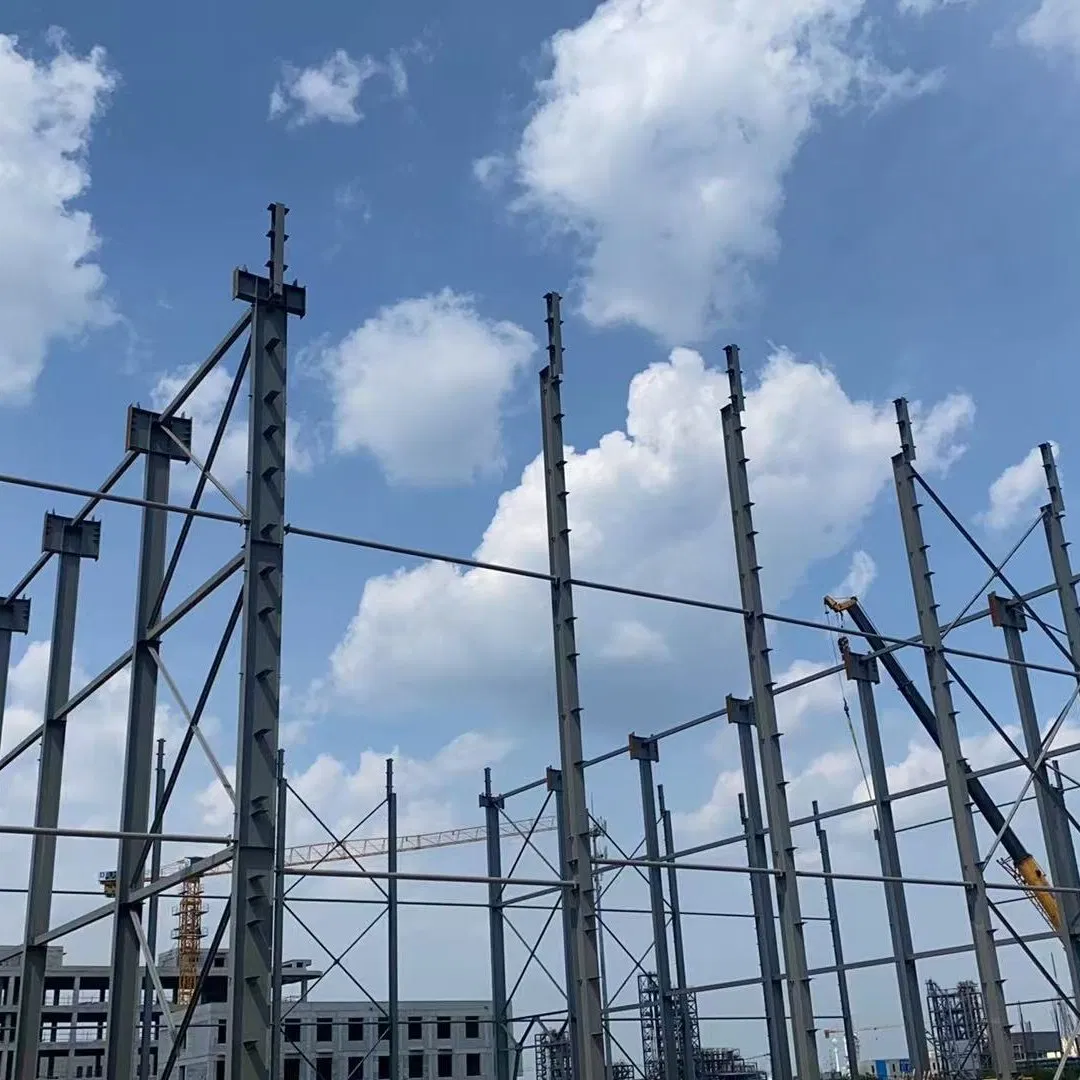
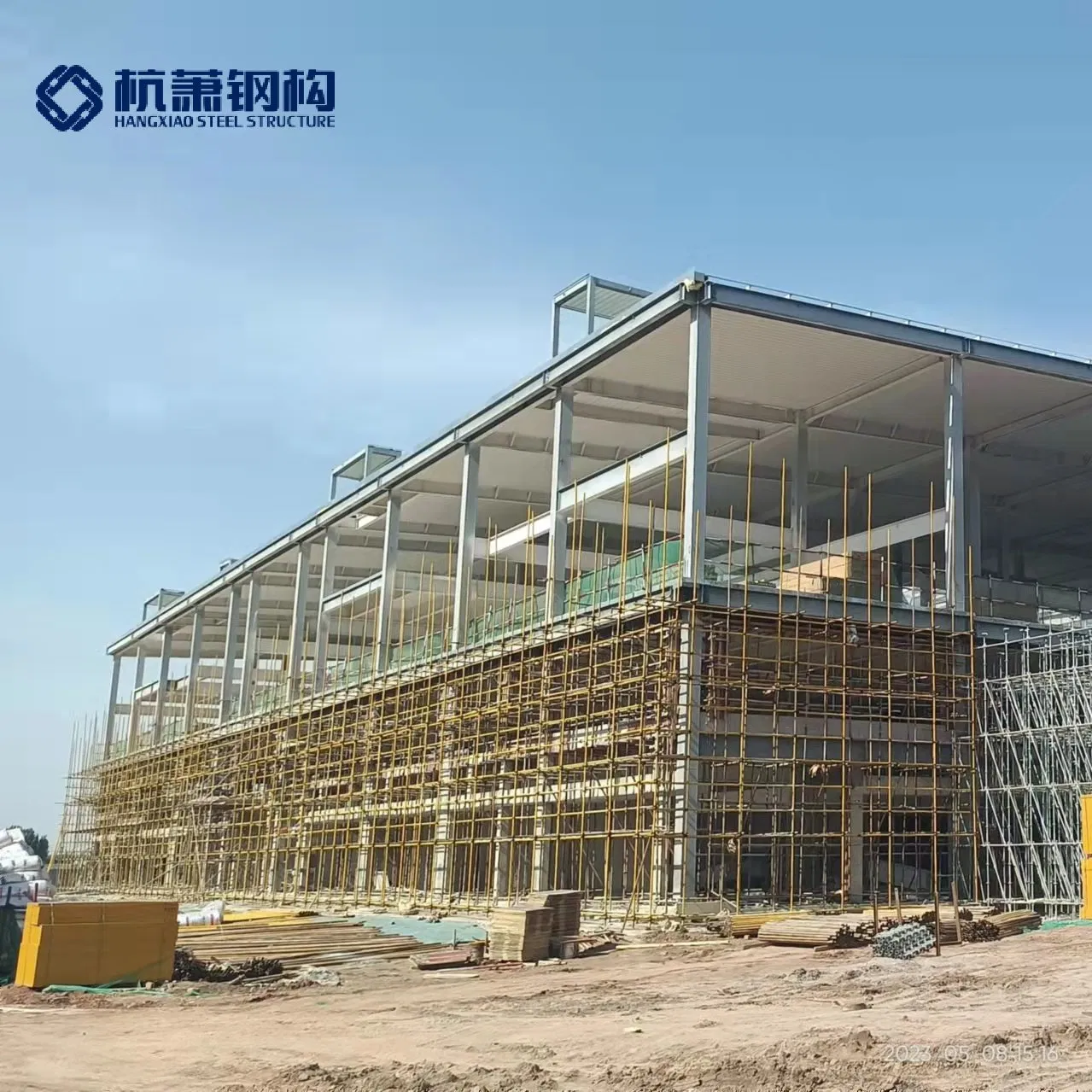
PEB Structural Display
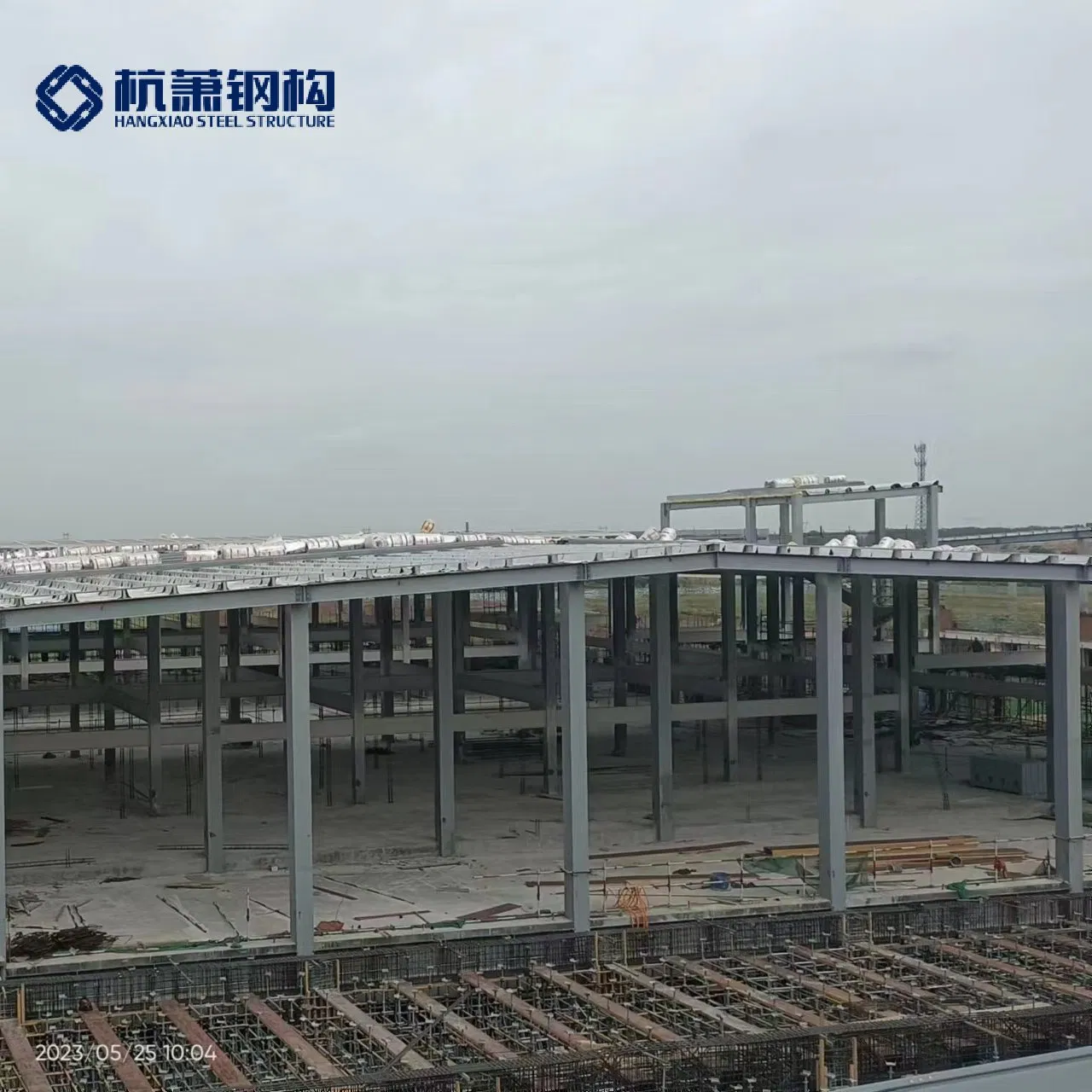
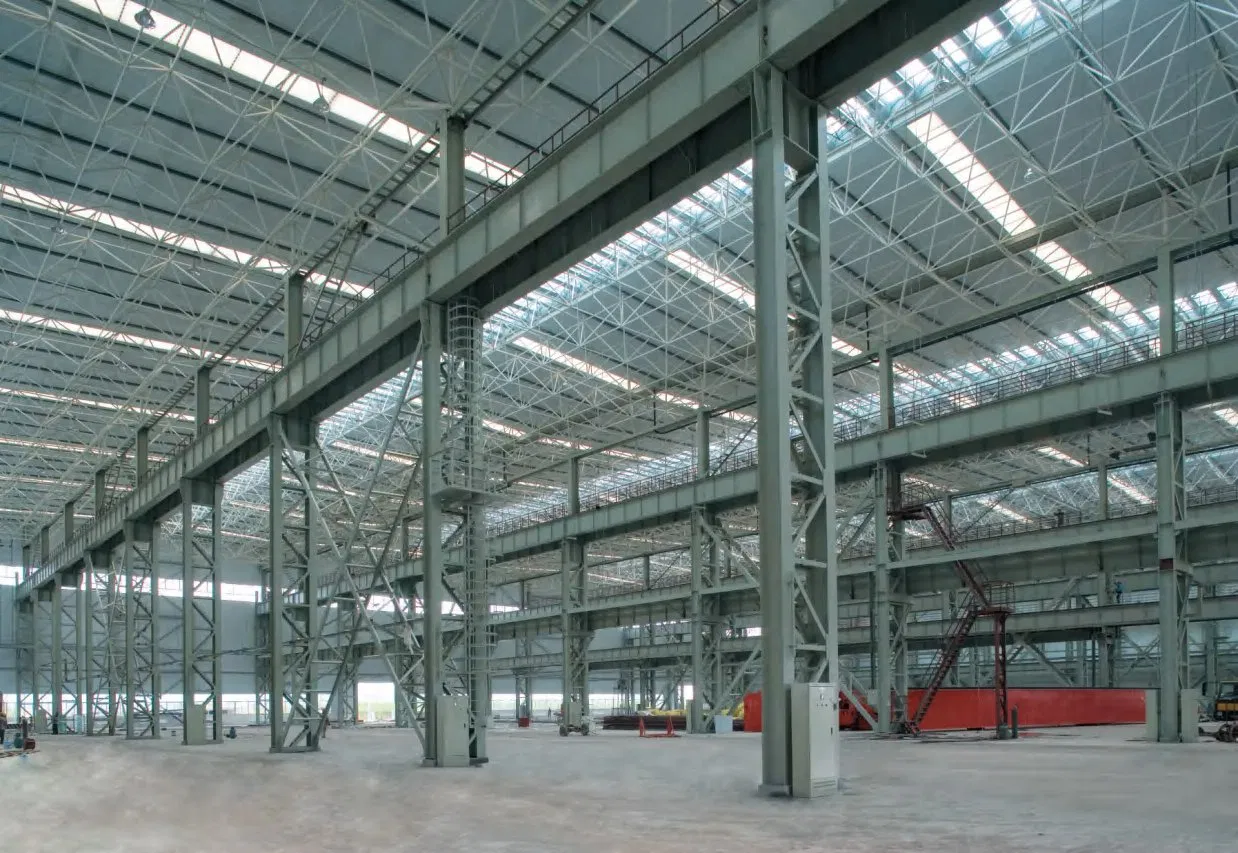
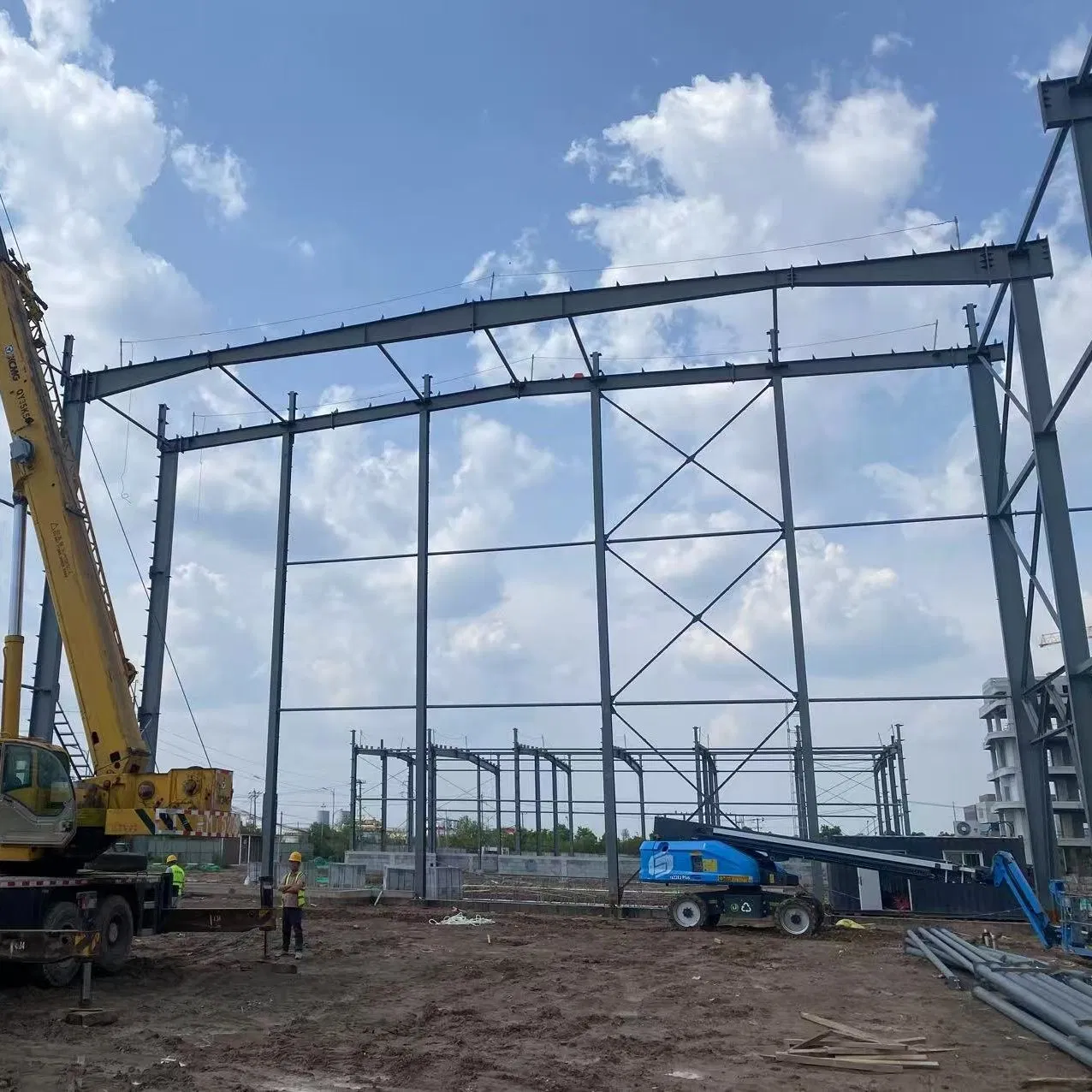
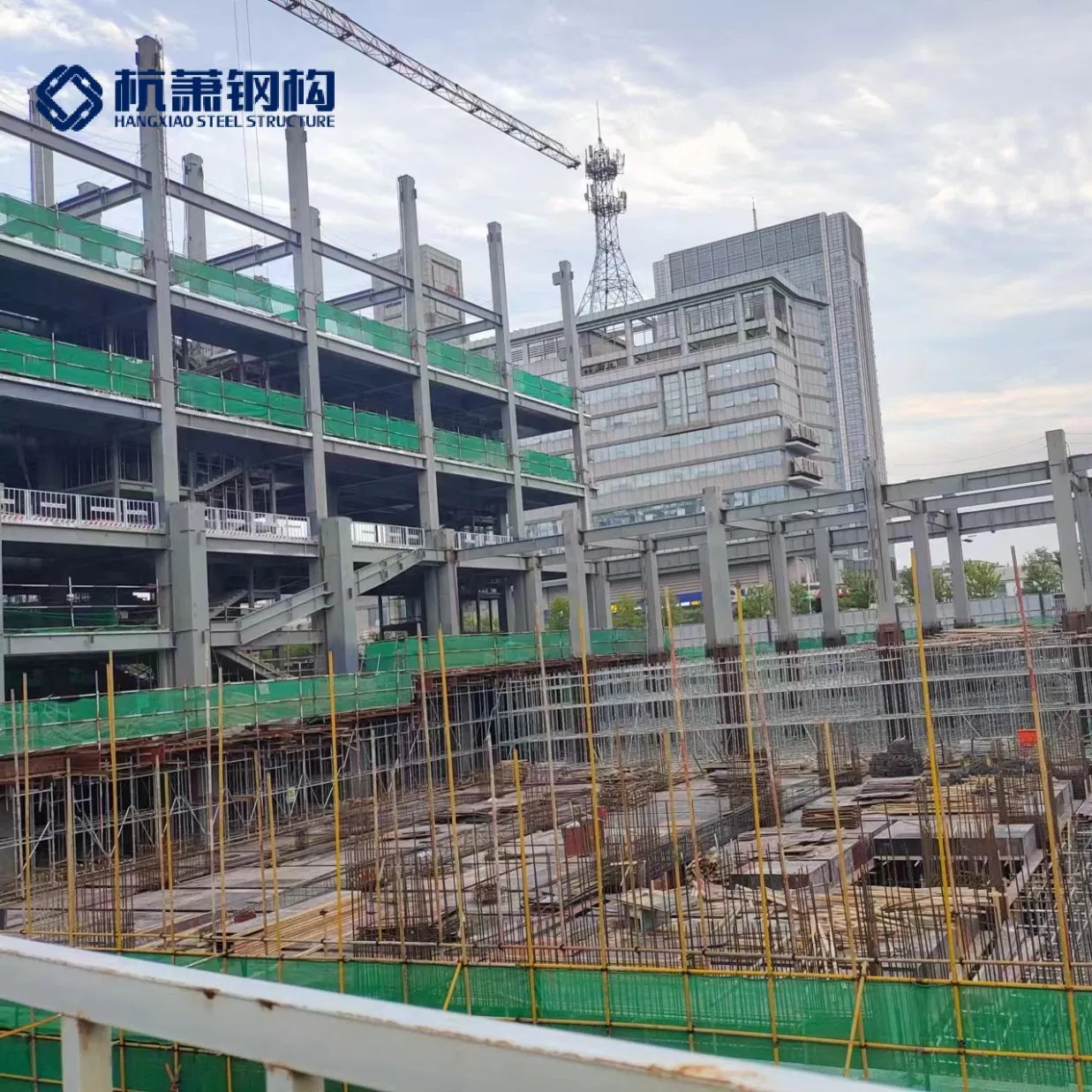
Food Processing Plant Framework
Steel Structure Connection
Workshop Construction
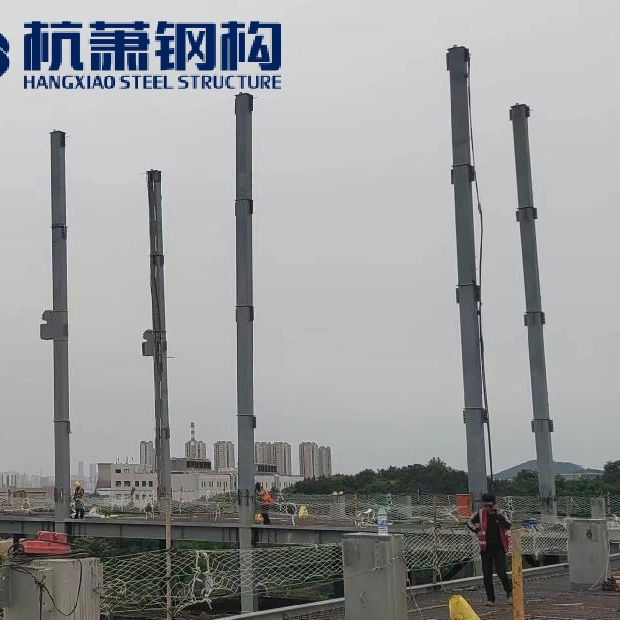
Structural Column Support
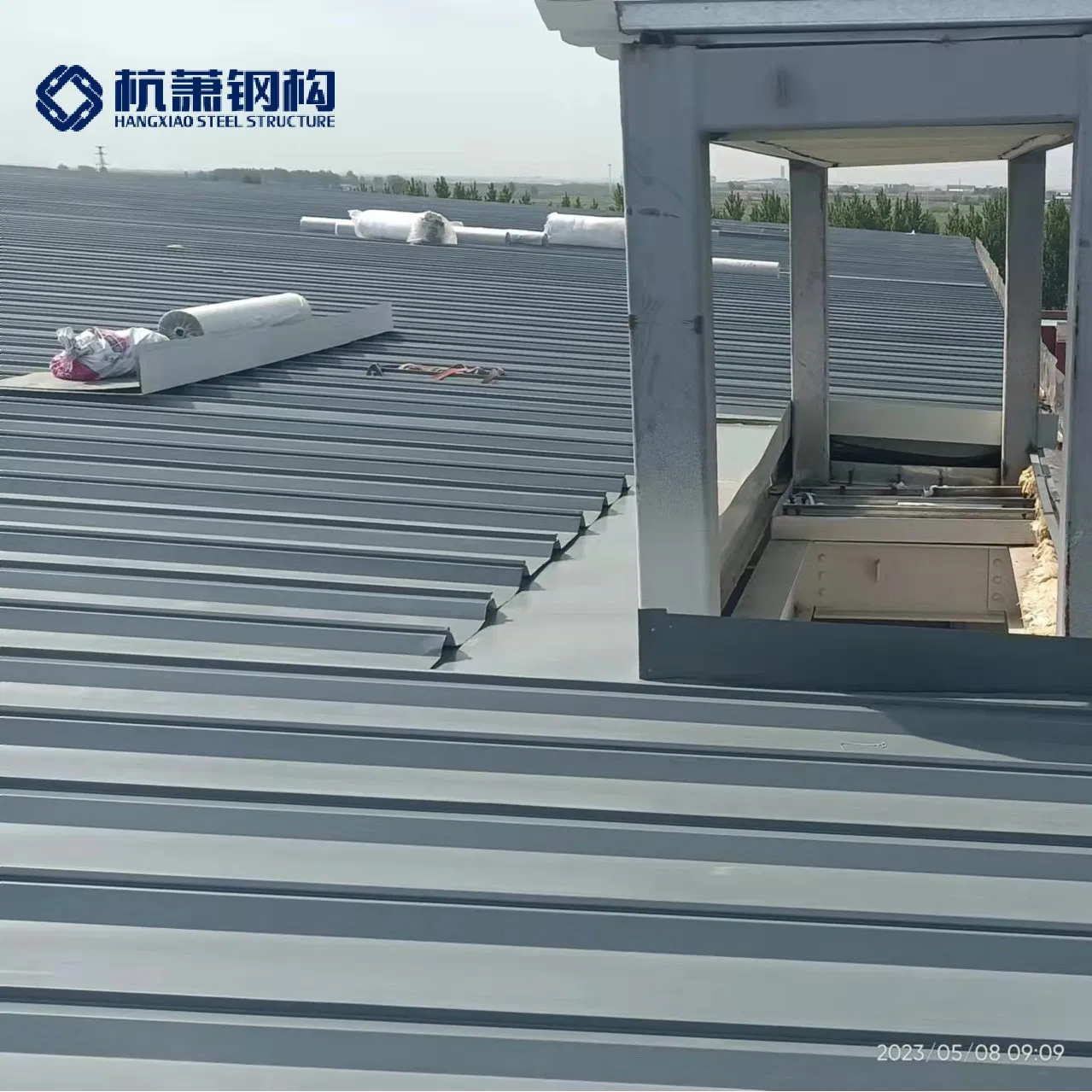
Roof Purlin Grid Layout
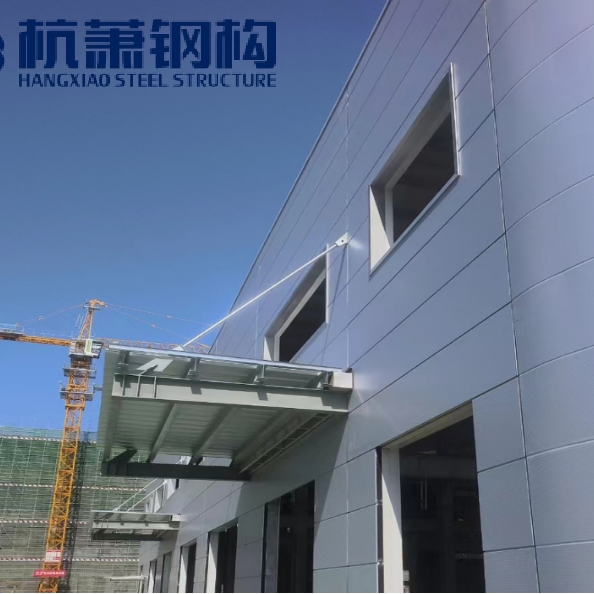
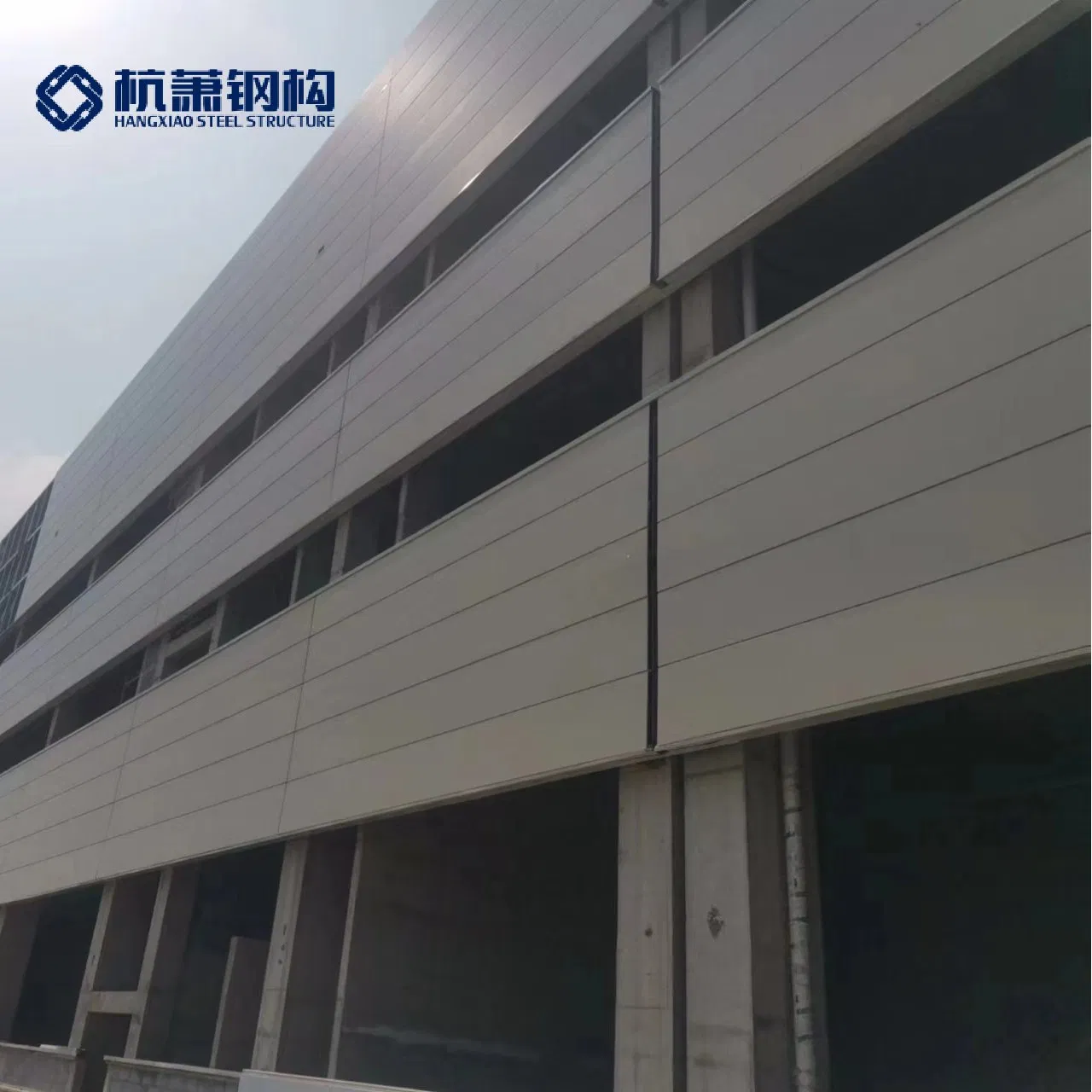
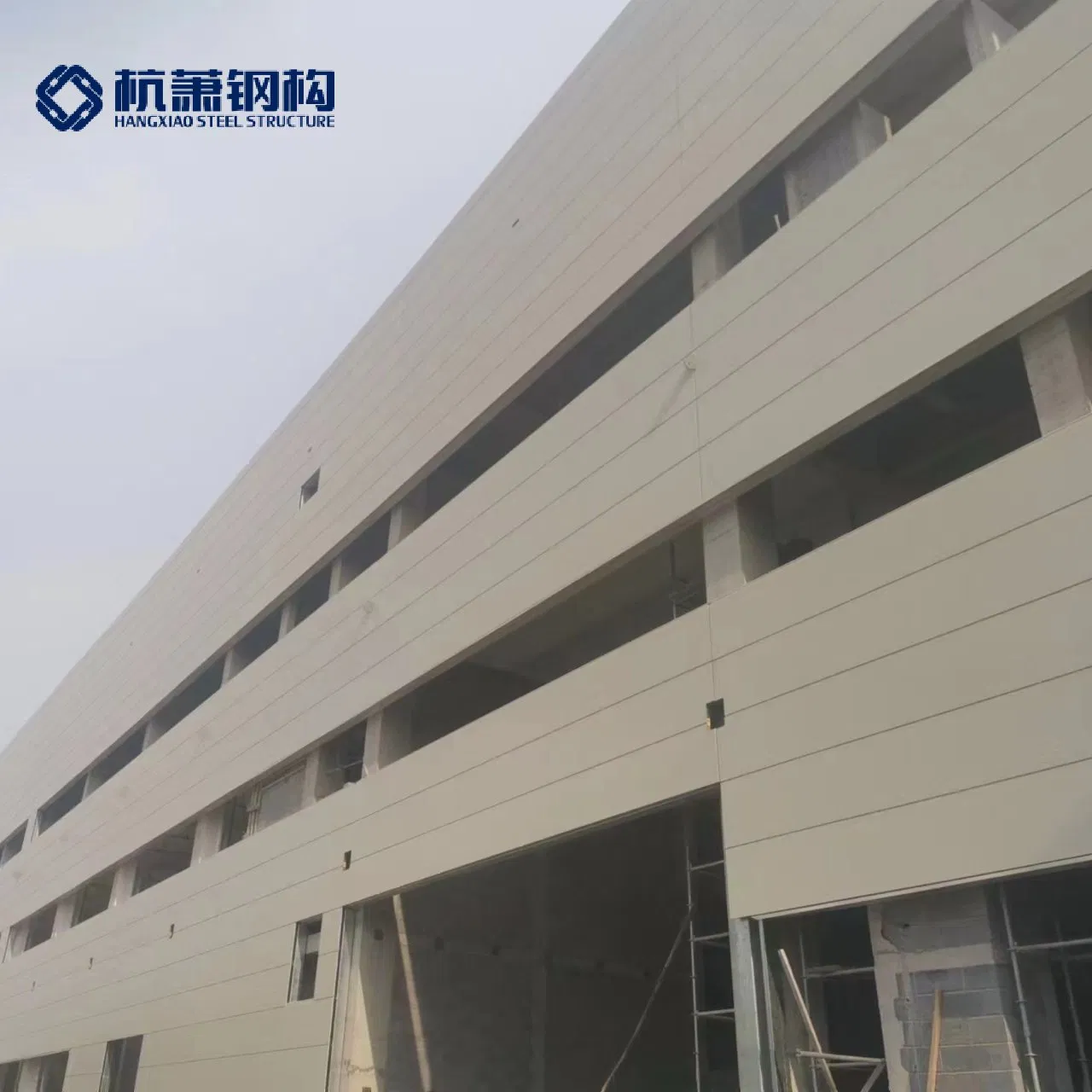
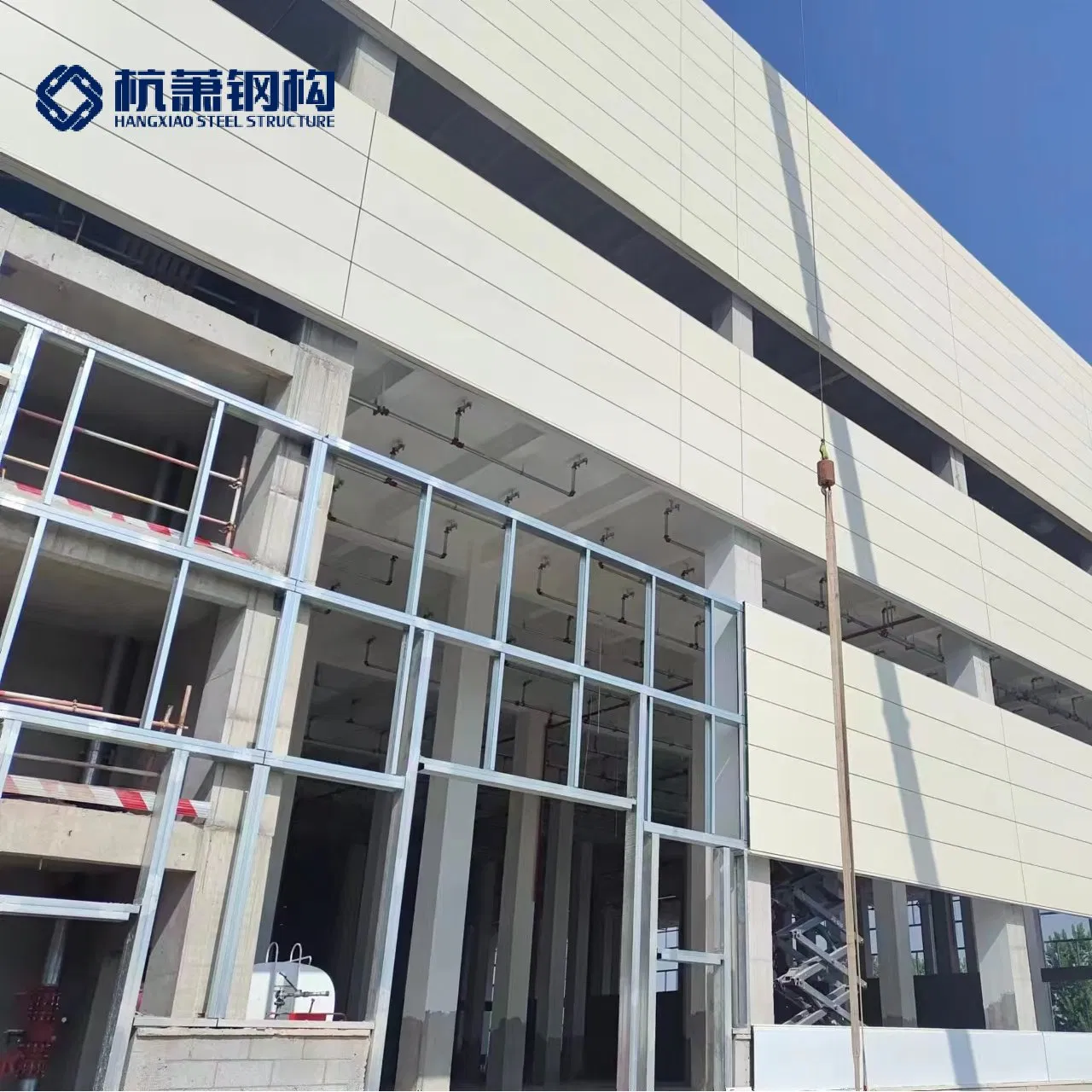
Wall Cladding Installation
Steel Framing Profiles
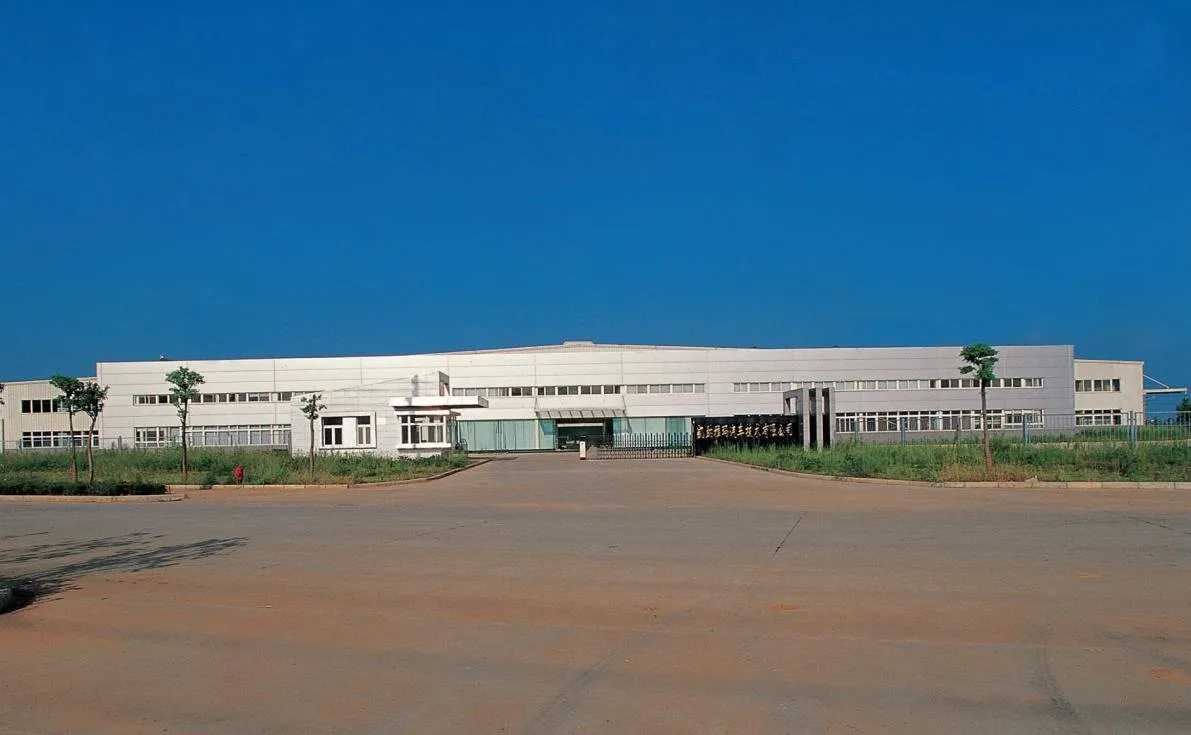
Pre-Engineered Building Final Stage

Packaging & Delivery

Package Standards
Package Size 100.00cm * 100.00cm * 100.00cm
Package Gross Weight 100.000kg
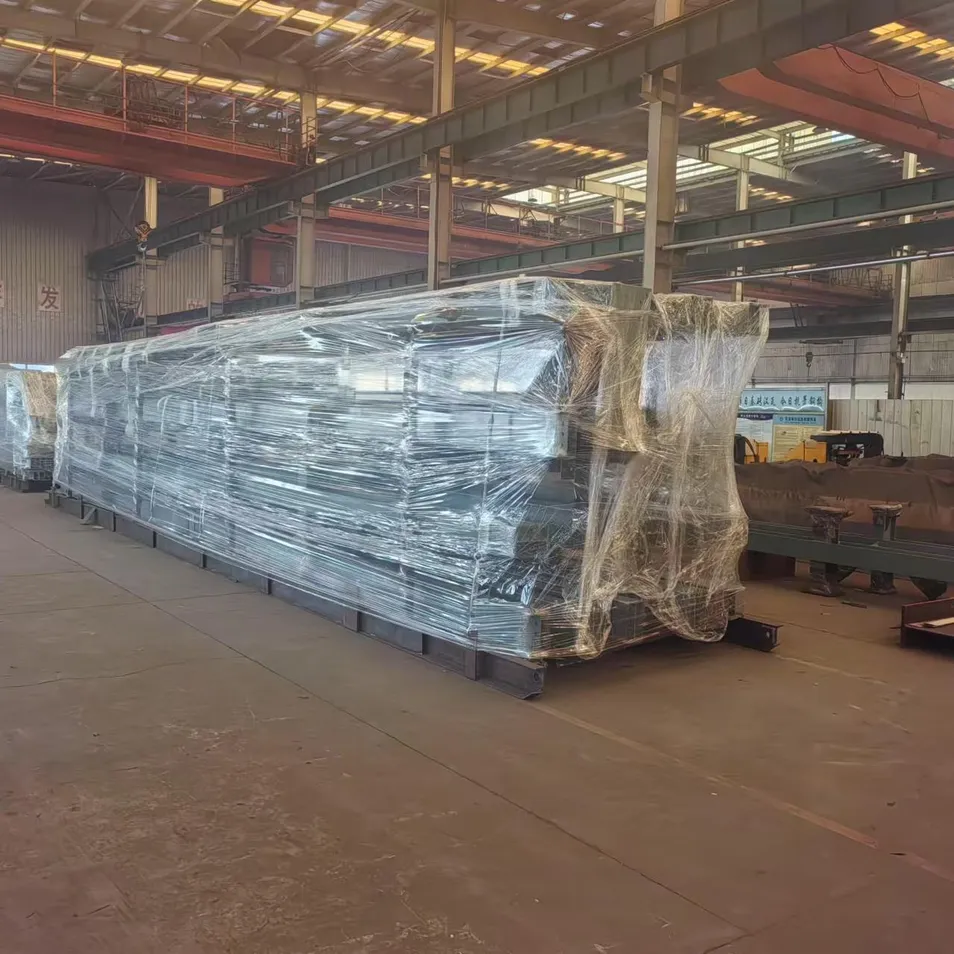
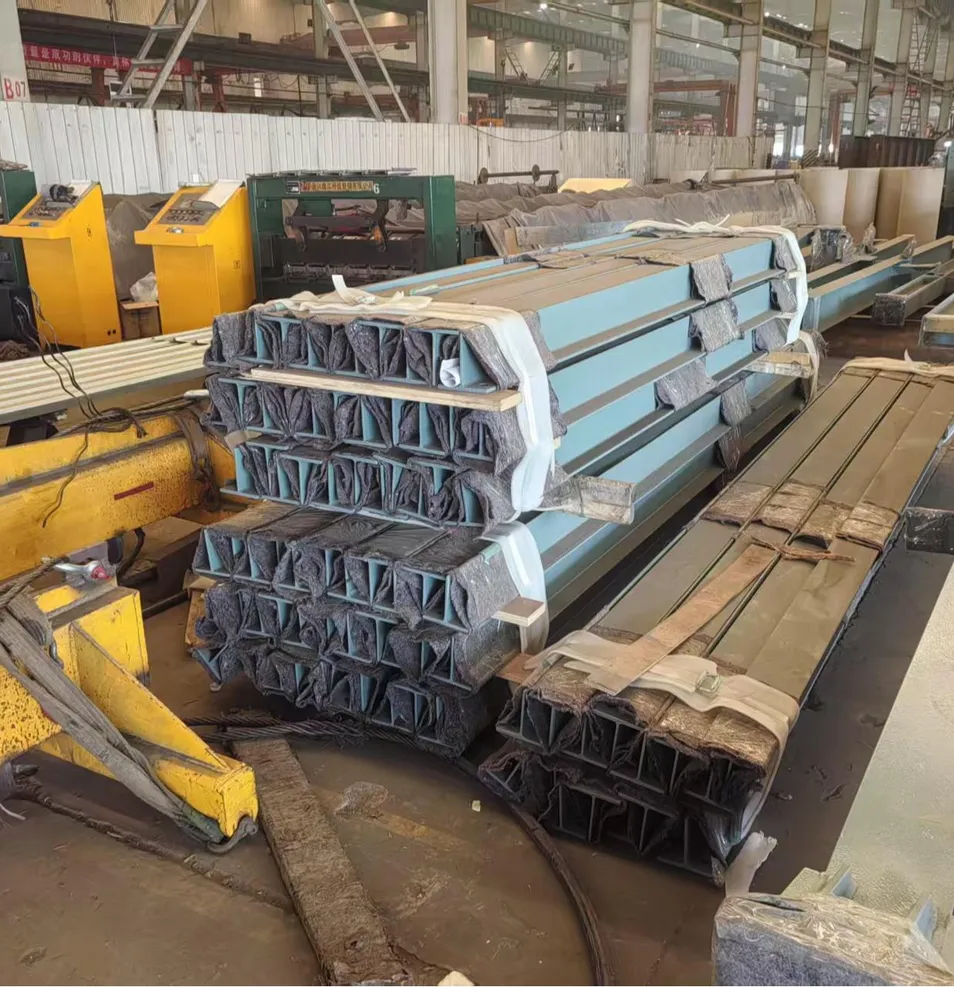
Packaged Steel Components
Steel Structure Loading
Secure Container Shipping

Packaging Guidelines for Steel Structures

Steel structure packaging is tailored to the type, dimensions, transportation method, and environmental conditions to ensure protection against damage, rust, and security during transit and storage. Below is the professional packaging standard:

1. Pre-Packaging Preparations
  • Clean steel surfaces to remove oil, welding slag, and burrs.
  • Apply rust-preventive oil or temporary anti-rust agents (e.g., VCI vapor corrosion inhibitor film) on welds and cut edges.
  • Group components by type, size, and installation sequence with clear matching markings.
2. Packaging Material Selection
  • Anti-rust paper/film: For small or precision parts requiring moisture/oxidation resistance.
  • Plastic sheeting (PE film): Short-term moisture protection for sea freight.
  • Wooden crates/frames: High impact resistance for bolts, connectors, and fragile parts.
  • Steel/strapping bands: Secure fastening for large H-beams, steel pipes, and long profiles.
  • Corner protectors: Prevents edge deformation and damage during heavy lifting.
3. Packaging Methods
  • Large Steel Structures (Beams & Columns): Bundled side-by-side using steel or nylon strapping (max. 3 tons per bundle). Rubber or EPE foam padding is placed at contact points to prevent friction and scratches. For components over 12m, temporary steel channel supports are utilized to prevent bending.
  • Small Components (Bolts & Connectors): Packed in sealed wooden crates with foam dividers. For sea freight, silica gel desiccants are integrated (≥20g/m³).
  • Thin Steel Plates / Color-Coated Plates: Stacked vertically, secured with strapping, and loaded on wooden pallets. Protected with scratch-resistant PE film and robust edge guards.

Industrial Manufacturing Capabilities

Since inception in 1985, the fabrication team has consistently been at the forefront of innovation in the steel structure industry. Operating as an industry pioneer, the technical experts have co-edited over 100 state industry standards and specifications, secured more than 600 national patents, and achieved numerous 'firsts' in structural architecture. These milestones include constructing early steel structure buildings, establishing large-scale housing complexes, and spearheading advanced strategic cooperation models. We support the development of industrialization bases for steel structure assembly and green building designs.
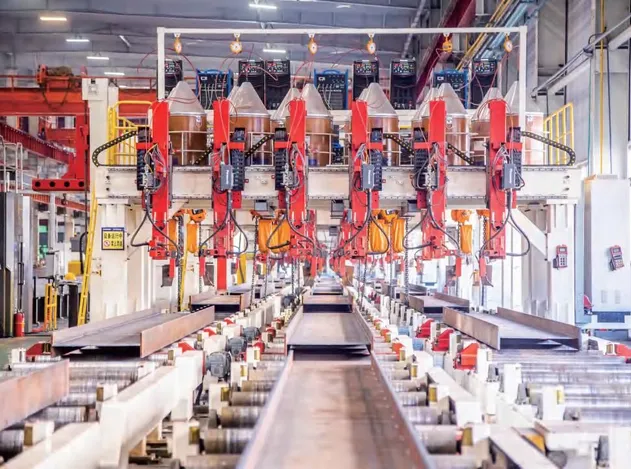
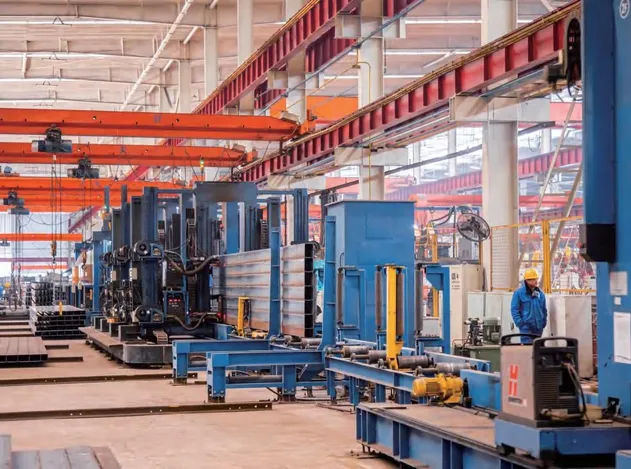
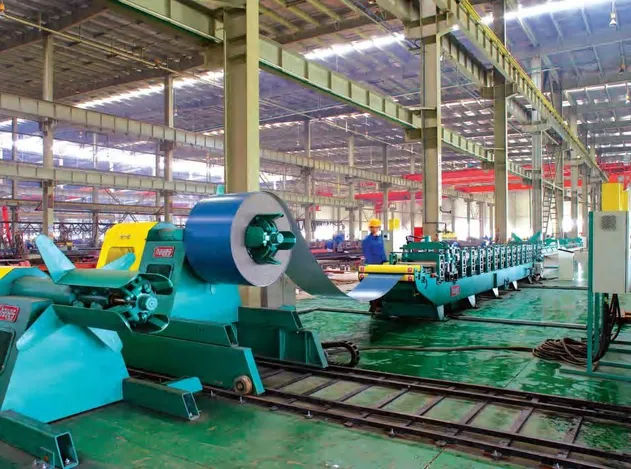
Manufacturing Line
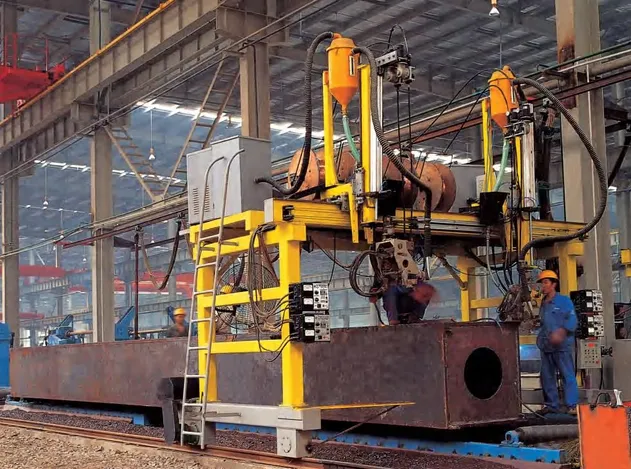
Production Process
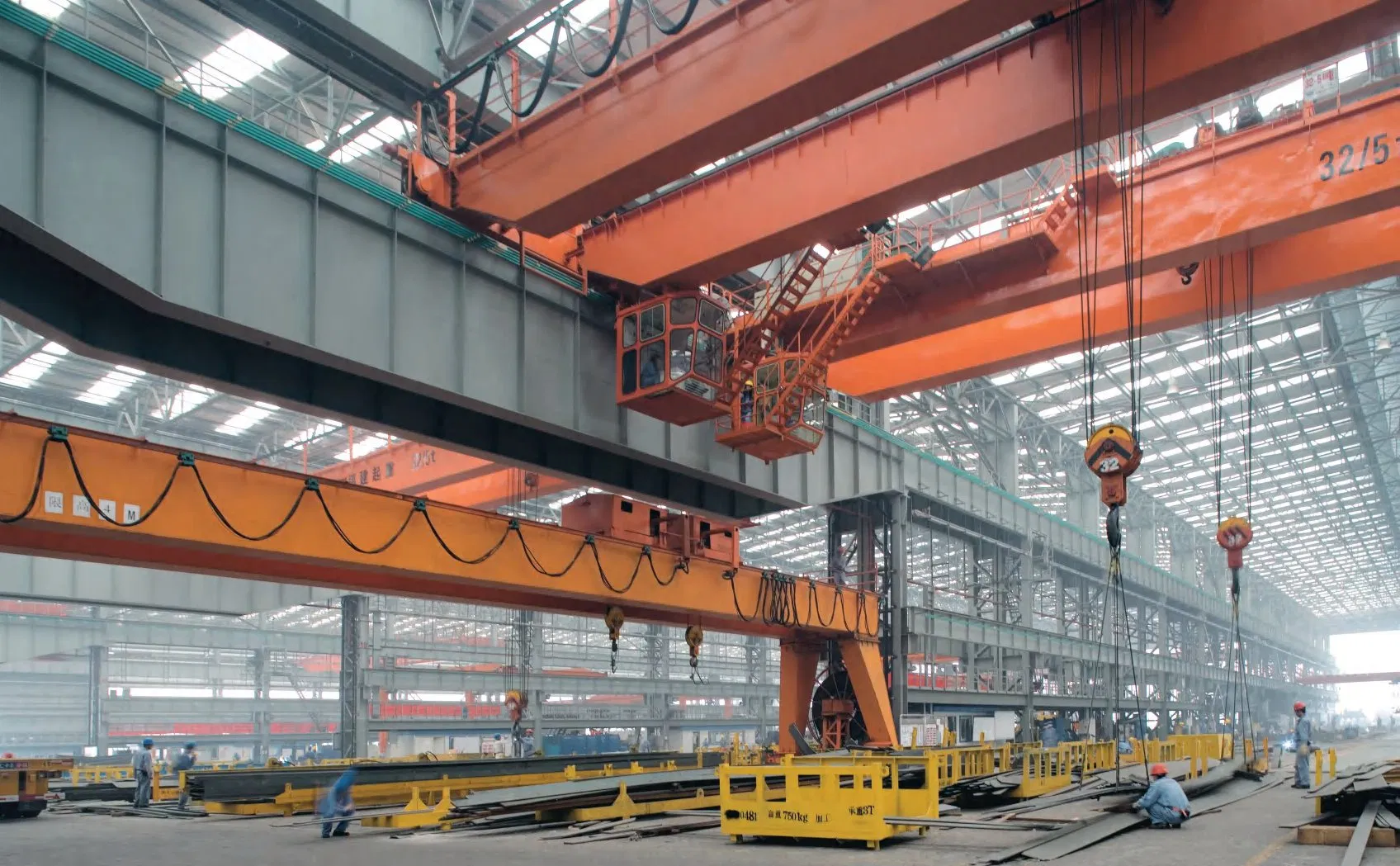
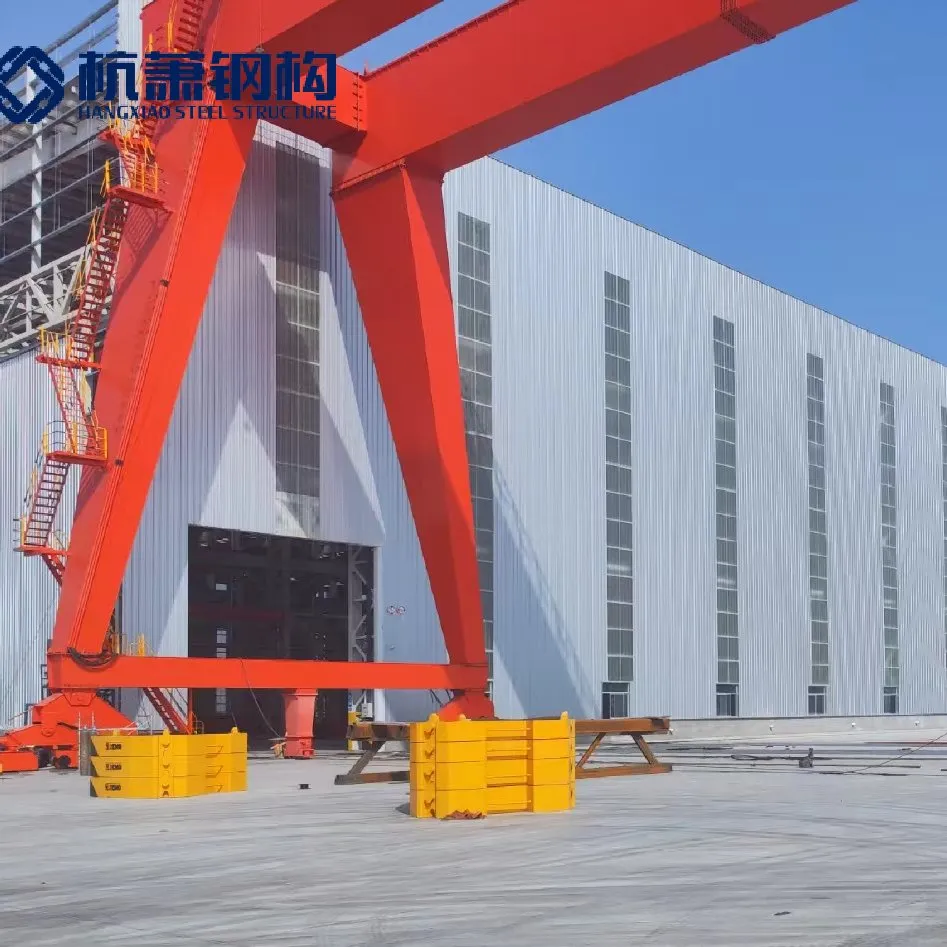
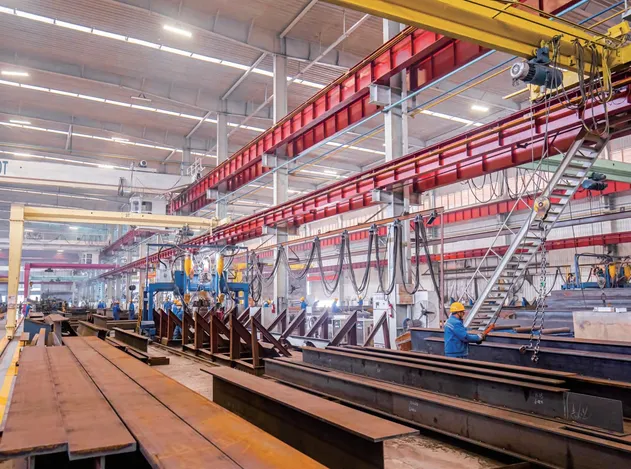
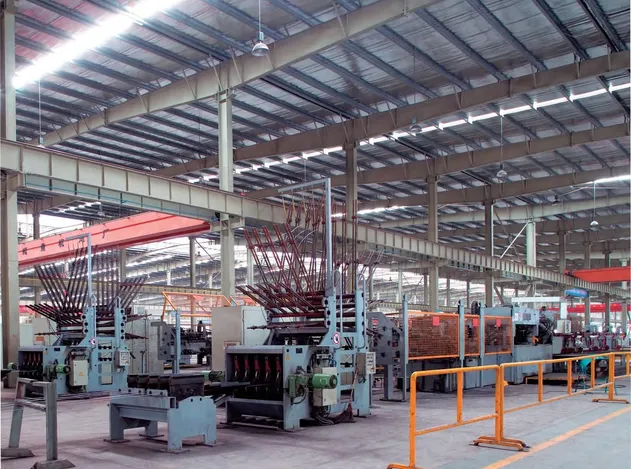
Steel Fabrication Plant
Standard Testing Area
Material Warehouse
Shipping Yard

Frequently Asked Questions

1. Is your business a factory or a trading company?
We are a direct factory, which allows us to offer you the best, most competitive direct manufacturer pricing for steel structures.
2. What quality assurance and quality control methods do you provide?
We conduct strict self-inspections at every single stage of the design, processing, and fabrication workflows. Third-party independent inspections are also fully accepted.
3. Do you provide guidance for on-site installation of overseas steel buildings?
Yes, we can deploy professional technical engineers overseas to guide and supervise on-site installations. Our engineers have successfully completed projects in Iraq, Dubai, South Africa, Algeria, Ghana, and more.
4. Which global markets do you primarily serve?
Our major markets span across Europe, Africa, the Middle East, Southeast Asia, Australia, New Zealand, South America, and various other regions globally.
5. What steel grades and design software standards are utilized in production?
We process steel grades Q235B, Q345B, and Q355B under standard protocols. Our design and drafting support includes structural engineering software such as Auto-CAD, PKPM, and Tekla.
6. What protective measures are implemented in packaging to prevent transport rust?
We clean all surfaces to remove slag, apply temporary anti-rust oils or VCI vapor corrosion inhibitor films on vulnerable cut edges, and wrap components securely in protective PE film alongside specialized silica desiccants for sea freight protection.

Related Products